Shell Shock: Hong Kong’s Role in the Turtle Trade Crisis
June 22, 2026
Hong Kong Wildlife Trade Strives for Sustainability: Implementing CITES
February 10, 2026

Our response
Co-investing with others, ADMCF and partners have formed a coalition of Hong Kong’s leading biodiversity academics and experts, the Hong Kong Biodiversity Expert Group (HKBEG). This initiative aims to foster an inclusive process that contributes to the government’s BSAP 2.0 efforts and highlights important issues that may otherwise be overlooked. ADMCF is a member of the HKBEG Steering Committee and led the development of recommendations on wildlife trade. The project is entering a second phase where HKBEG will respond to the draft BSAP 2.0 issued by the government.
















Our response
ADMCF is supporting the Society for the Protection of Underground Networks (SPUN) and field scientists in Indonesia to study and document mycorrhizal fungi species. Soil samples are being collected from various ecosystems in South Sulawesi to assess the impact of land use changes on mycorrhizal diversity, with DNA extracted for analysis to expand the global knowledge base.
The applications of this data are twofold: first, to enhance reforestation outcomes by identifying suitable mycorrhizal fungi species, and second, to inform policy initiatives in collaboration with local partners. Demonstrating that Indonesia is a biodiversity hotspot for mycorrhizal fungi is anticipated to attract attention and resources to its essential role in ecosystem conservation, ultimately encouraging policy changes to protect these vital organisms.
2011
Our response
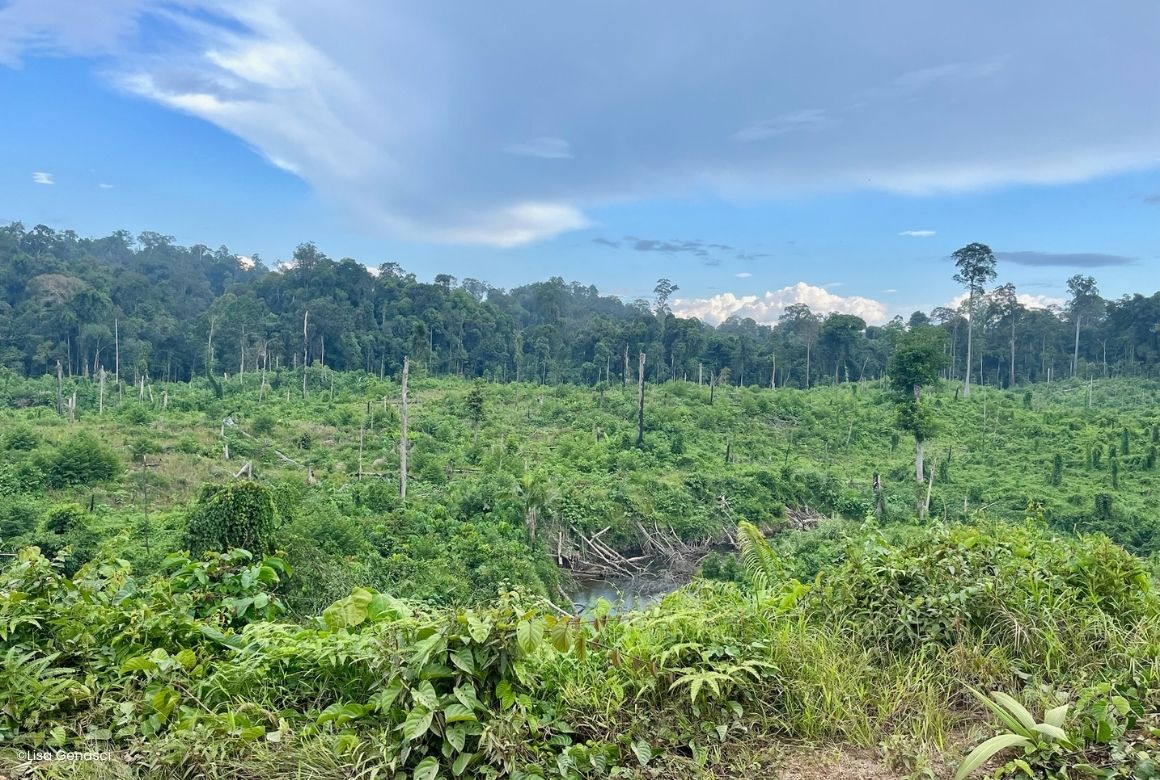
In response to these threats, WildCru and its partner organisation OUTROP have been conducting research focused on the impact of illegal logging, ecosystem drainage, and ecological monitoring to support habitat management. The research aims to strengthen the evidence base for biodiversity conservation in line with the objectives of the Convention on Biodiversity and CITES. It also works to improve the capacity of Indonesian organizations, particularly National Park staff, by introducing scientific techniques, equipment, and experience. In 2011, ADMCF provided crucial funding to fill a 12-month gap, enabling WildCru to continue this important research.
2010-2011
Our response
Since 2000, Cambridge University has been organising the Student Conference on Conservation Science (SCCS). The student conference helps young conservation scientists gain experience, learn new ideas and make contacts that will be valuable for their future careers.
In 2010, for the first time a Cambridge University SCCS was held in Asia – in Bangalore, India. The conference was then repeated in 2011. In addition to the University of Cambridge, this was put together by the National Centre for Biological Sciences, Bangalore and the Tropical Biology Association. Overall, more than 500 students attended the conferences, which facilitated interaction, exchange of ideas and methods among young scientists and the building of contacts and knowledge among young researchers in all aspects of conservation science.
In 2010 and 2011, ADMCF funded these first two Cambridge University SCCSs in Asia.
2007-2016
Our response
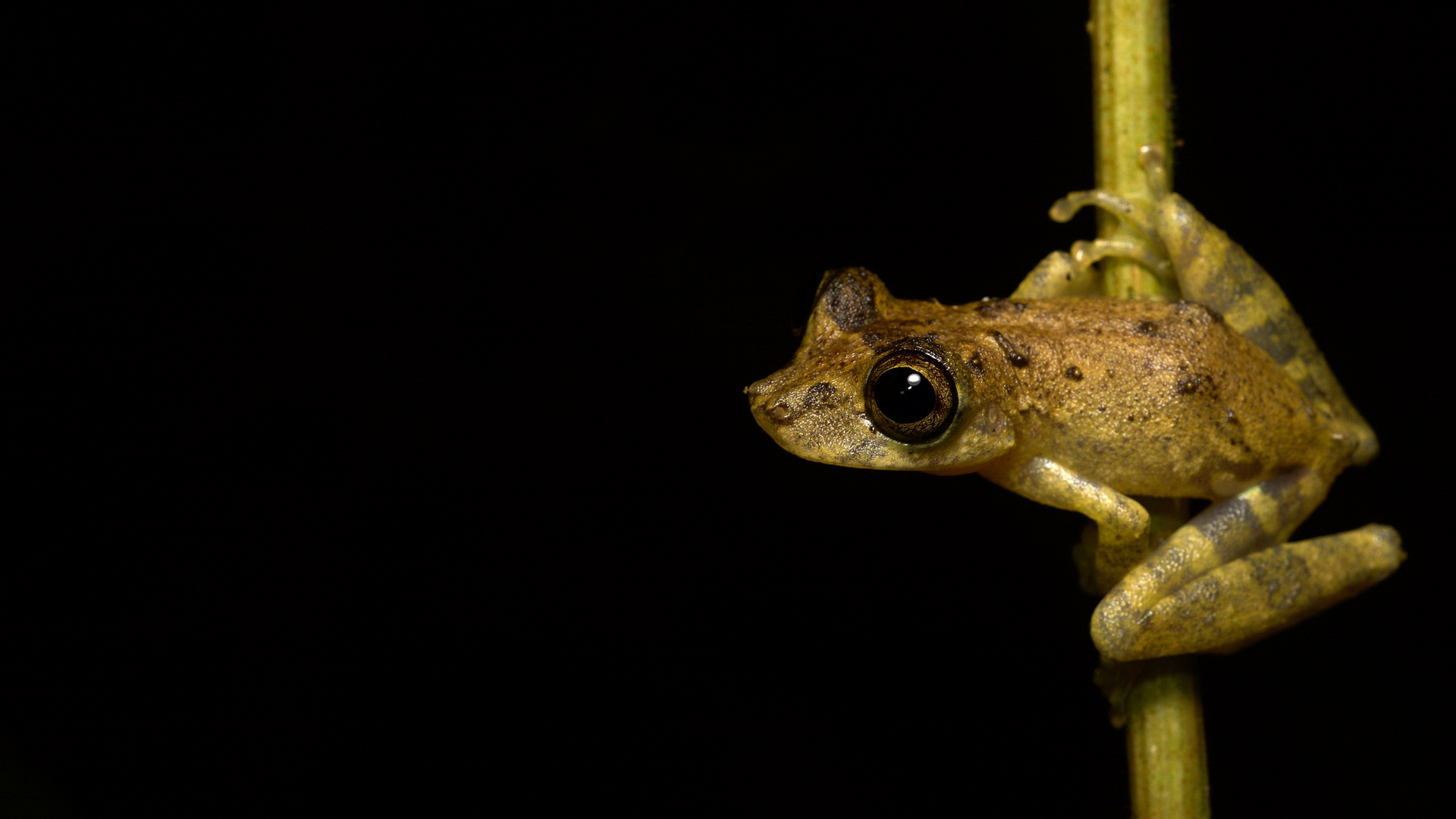
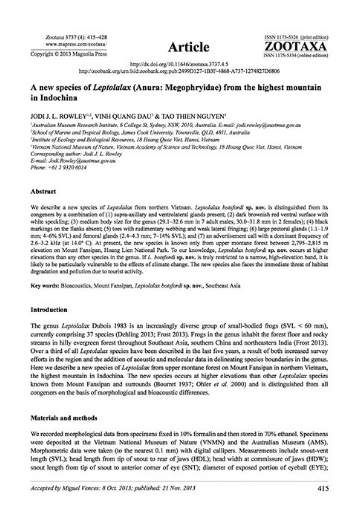
From 2008 until 2016, ADMCF sponsored leading biologist and conservationist Jodi Rowley to research, document and inform policy on the amphibian populations in Cambodia, Vietnam, Laos and Indonesia.
Most recently, working for the Australian Museum, Dr. Jodi Rowley has been mapping local amphibian populations primarily in Cambodia and Vietnam to improve understanding of their biology and to train local early-career conservationists in amphibian biology and conservation.
Jodi’s work is fundamental to future conservation efforts. Specifically, she integrates ecological, behavioural, bio-acoustic, molecular and morphological data to uncover and document amphibian biodiversity and inform conservation decisions. The research is to assist in detecting any declines in amphibian populations by using amphibians as ‘bio-indicators’ (canaries in the coal mine) as well as enabling monitoring of general ecosystem health in the region.
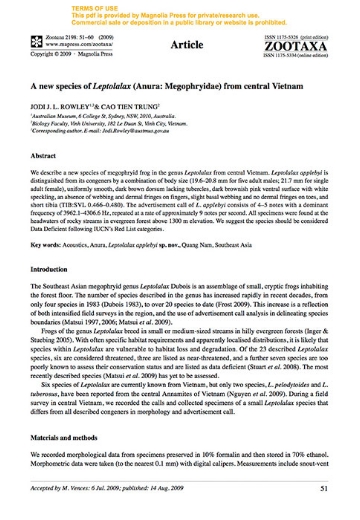
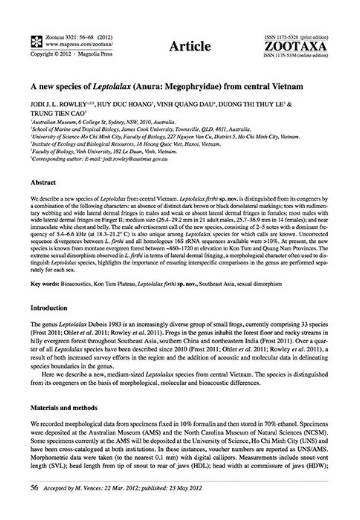
Over the eight years ADMCF provided support, Jodi discovered and described 21 new frog species from Vietnam, Cambodia and Laos, including three named after the ADM Capital Partners, Robert Appleby, Denys Firth and Chris Botsford. Leptolalax applebyi, Leptolalax firthi and Leptolalax botsfordi.
In 2016, Jodi was appointed to a full-time position at the Australian Museum.

2006-2008
Our response
With support from ADMCF investing partner Joe Draper, ADMCF provided FFI with two years of funding to build the Royal University of Phnom Penh Biodiversity Conservation Masters programme, which was the first of its kind in Cambodia.
ADMCF also provided three years of funding for St Peter’s College, Oxford University, enabling PhD students to teach at RUPP while doing their own research in Cambodia (including Fran Lambrick). The funding allowed the programme to apply for longer-term grant money, which came in the form of support from the Macarthur Foundation in the US and Darwin Initiative in the UK and later other major funders. The ADMCF seed funding allowed the RUPP programme significant security looking forward.



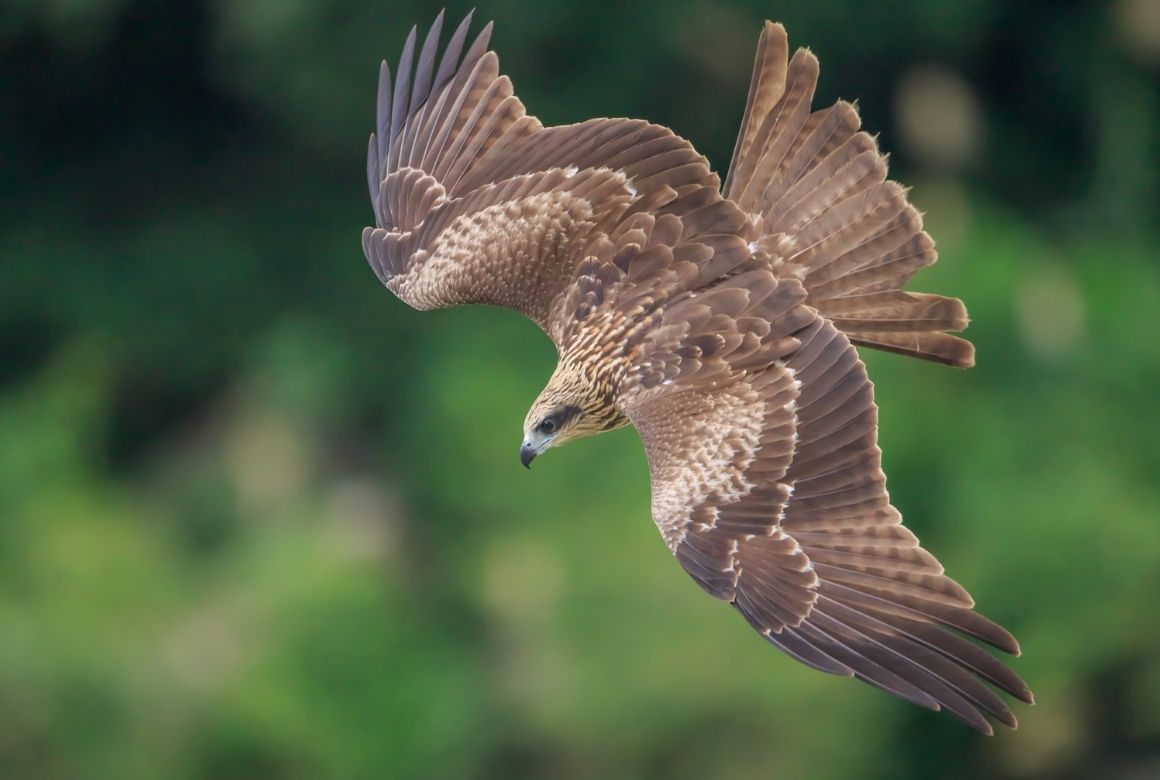
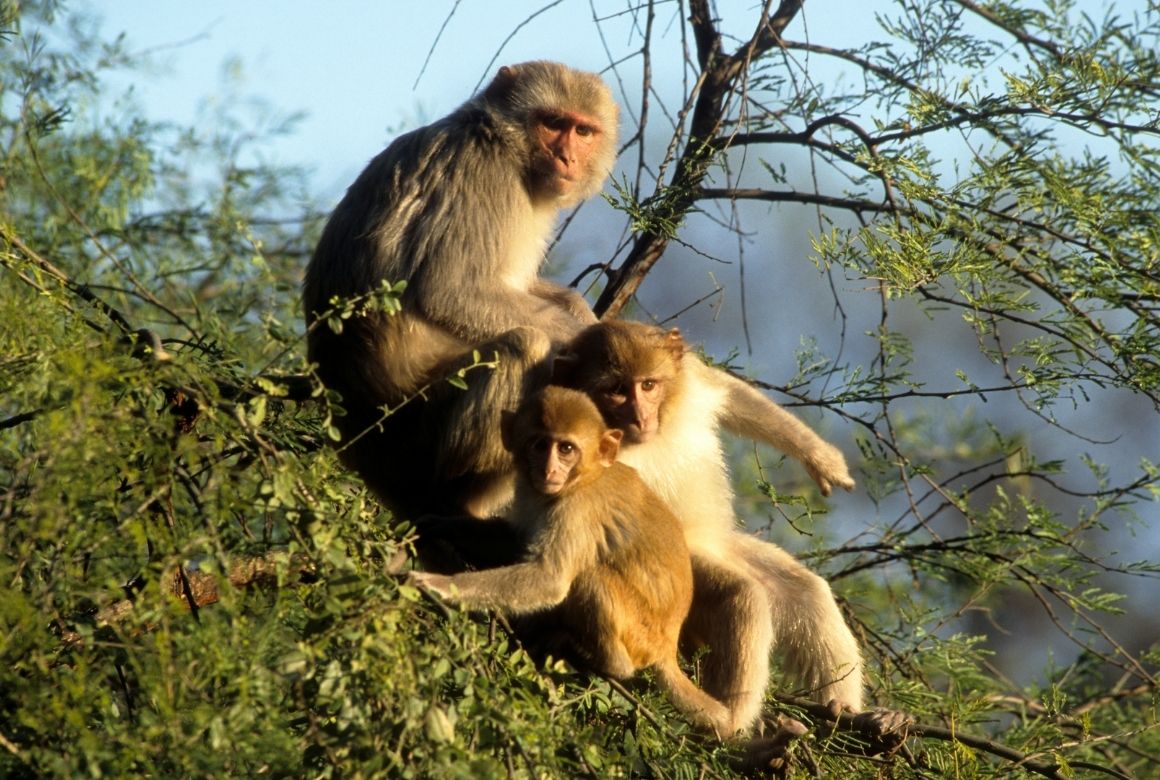
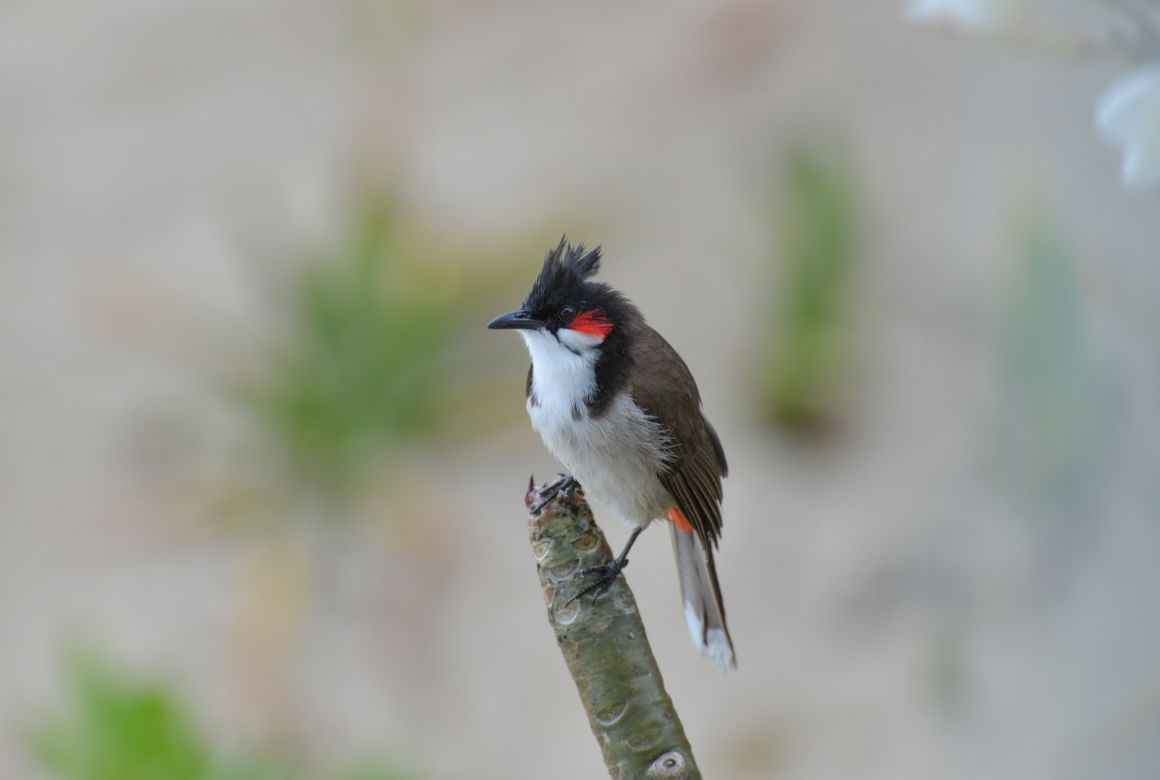
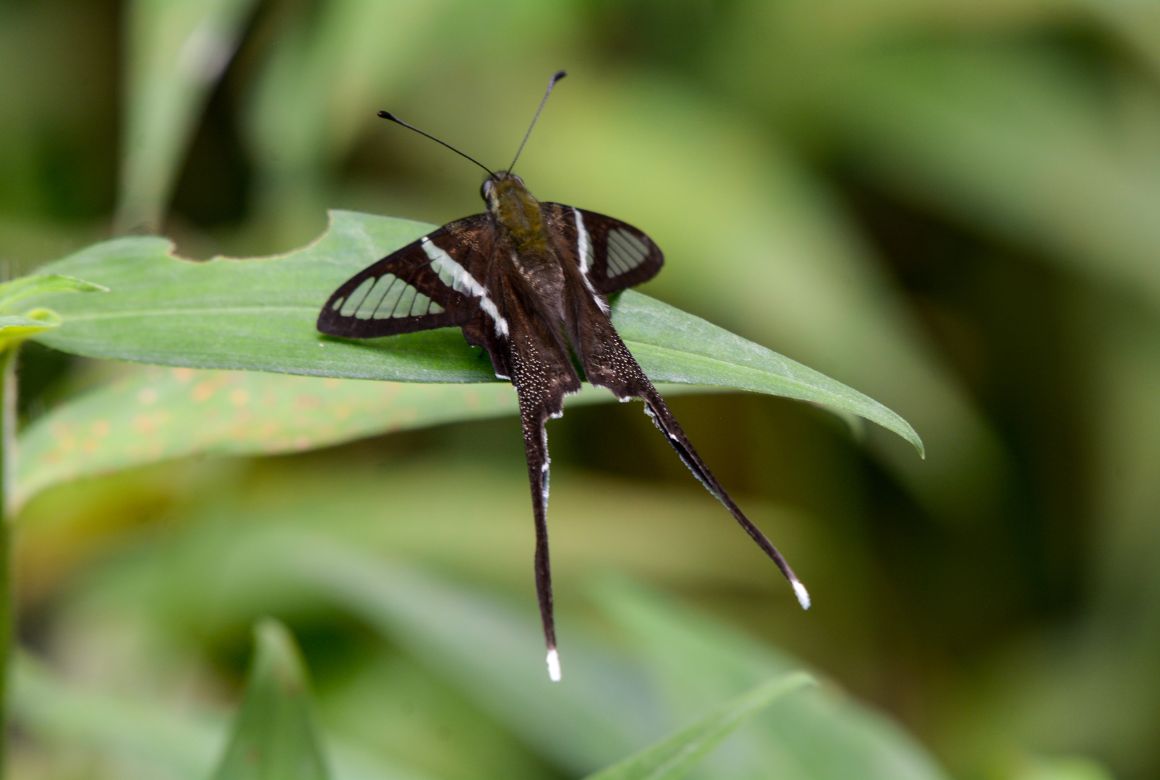
Photographers and photojournalists document the wildlife trade, wildlife crime and biodiversity loss—providing compelling images that inform and raise awareness. Browse our gallery and learn more below.