The Nature Bill is Due: A Wake-Up Call from IPBES for Asia
February 24, 2026

Our response
CWR was launched in 2011 to foster efficient and responsible use of China’s water resources by engaging the global business and investment communities in understanding and managing China’s water risk. Today, CWR is a global thought leader in unpacking and valuing complex climate and water risks so that the financial sector, corporates and governments can make better investment decisions today for water tomorrow. CWR’s groundbreaking research addresses these interconnected risks, challenging us to rethink our approach to climate and water resilience. CWR has been ADMCF’s flagship initiative since its launch.
Our response
Founded in September 2018, Hong Kong Green Finance Association (HKGFA) provides a unique platform that supports the development of green finance and sustainable investments in Hong Kong and beyond. HKGFA is widely recognised as the most dynamic, influential and active dedicated Green and Sustainable Finance Association in Asia; leveraging its 160+ Hong Kong based institutional members to collectively build capacity and advance policy dialogue in Hong Kong and beyond. HKGFA works with ADMCF and partners in capacity building to scale up Asia’s transition to net-zero. In 2025, HKGFA launched the Transition Finance Repository and Transition Training Series for sustainability practitioners to promote the adoption of credible transition plans, and to position Hong Kong as a leading transition and sustainability finance hub.
Our response
In 2019, Civic Exchange with partners World Resources Institute, ADMCF and RS Group founded HongKong2050isNow, a public policy think tank that undertakes research and engages with policy makers to ambitiously drive Hong Kong towards carbon neutrality before 2050. With support from ADMCF, Civic Exchange has begun exploring the role of climate governance in fostering a low-carbon economy, enabling innovation in clean energy, green technologies, and regulating sustainable practices. The research explores Hong Kong’s climate governance framework, assessing its alignment with international commitments such as the Paris Agreement and National Strategies. The goal is to provide actionable recommendations for Hong Kong to strengthen its climate governance and achieve carbon neutrality before 2050.
2010-2011
Our response
ADMCF filled a short-term funding gap to enable World Resources Institute (WRI) and Tsinghua University research for the first version of PROA for ammonia discharge reduction in Suzhou.
The purpose was to develop a decision-support tool for use by Lake Tai municipalities to reduce nutrient and ammonia discharges. WRI and Tsinghua University, working in partnership, have developed nitrogen, phosphorus and ammonia abatement cost curves that can help the cities of Suzhou, Wuxi and Changzhou identify the most cost-effective approaches for reducing loads of these pollutants in Lake Tai.
2009-2010
Our response
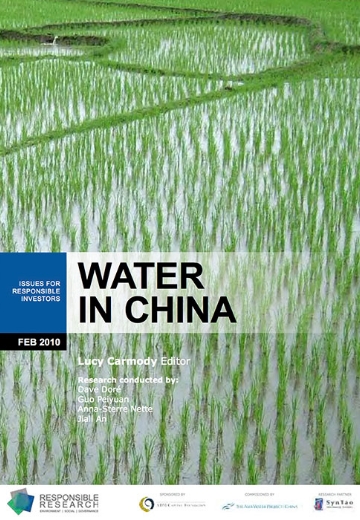
In 2009, ADMCF commissioned Responsible Research to undertake research on water in China as an issue for responsible investors.
The research was timed to coincide with the launch of Asia Water Project, now CWR, with the objective of providing a comprehensive account of investor risks associated with China’s water crisis. The report focused on the rapidly developing importance of water as a material factor in investment analysis.
2009
Our response
Clean Air Network (CAN) is an independent NGO, founded in 2009. It harnesses public opinion to support the Hong Kong Government’s efforts to clean up air pollution in Hong Kong. CAN has since become the #1 information resource about air pollution, health and policy in Hong Kong. Not just for the public, but also for associations such as the Senior Care Health & Safety Association and the Hong Kong Asthma Society, whose members are directly affected by air pollution.
ADMCF was instrumental in setting up CAN along with Civic Exchange and a number of concerned citizens. In CAN’s early years, ADMCF provided much needed seed funding as well as the strategic support and fundraising assistance.
2006-2010
Our response
In 2006, the Institute of Public and Environmental Affairs (IPE), a Beijing-based non-government think tank, launched a water pollution website to increase disclosure of water quality in China’s 300 cities. In doing so, it identified companies cited for violating water regulations. Following the success of its 2006 water pollution website, ADMCF and WWF HK supported IPE in launching its air pollution website to increase disclosure of air quality in China’s cities in 2007.
In 2008, to build on the success of the websites and taking advantage of the changing policy landscape, IPE, with support from ADMCF and the Rockefeller Brothers Fund, initiated the Green Choice Alliance for Responsible Supply Chain Management Programme (GCA). GCA is a platform for consumers, civil society, and industries to promote responsible manufacturing processes with low public health and environmental impacts, specifically relating to water and air issues. GCA works to curb environmental pollution in China’s manufacturing hubs by integrating transparency and stakeholder participation into existing supply chain management systems. GCA member corporations use IPE’s air and water pollution mapping websites and their government-sourced lists of violators to screen supply chains. If a supplier is found to be on the violator’s list, it is encouraged to undergo a third party audit with the participation of a specifically trained local NGO, to ensure transparency and credibility of the process.
Ma Jun, director of the Institute of Public and Environmental Affairs (IPE) continues to be one of the most effective environmental advocates in China.
ADMCF’s role has been to contribute to strengthening IPE’s capacity in project management, campaign strategy development, networking and partnership building, financial management and strategic planning. ADMCF has worked closely with IPE’s staff, both at the IPE office in Beijing and at the ADMCF office in Hong Kong Special Administrative Region of China (“Hong Kong”), and was instrumental in developing an informal network of brands for IPE. ADMCF continues to support IPE through its CWR initiative.
2006
Our response
ADMCF supported Civic Exchange and its efforts to improve local air quality starting in 2006. ADMCF funds supported a range of targeted air quality-related research and engagement projects.
Civic Exchange conducted local and regional research on topics such as emissions inventories, health impact assessments, health risk communication, international practices, regional air quality management models and emission reduction strategies. It regularly engaged with key stakeholders, including the business sector and university partners, to exchange knowledge, advance policy discussions and plan further actions.
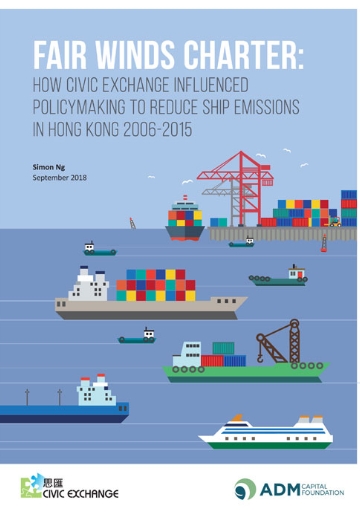
Emissions from ships were the largest source of air pollutants in Hong Kong’s Special Administrative Region. To reduce these emissions, vessels trading within the Pearl River Delta Domestic Emission Control Areas have been required since January 2019 to run on low-sulphur fuel with a sulphur content not exceeding 0.5 percent.
This policy change followed the successful implementation of the Fair Winds Charter, the first voluntary corporate scheme initiated by Civic Exchange and the shipping industry to reduce emissions by requiring ocean-going vessels to switch to low-sulphur fuel while at berth.
2007-2008
Our response
ADMCF with funding partner Oliver Cheah provided seven China fellowships to Center for Legal Assistance to Pollution Victims (CLAPV) lawyers in 2007 and 2008. CLAPV works on important environmental cases in China.
The CLAPV fellows worked with ELAW staff lawyers and scientists in the United States on cases being prepared to appeal to China’s Supreme Court. ELAW aims to connect lawyers from 30 different countries, providing training and access to scientists who can then aid the fellow in their environmental cases at home.
2013-2022
Our response
In 2013, SupportHK, an initiative of the ADMCF, was launched to address Hong Kong’s environmental challenges by creating the city’s first dedicated environmental petition platform. The platform allowed people from all walks of life to sign and start petitions, giving a collective voice to tackle pressing environmental issues. By uniting individuals to share ideas and support one another, the platform empowered citizens to drive meaningful change and work towards a better environment for all.
Since its launch in 2013 to the end of 2022, SupportHK hosted 144 petitions. Urban planning was the most popular concern representing 60% of total petitions, with ‘opposition to the East Lantau Metropolis’ obtaining the largest number of signatures (7,947).

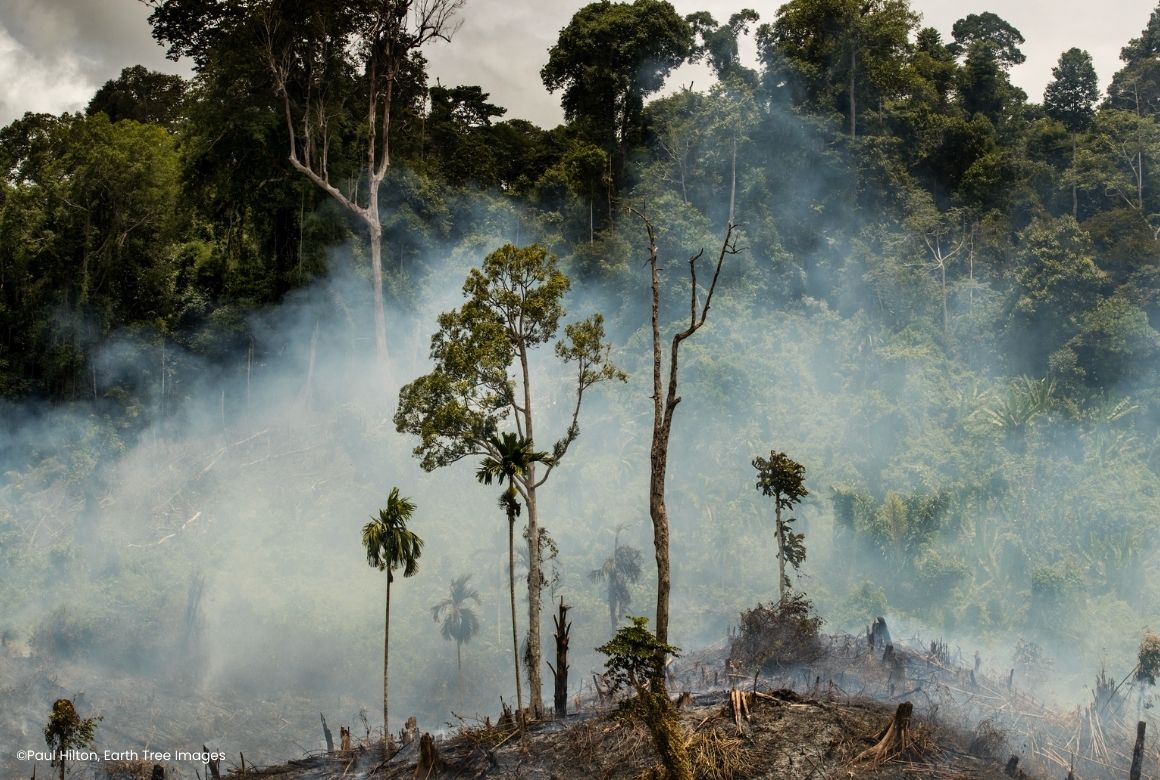
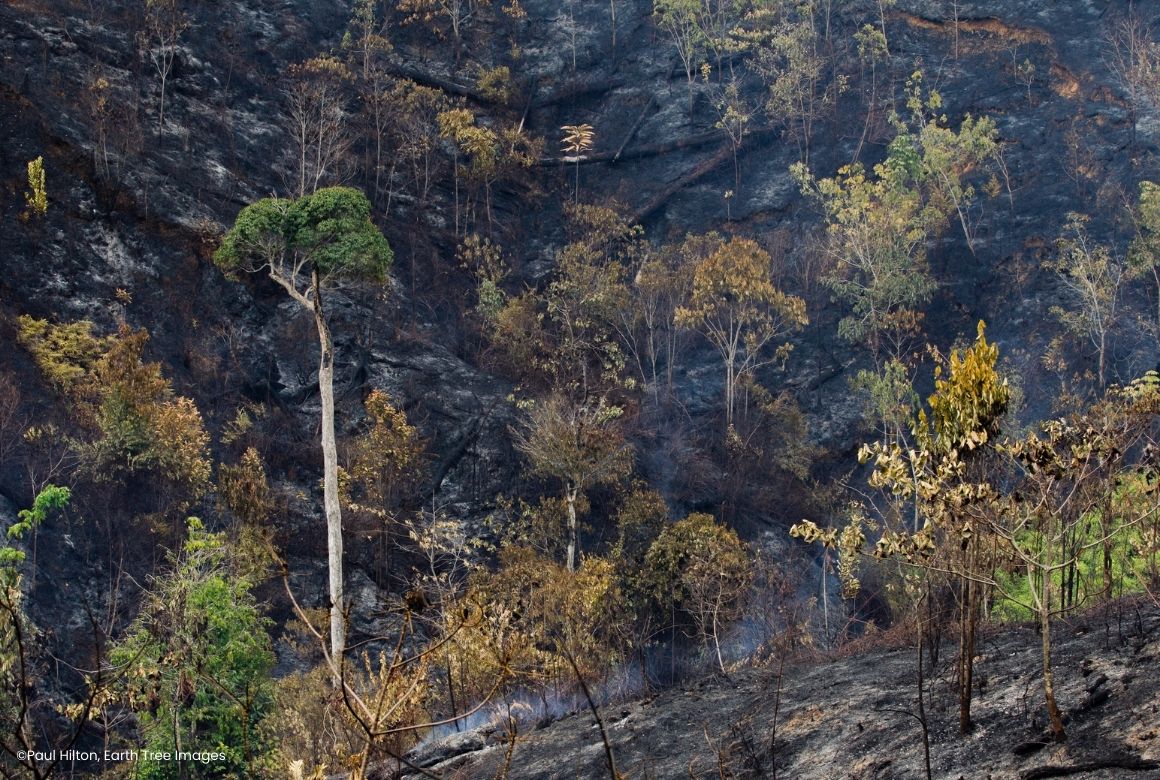
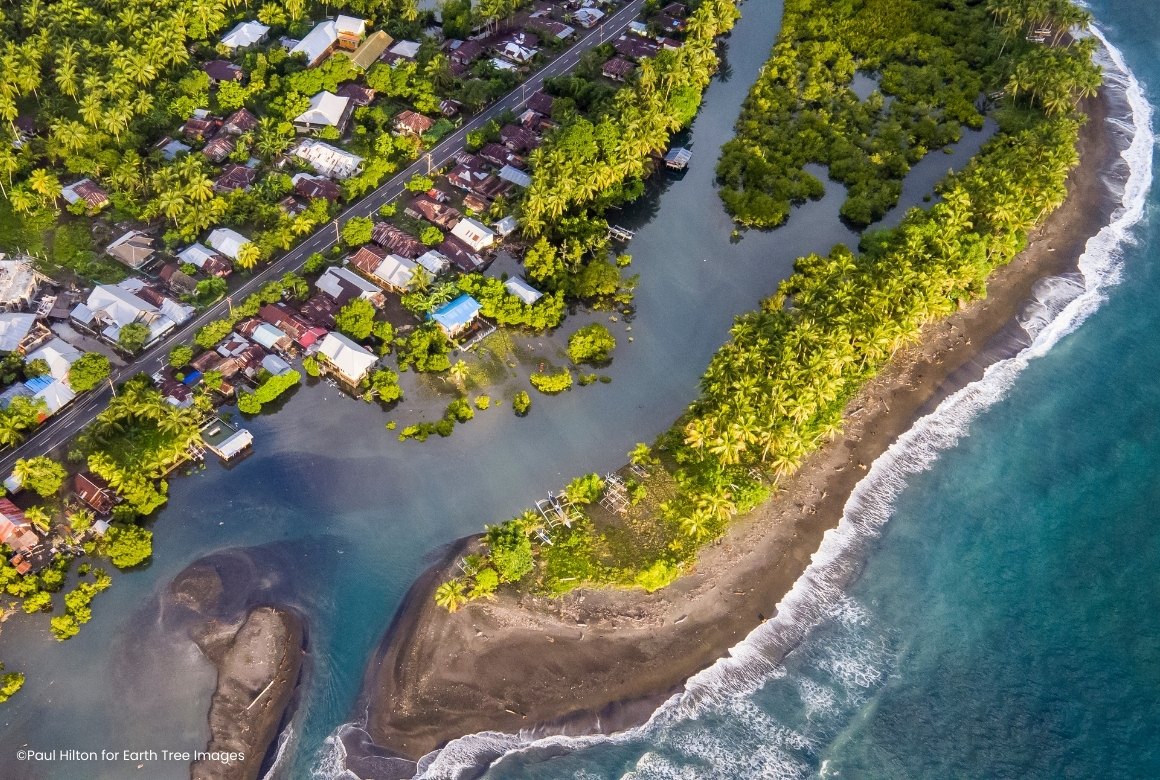
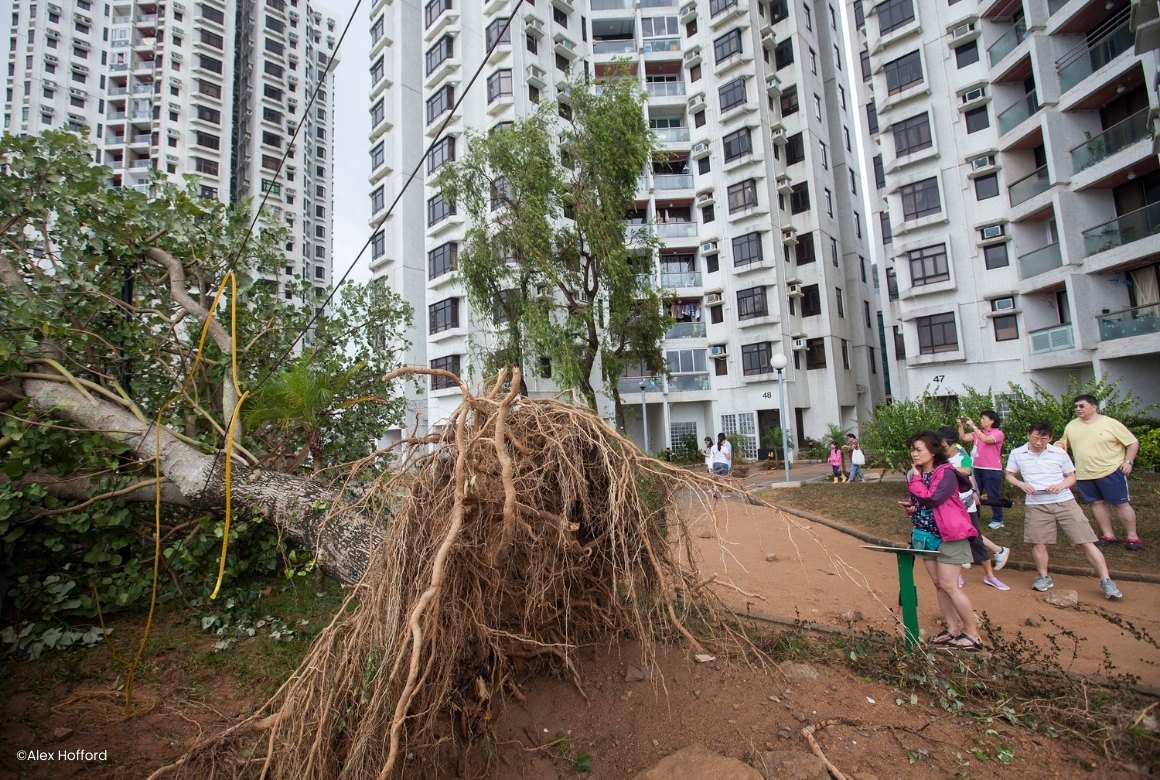
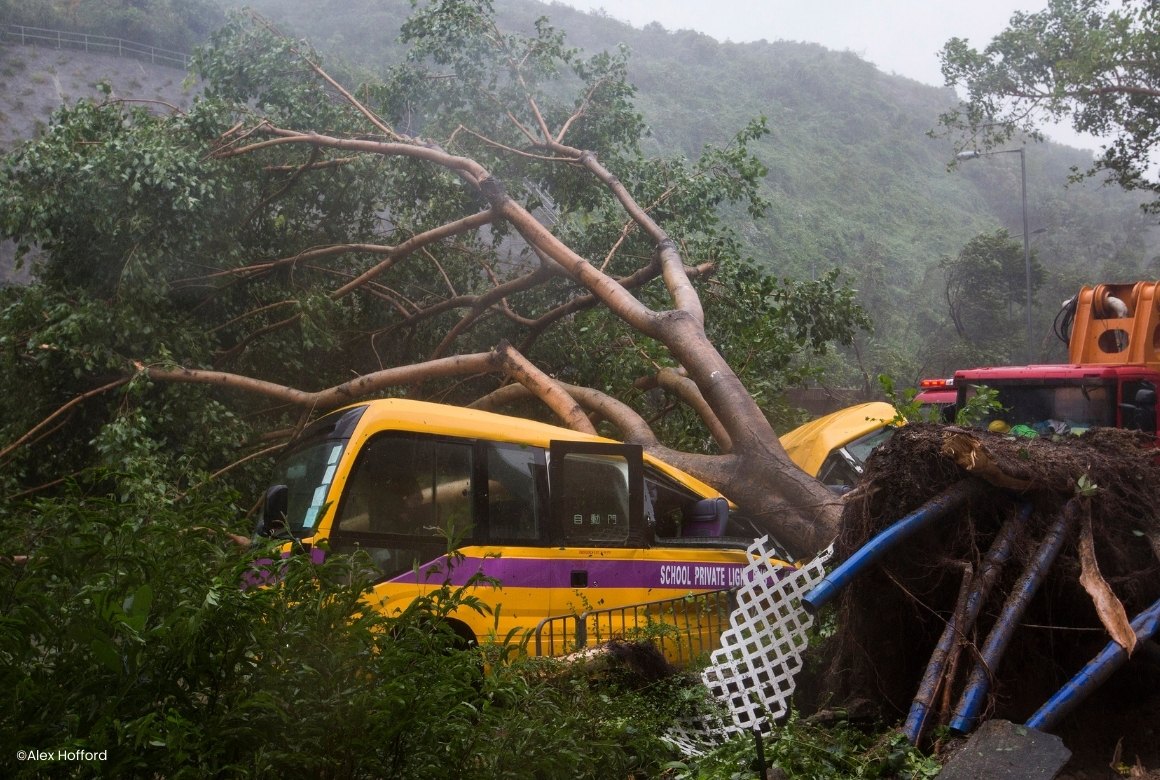
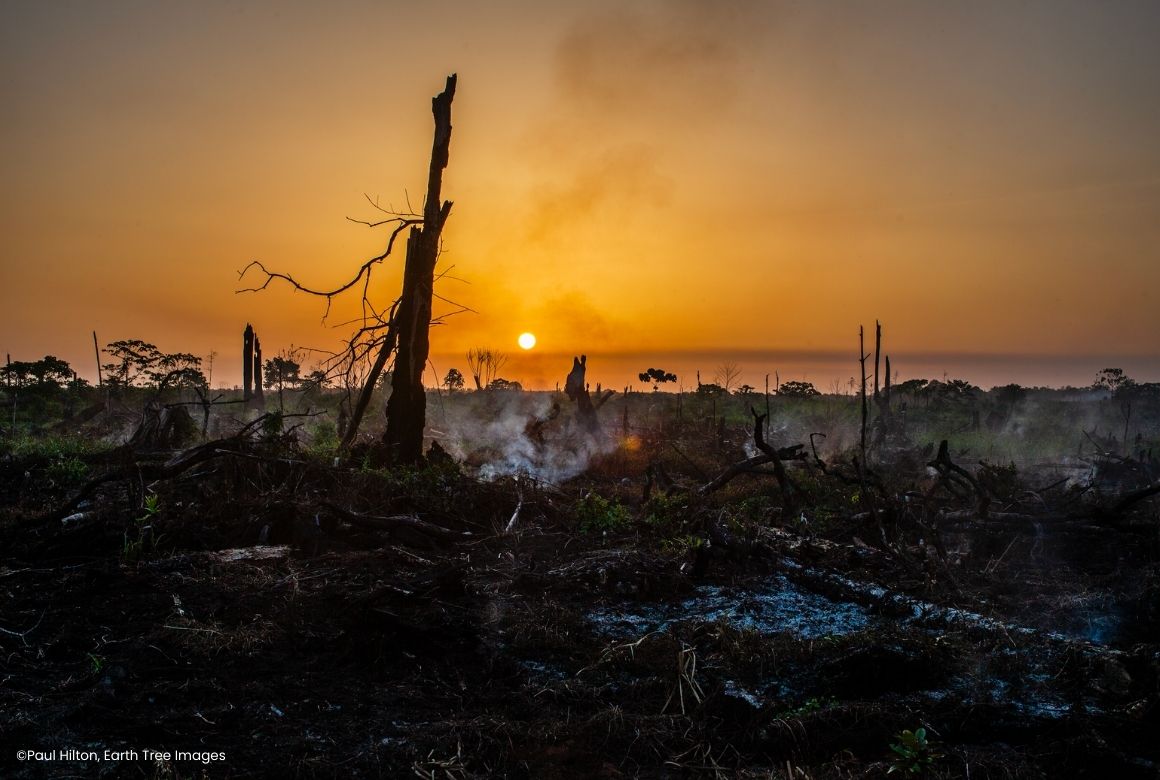
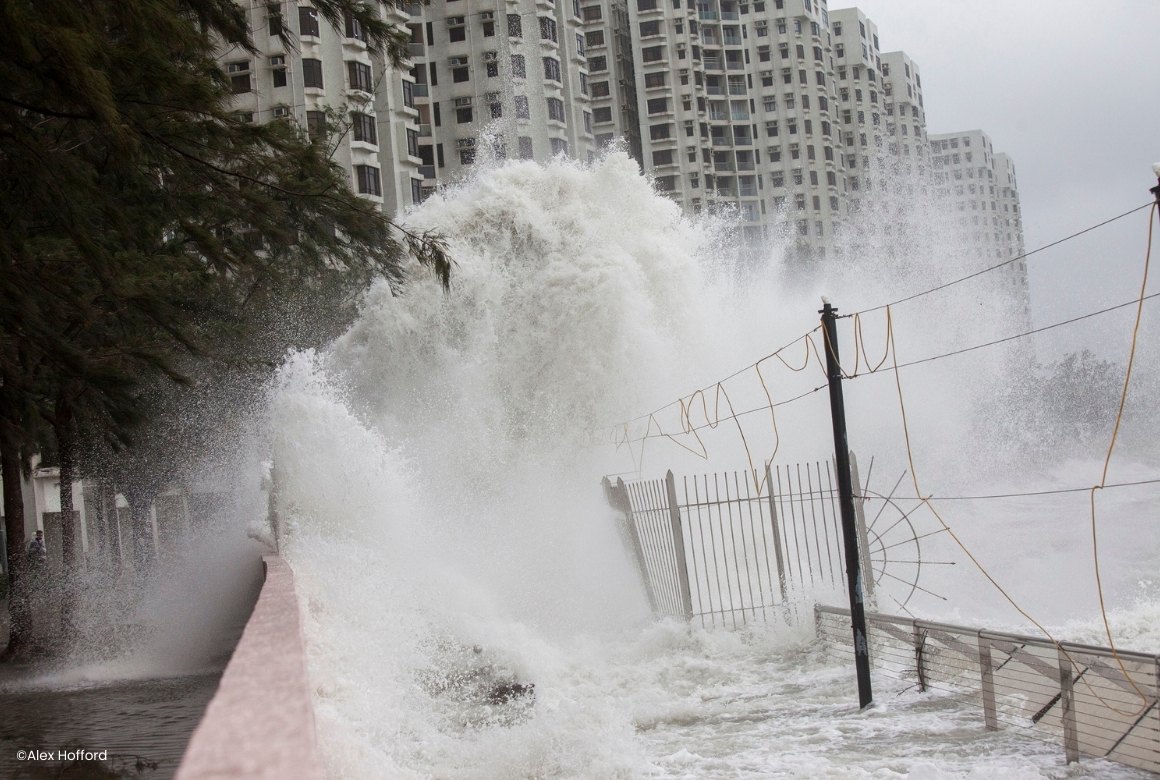
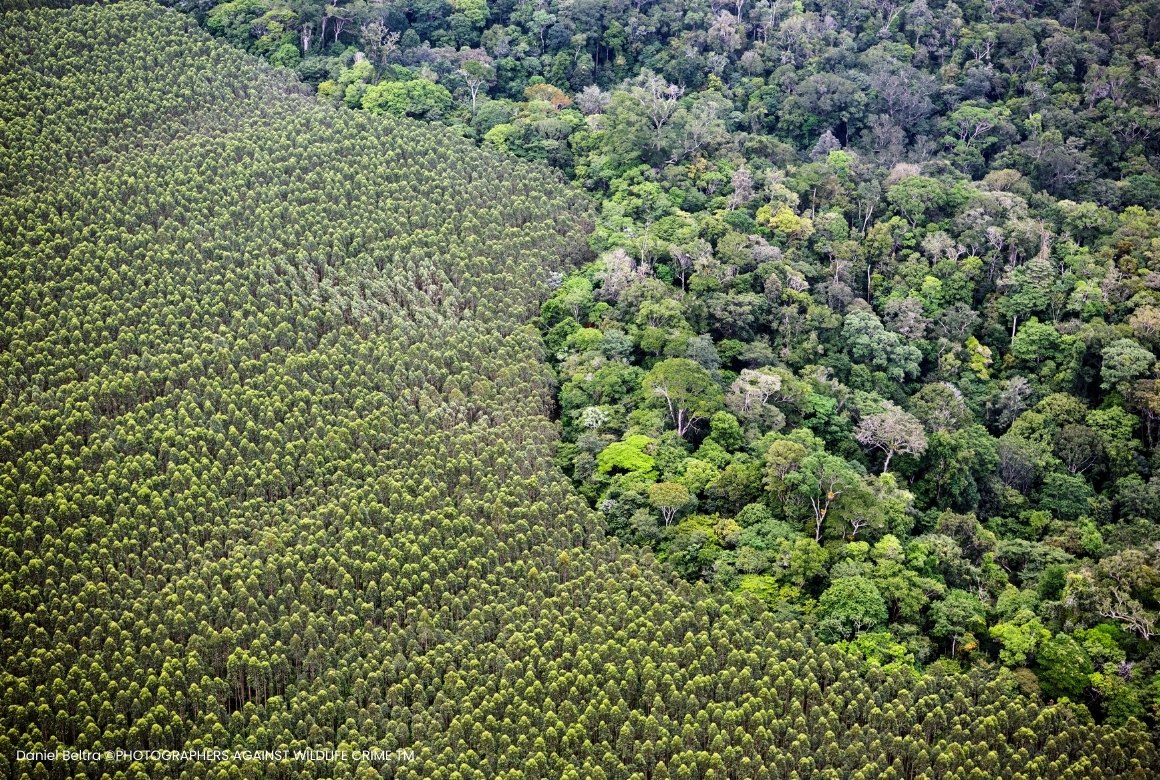
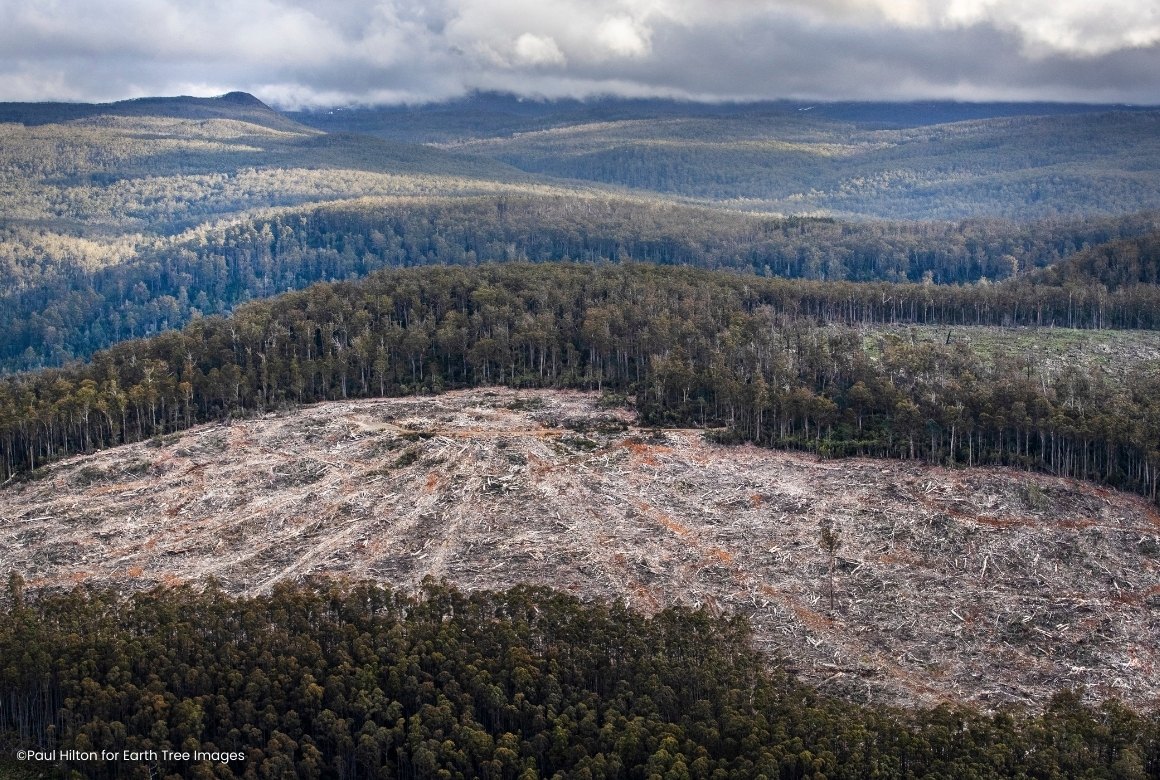
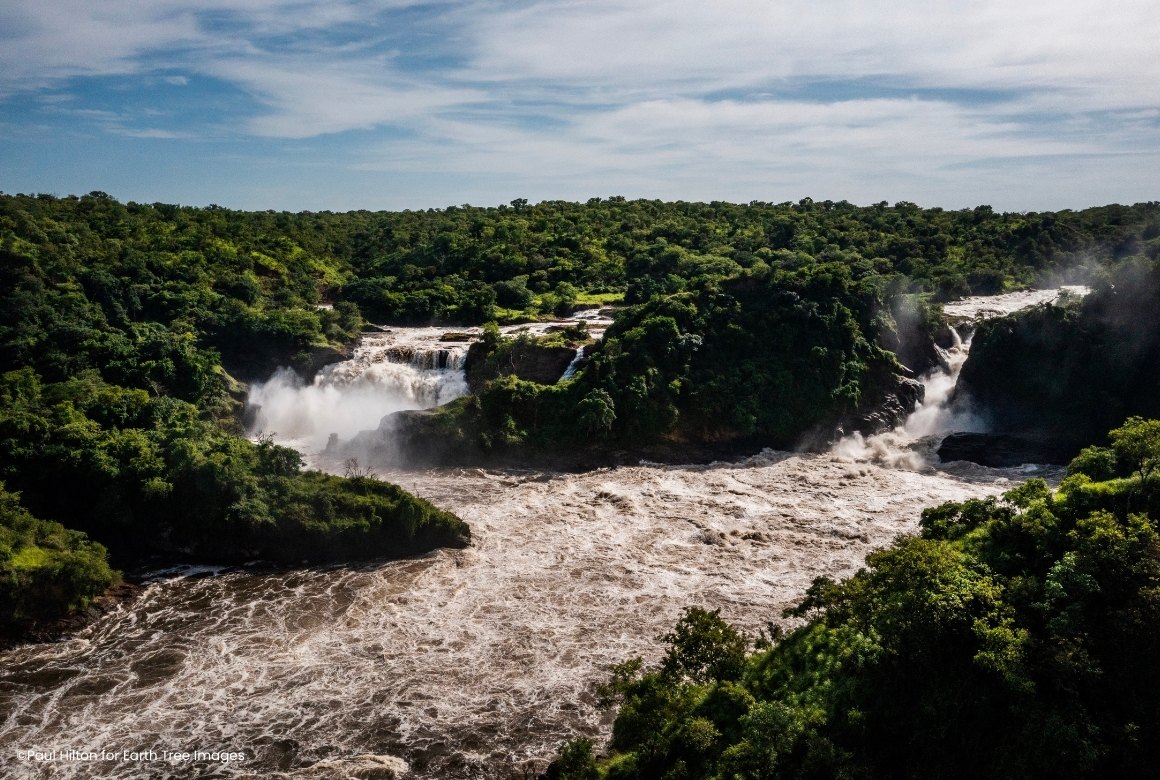
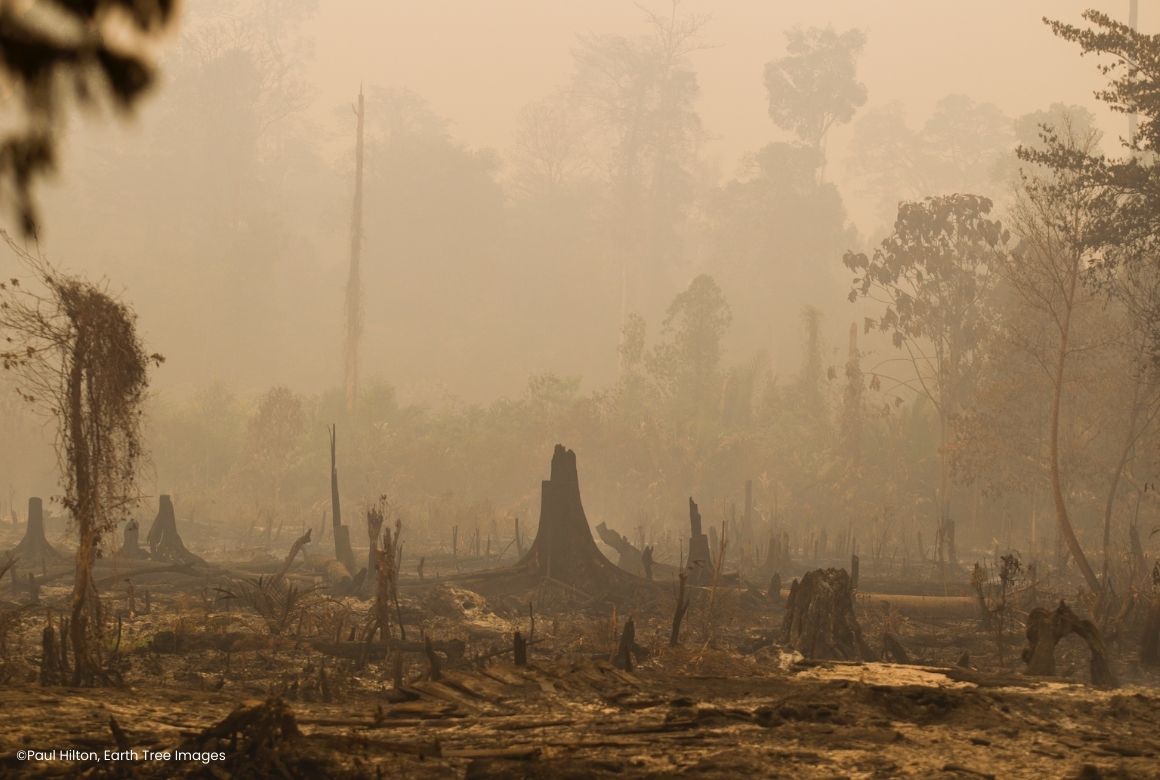
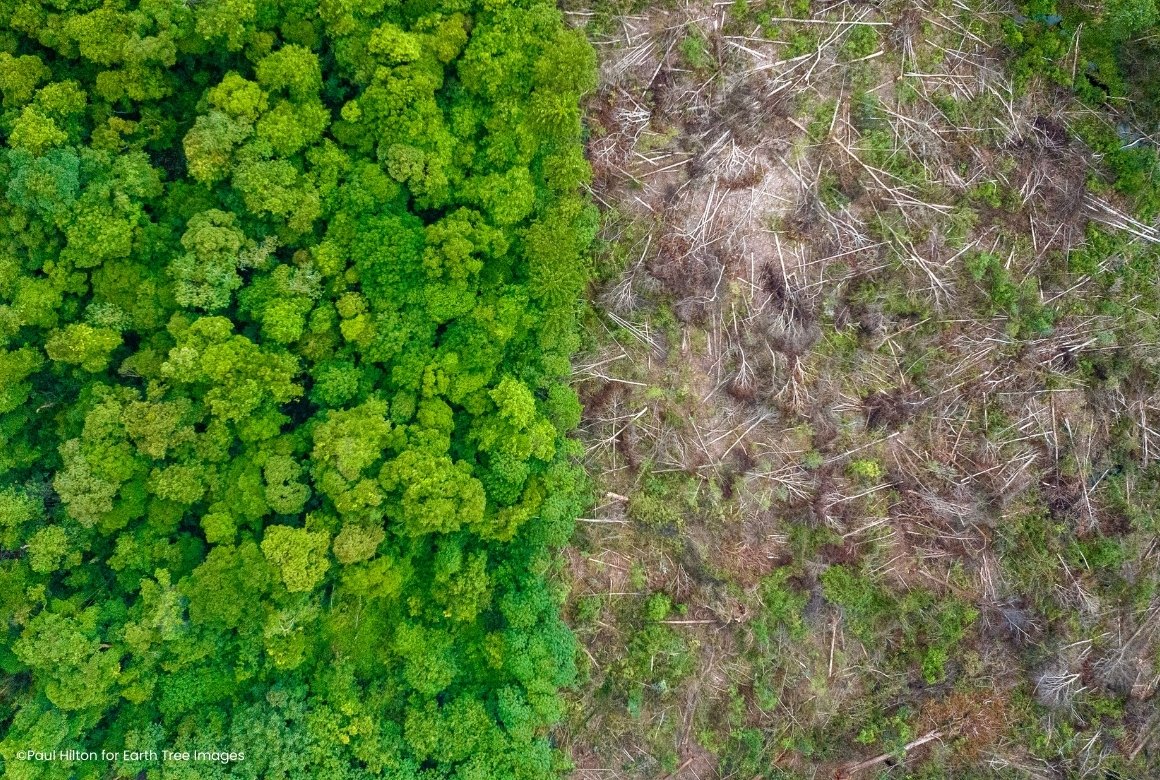
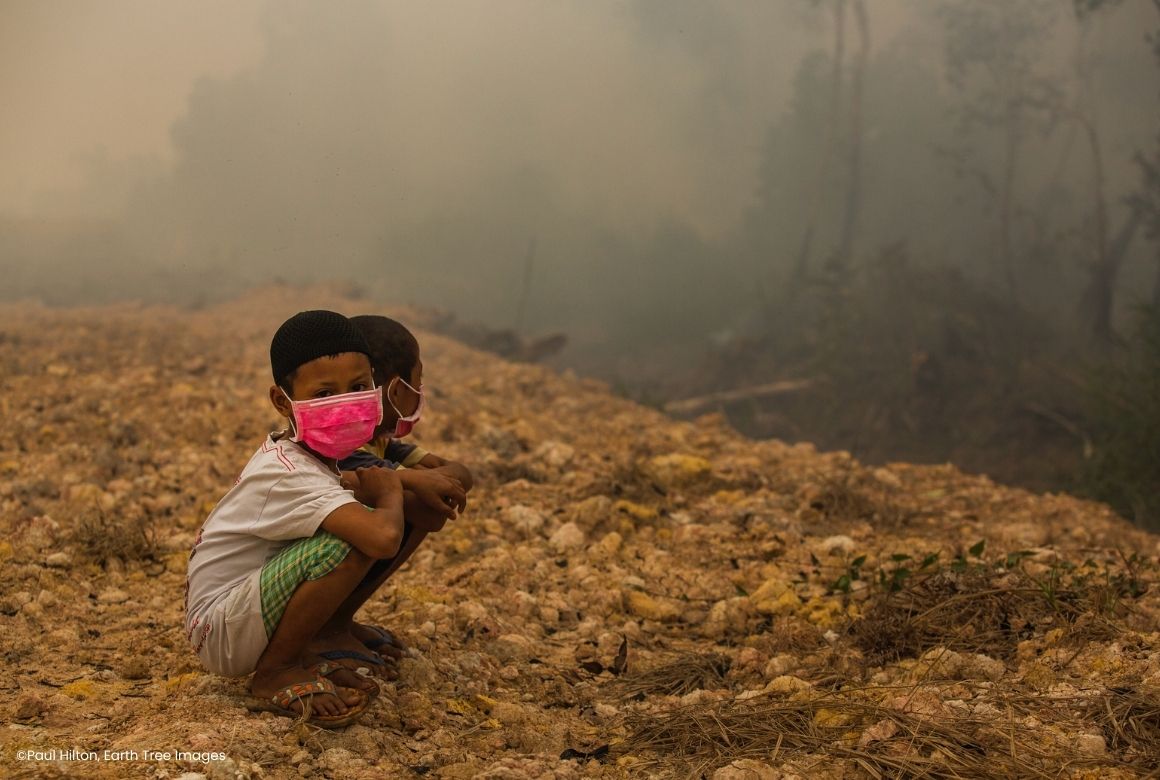
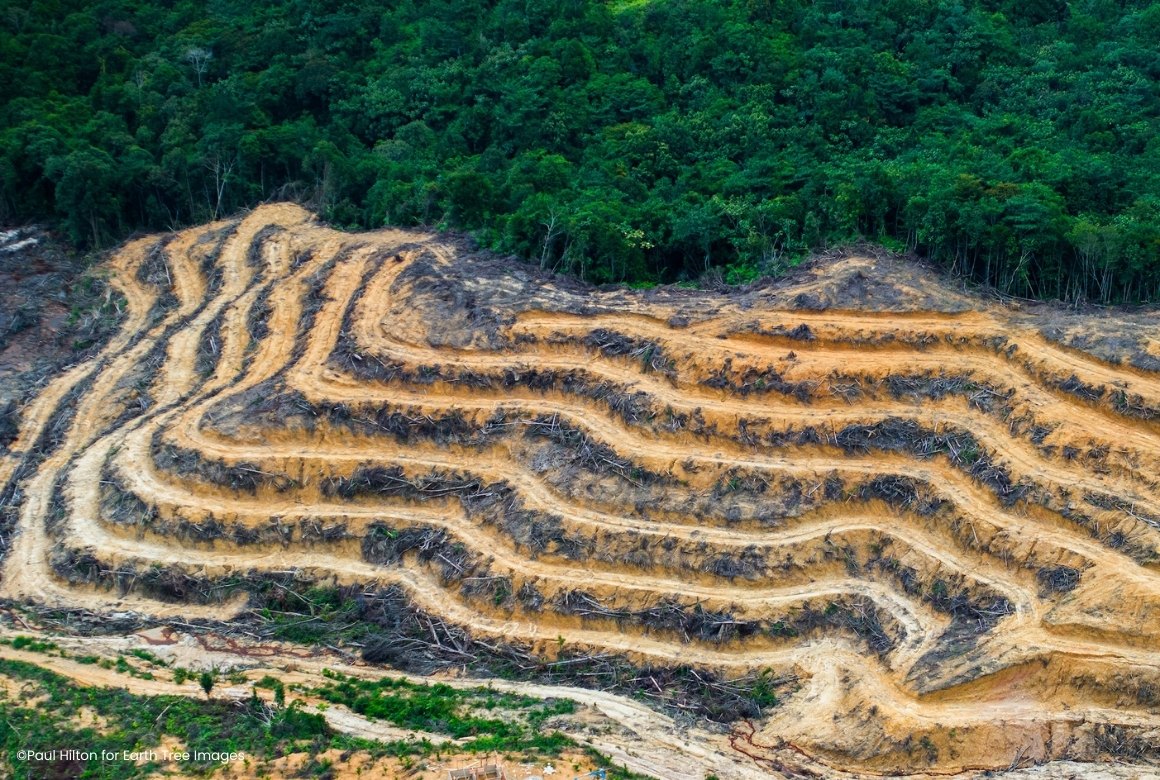
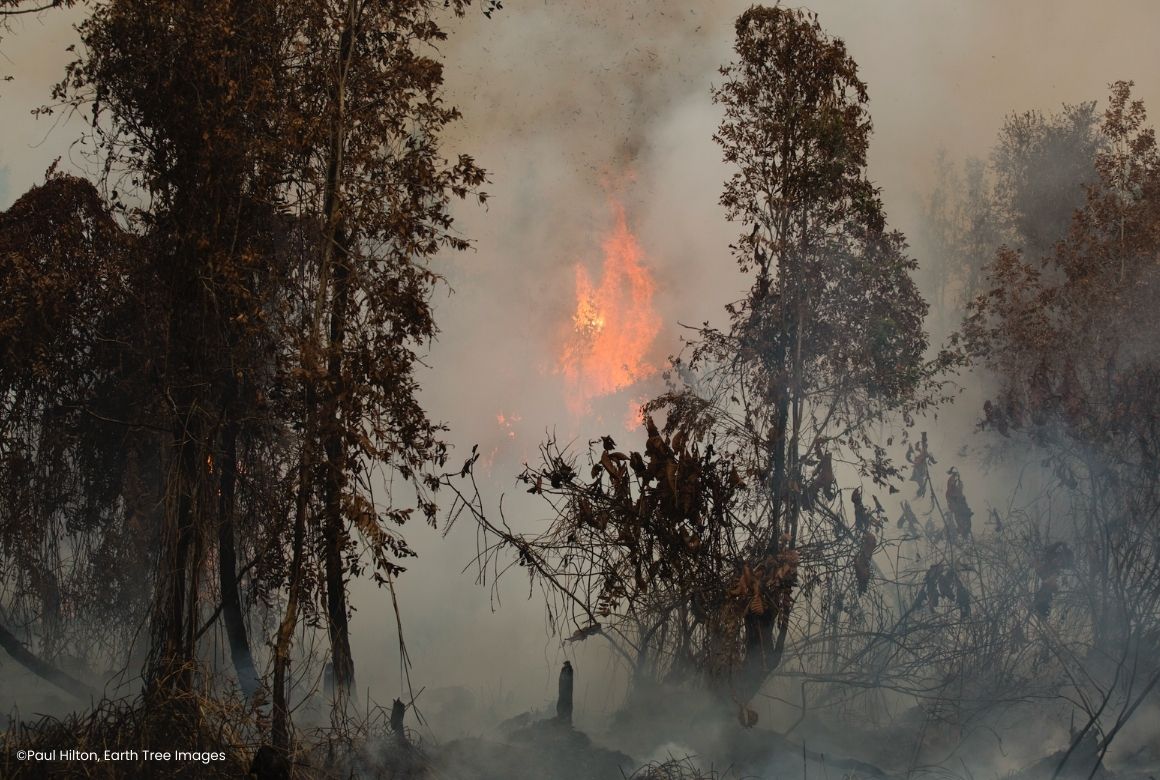
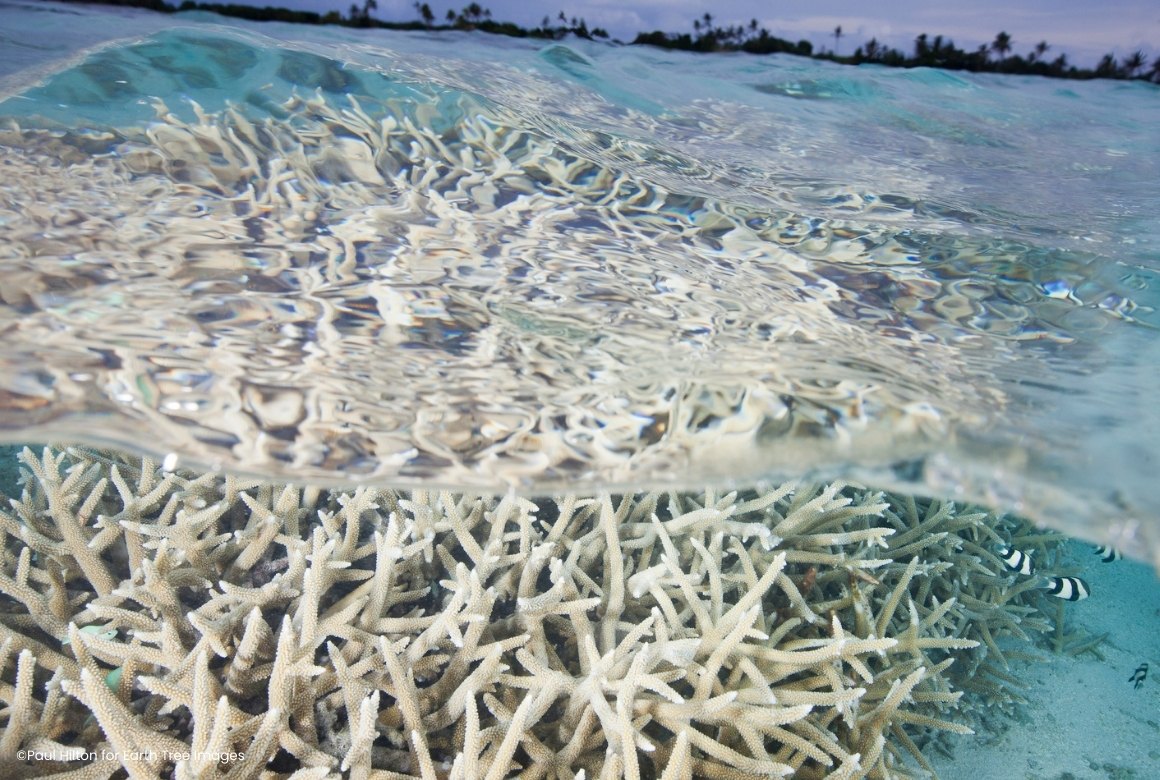
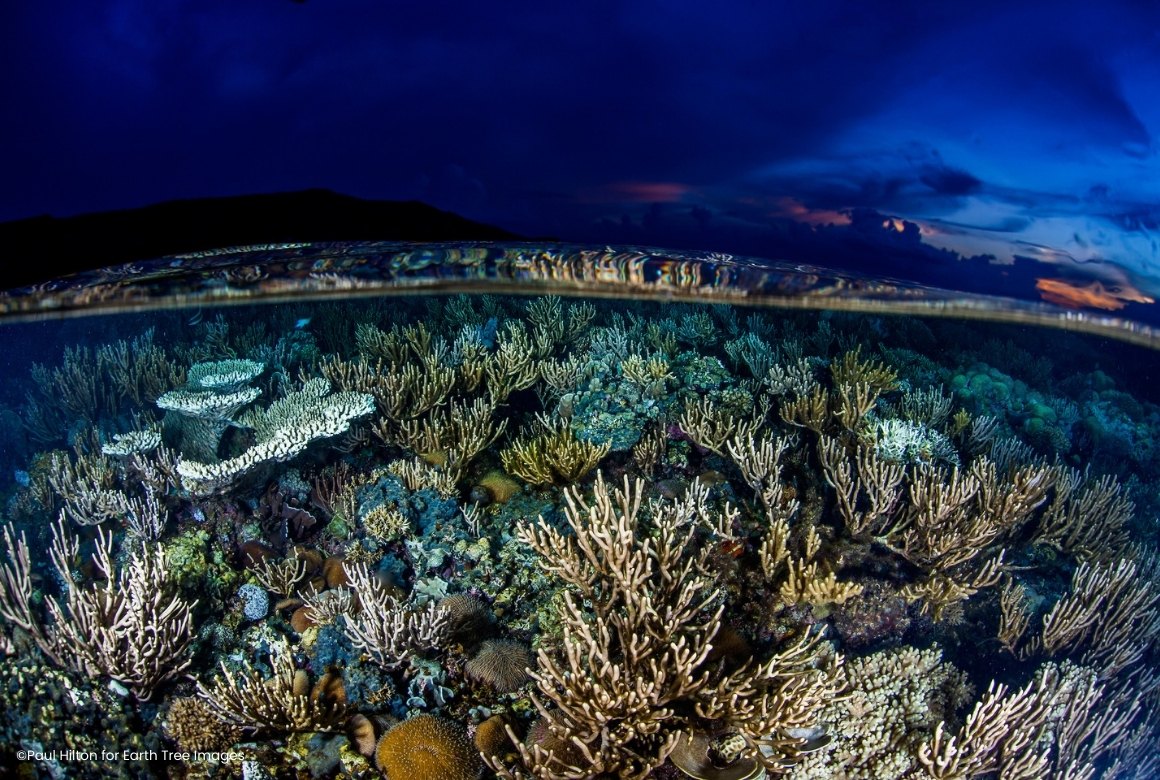
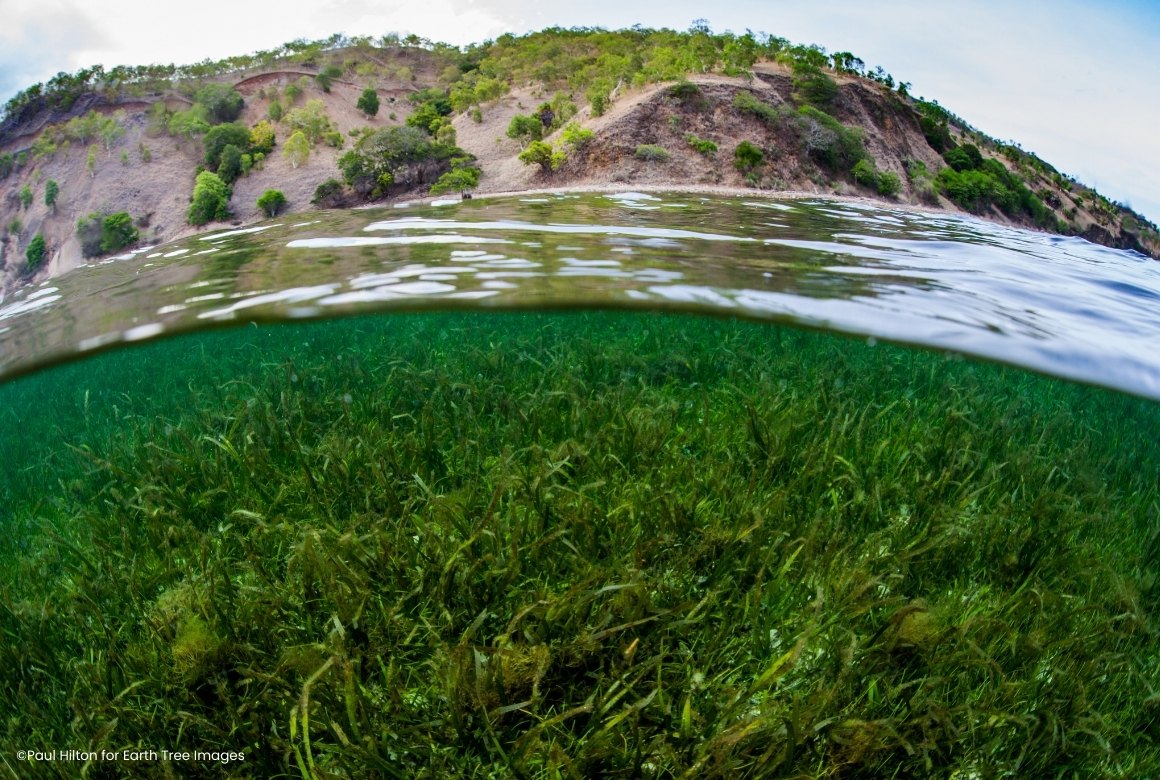
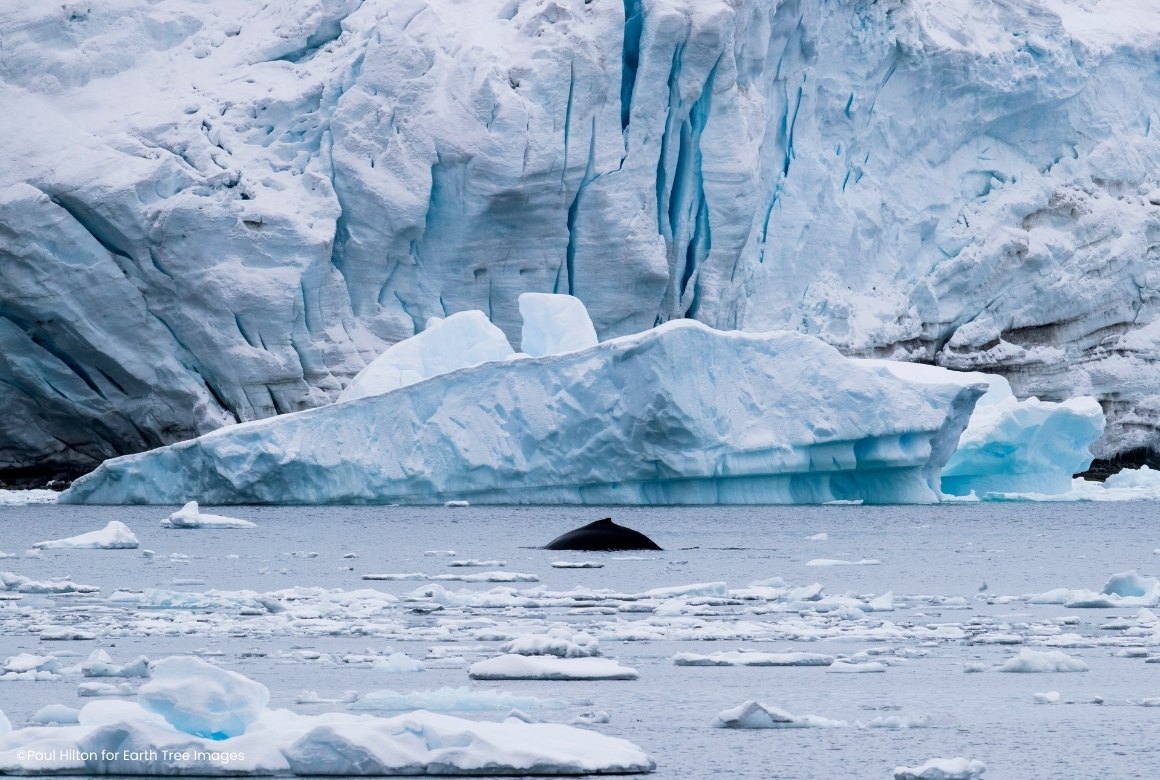
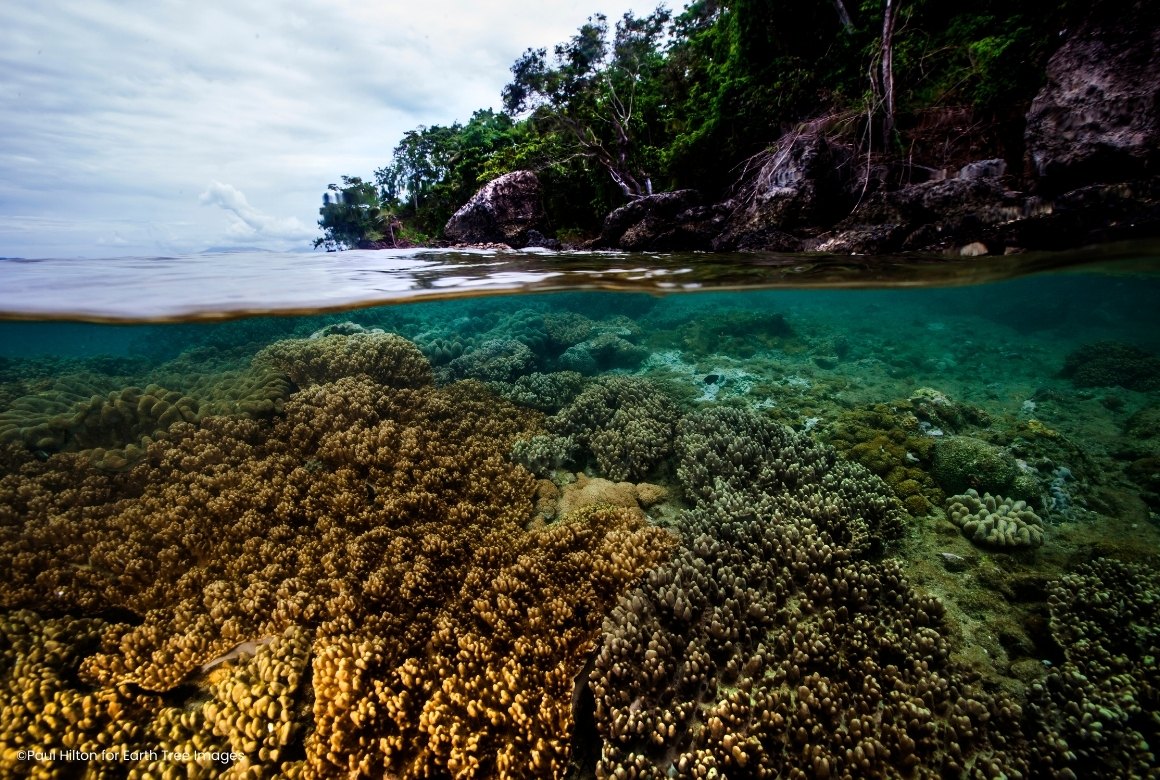
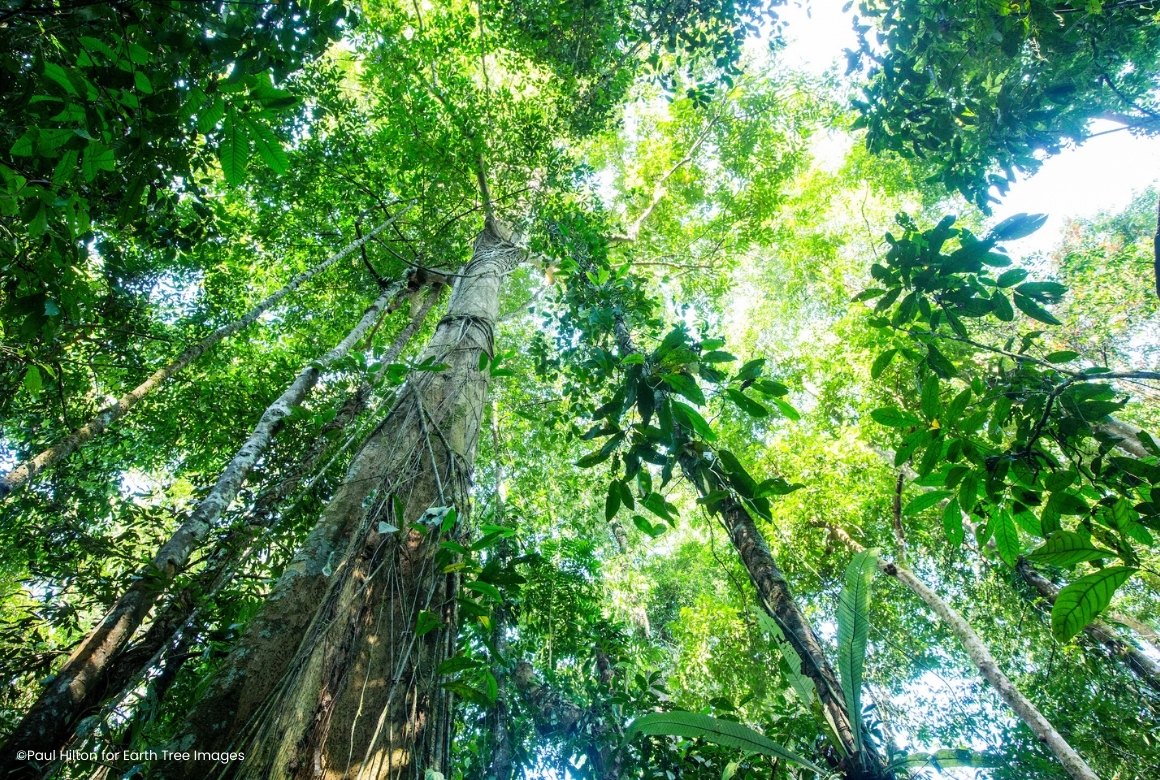
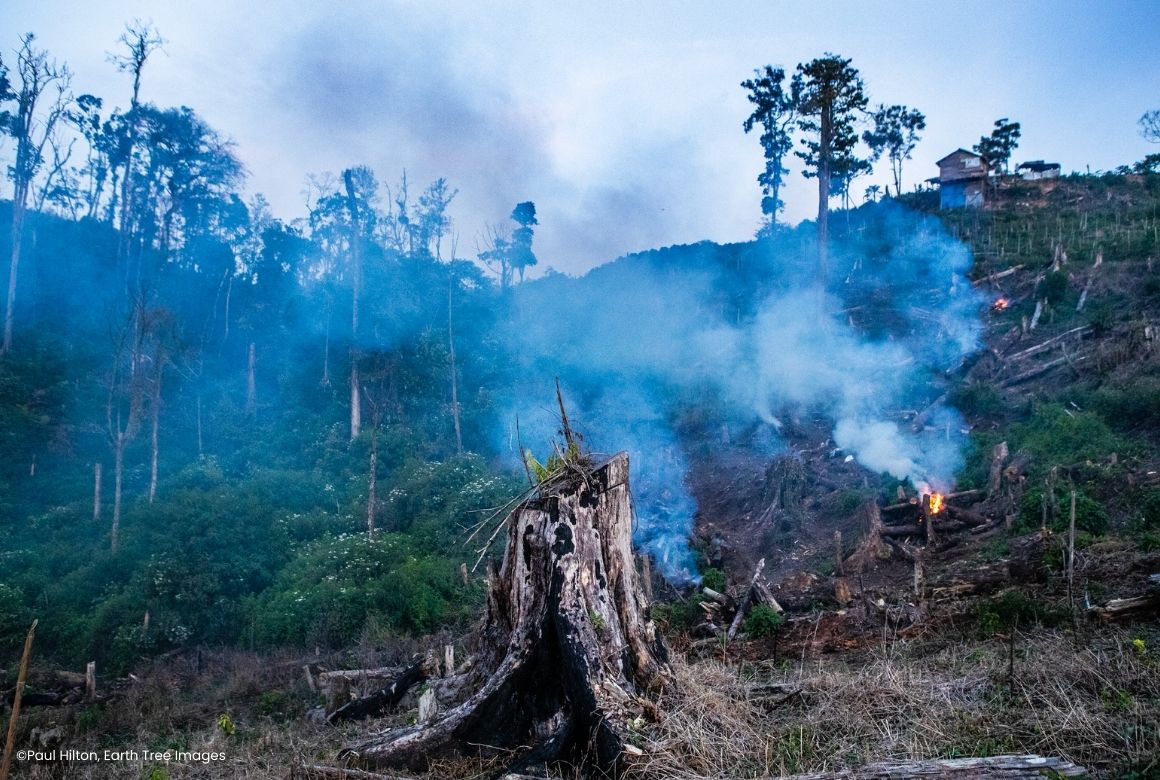
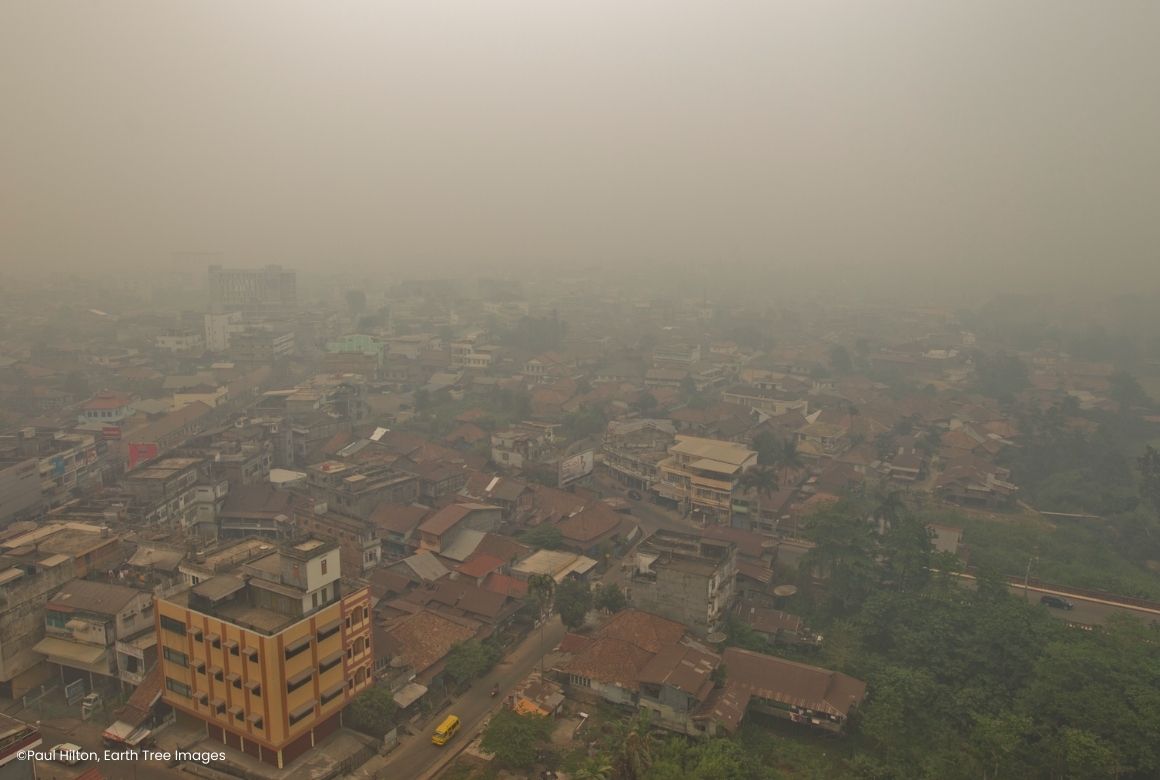
Photographers and photojournalists document the impacts of climate change, nature loss and unsustainable development—providing compelling images that inform and raise awareness. Browse our gallery and learn more below.