The Nature Bill is Due: A Wake-Up Call from IPBES for Asia
February 24, 2026


Our response
Our work in this area focuses on highlighting the importance of biodiversity as a consideration for the private sector, specifically financial institutions. We engage directly with the finance community to understand how and to what extent APAC financial institutions consider biodiversity in their investment processes and conduct and share research into best practices and new frontiers.
In collaboration with our affiliated asset management firm ADM Capital, we’ve developed practical tools to help integrate nature considerations into the investment process. This includes an ESG toolkit designed to help asset managers effectively identify and address climate and nature-related risks. Additionally, we work closely with financial institutions to enhance awareness of biodiversity issues. By fostering a greater understanding of biodiversity’s significance and collaboration with the finance community,, we aim to drive systemic change to promote responsible investment strategies that ultimately benefit society and support ecological sustainability.
Our response
To achieve clarity and understanding regarding the potential funding mechanisms that could be deployed in Hong Kong to support marine conservation, we conducted research to ascertain the utility derived from its marine resources (economic, social, environmental, including climate regulation). We reviewed the marine conservation landscape and examined how capital could be secured both now and in the future, ensuring the sustainable use of marine resources while protecting and conserving the underlying assets.
It is envisioned that this research paper will serve as a catalyst for others interested in this field, stimulating discussions and eventually providing a basis for dialogue with lawmakers and the private sector. Concise and informative research is foundational to such engagement. The research will also be used as a tool to engage relevant stakeholders.
Our response
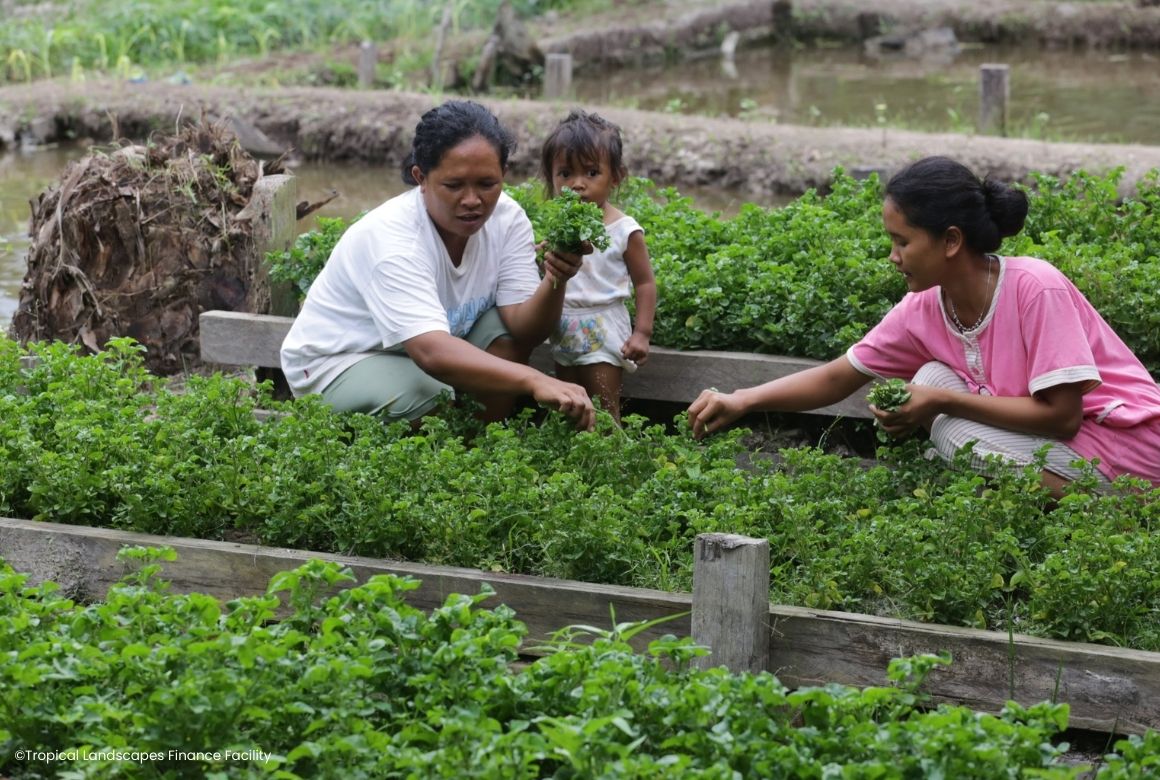
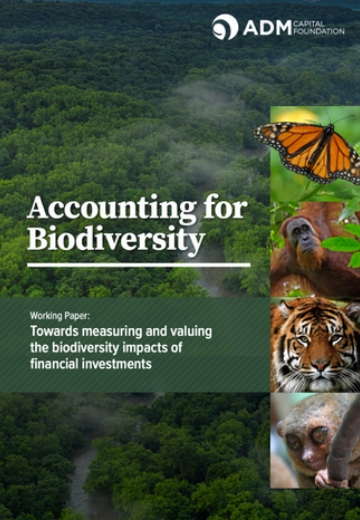
The Accounting for Biodiversity working paper seeks to bridge this gap by showcasing a real-world application of biodiversity metrics within ADM Capital’s Asia Climate-Smart Landscapes Fund (ACLF)—a pioneering initiative under the firm’s new climate vertical. Targeting sustainable SMEs in Indonesia, ACLF provides medium-term senior secured lending across sectors such as agriculture, agroforestry, and aquaculture, while embedding climate resilience, livelihood improvement, responsible land use and gender equity into its investment strategy.
This report not only illustrates how biodiversity considerations can be integrated at the fund level, but also shares the tools, processes, and methodologies—such as geospatial analytics, artificial intelligence, and sector-specific screening—used to support decision-making. By doing so, it provides financial stakeholders with a concrete reference point for adopting and adapting biodiversity accounting into their own investment approaches. The paper also aims to demystify key concepts around biodiversity materiality and emerging standards, helping to accelerate the broader financial sector’s shift toward more sustainable and nature-positive outcomes.

2007-2009
Our response
ADMCF assisted in the establishment of a trust fund to support the conservation efforts of Fauna and Flora International (FFI) and Conservation International (CI) in the Cardamom Highlands. The trust fund aimed to secure a sustainable budget for managing the area’s conservation activities, including policy enforcement, monitoring, and law enforcement, with disbursements linked to measurable conservation targets. Although FFI later decided not to continue its protection efforts in the Cardamom wildlife sanctuaries, the Global Conservation Fund (GCF) and CI took forward the research and fund design, leading to the successful establishment of the Cardamoms Trust Fund in 2015.


2009
Our response
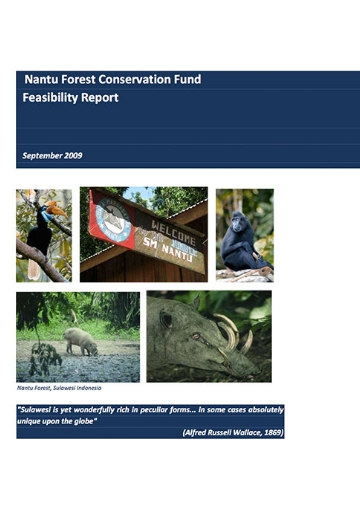
In 2009, ADMCF commissioned Starling Resources (now Mazaas Starling Resources) to assess the feasibility of establishing an endowment fund for the Nantu Forest. While an endowment fund was deemed an optimal solution, the estimated capital requirement of US$5 million was found to be prohibitive. Nonetheless, the report provided a consolidated account of the core conservation costs required for the forest’s long-term protection, informing future efforts and strategies.
2008-2015
Our response
For seven years, ADMCF provided core conservation funding and strategic support to Yayasan YANI (YANI), led by field biologist Dr. Lynn Clayton. YANI has successfully defended the Nantu rainforest from threats for two decades. In addition to providing core conservation funding, ADMCF supported YANI in strengthening its financial sustainability and expanding revenue-generating activities for both the local Nantu communities and YANI’s operations. The objective was to build closer ties with the local community, create livelihood opportunities to reduce pressure on the forest, and ensure long-term sustainability for Nantu.


2010
Our response
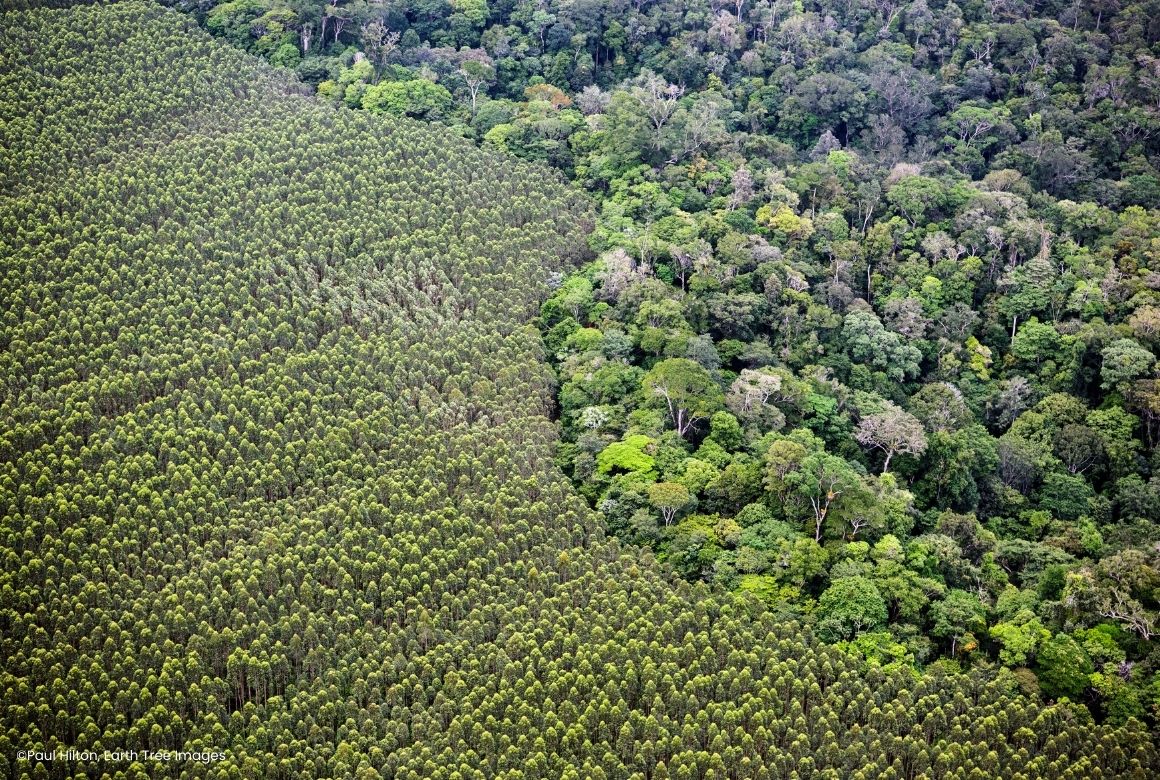
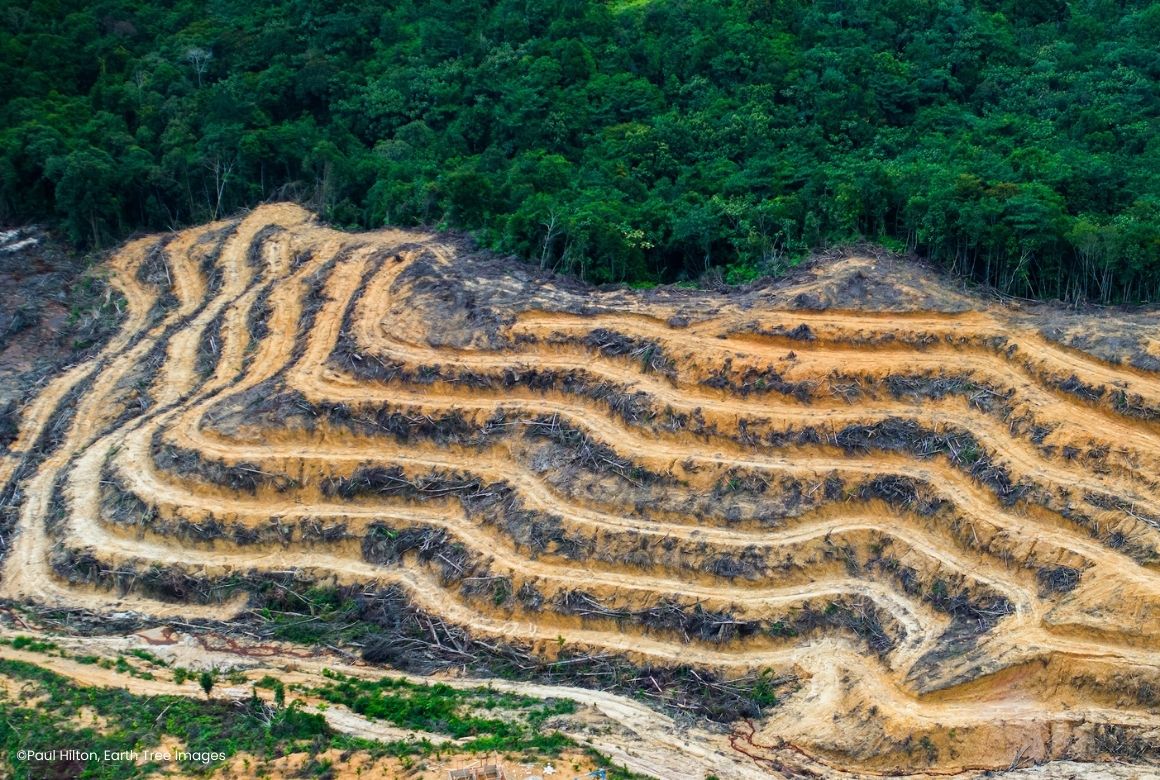
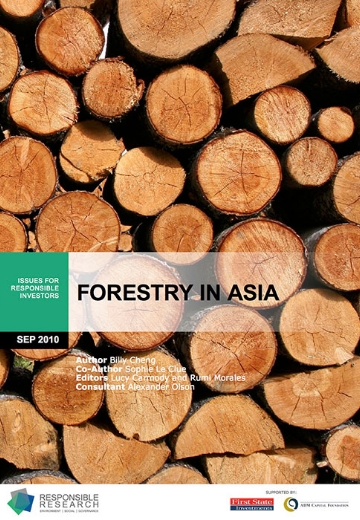
In 2010, ADMCF contributed to authoring a report that outlines the environmental, social, and governance (ESG) issues that responsible investors should consider when looking at the forestry sector, and by association, the pulp and paper industry. The report highlights key risks such as deforestation driven by palm oil expansion, pressures from biofuels and agricultural demand, and the impact of the growing mineral and mining industry on forests and surrounding areas.

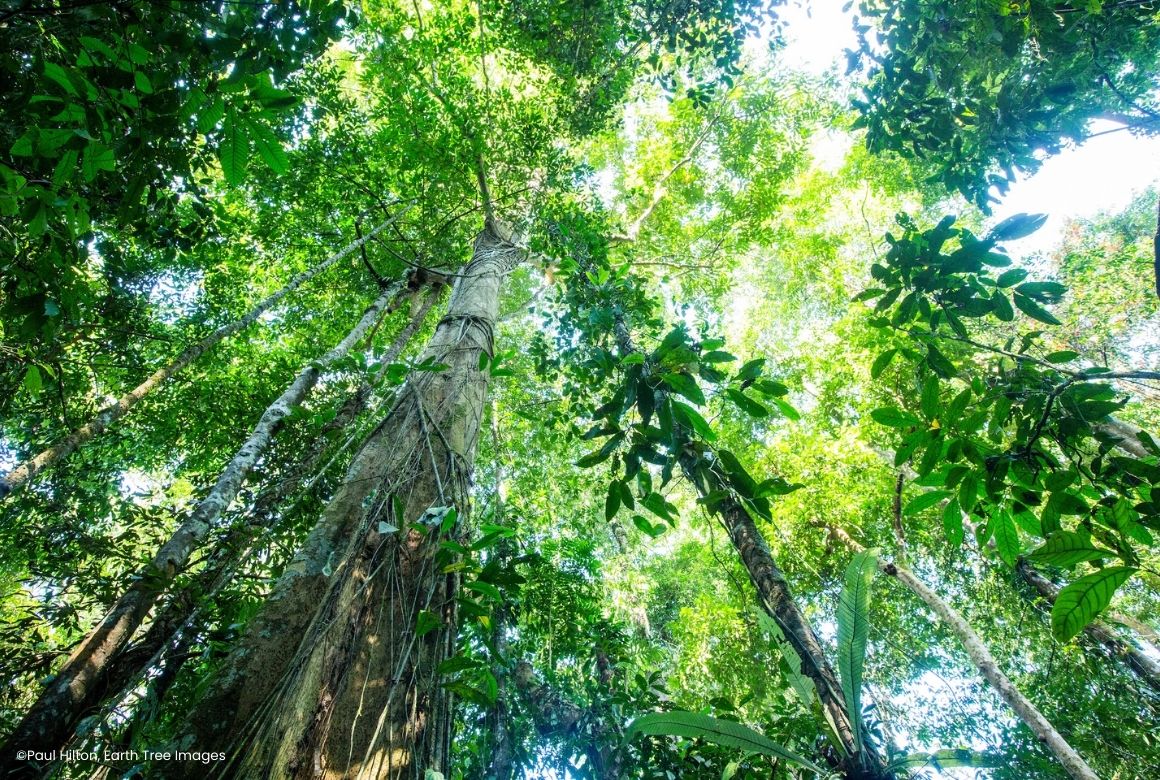
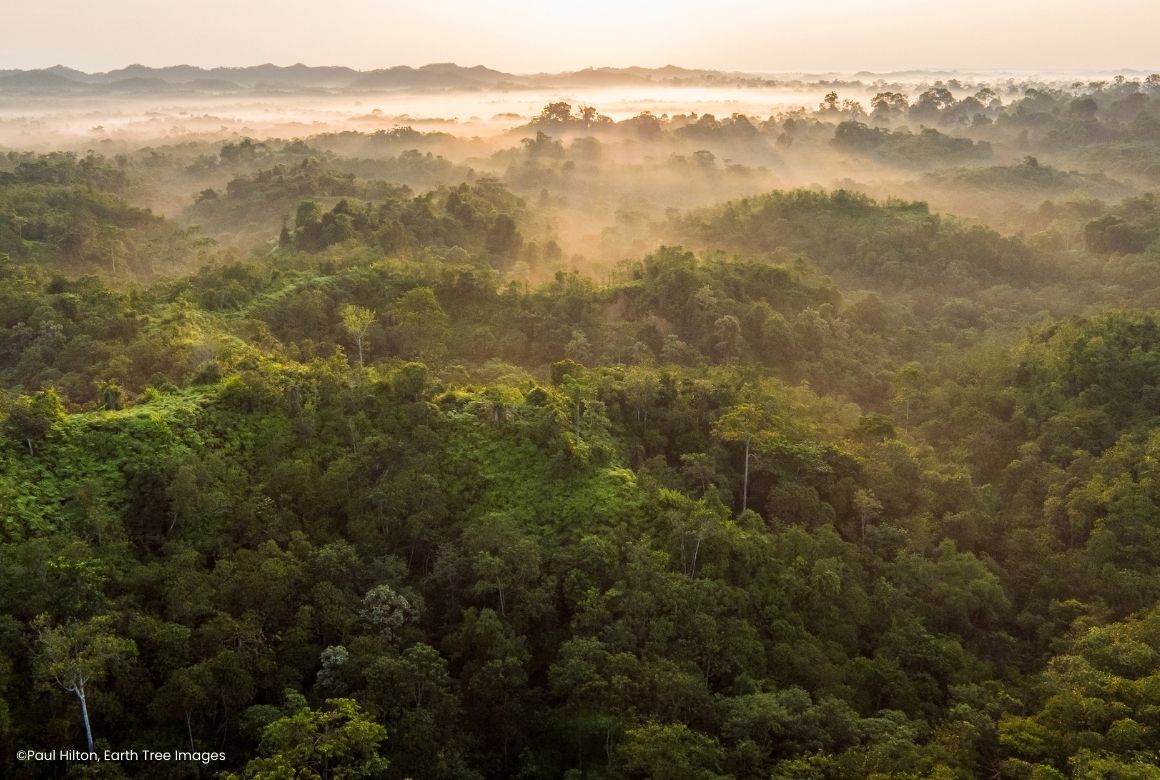
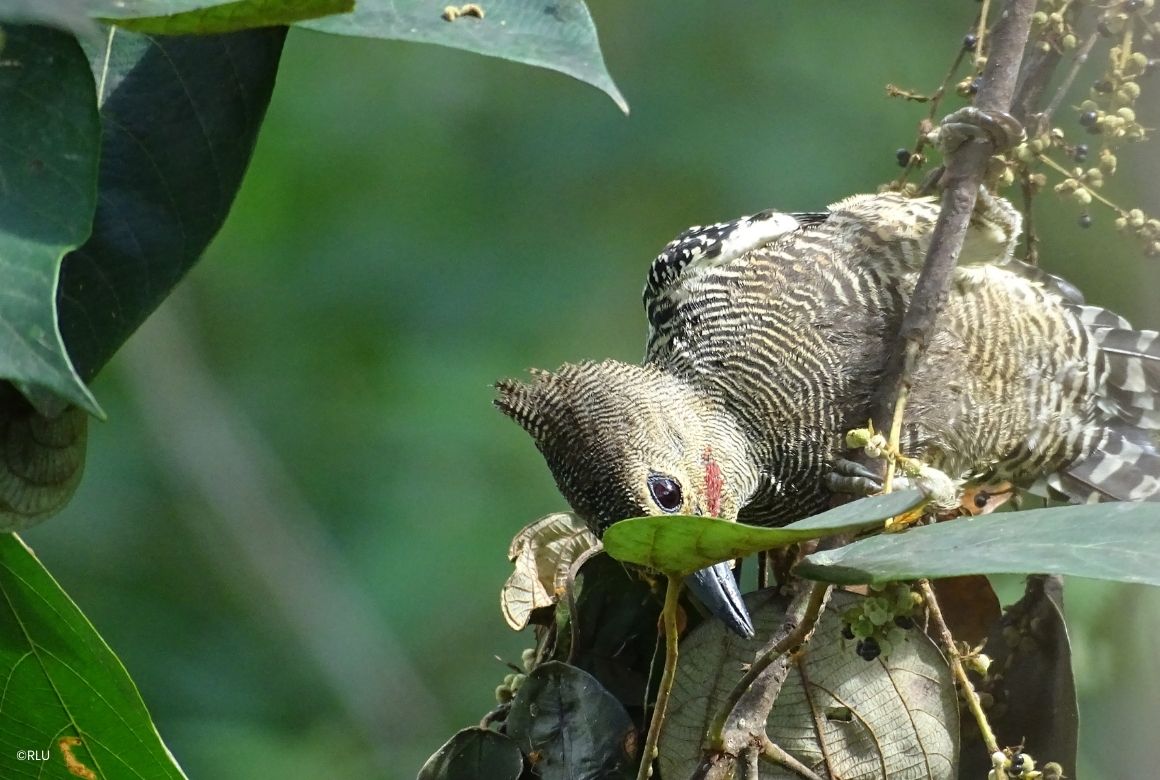
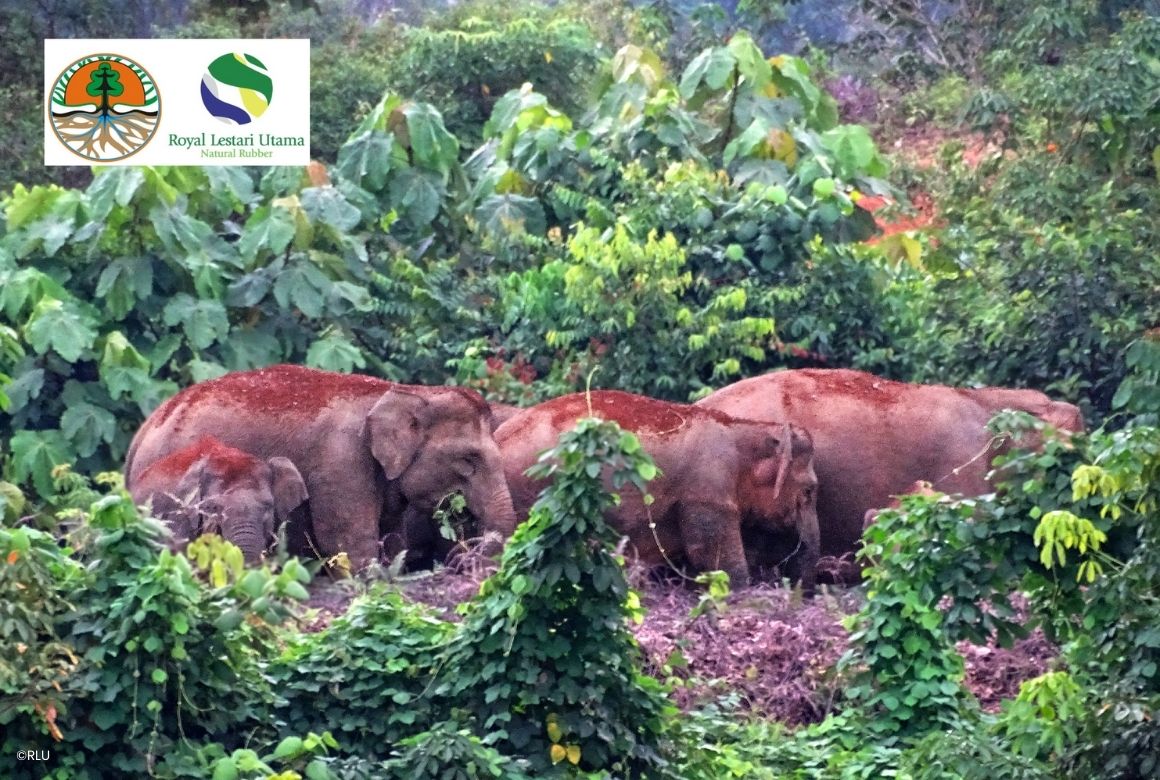
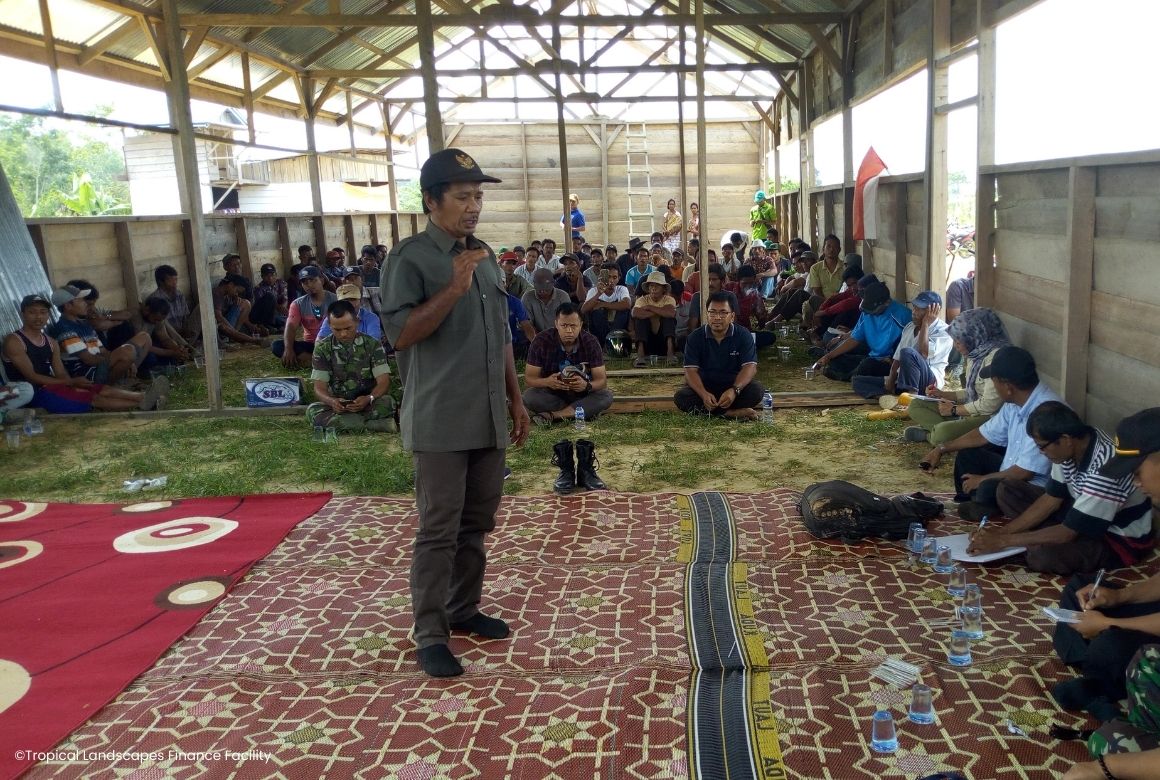
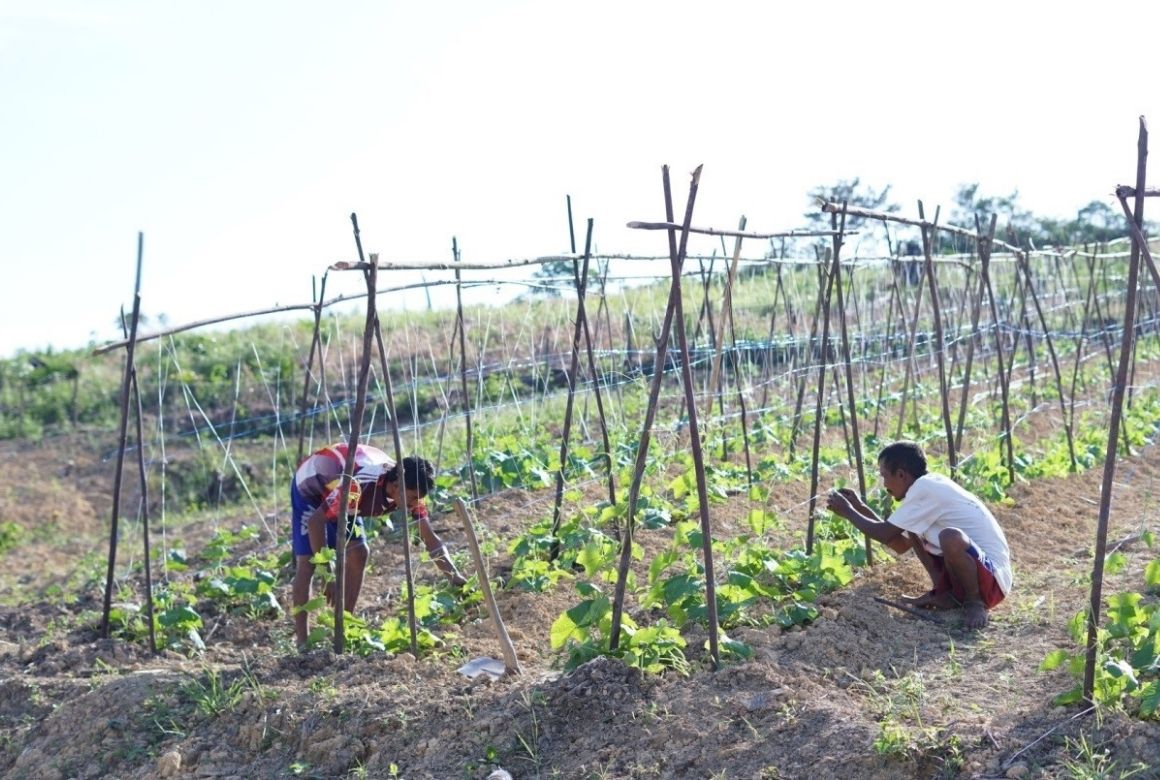
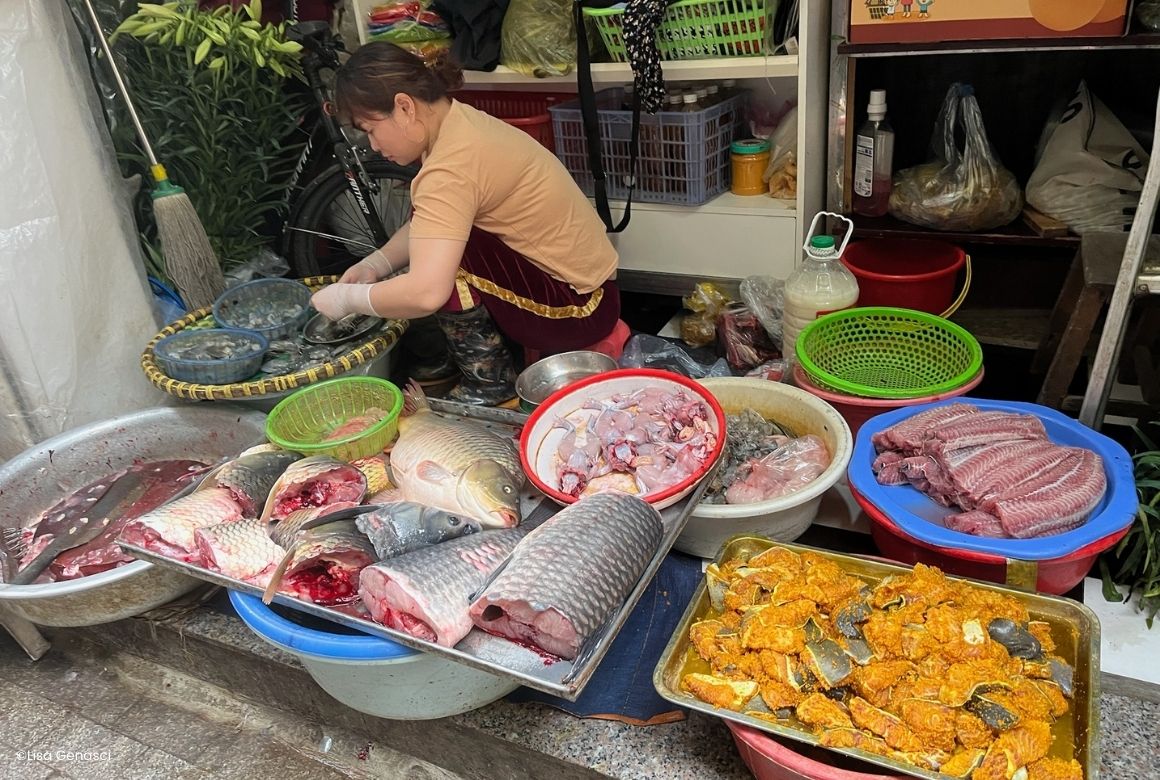
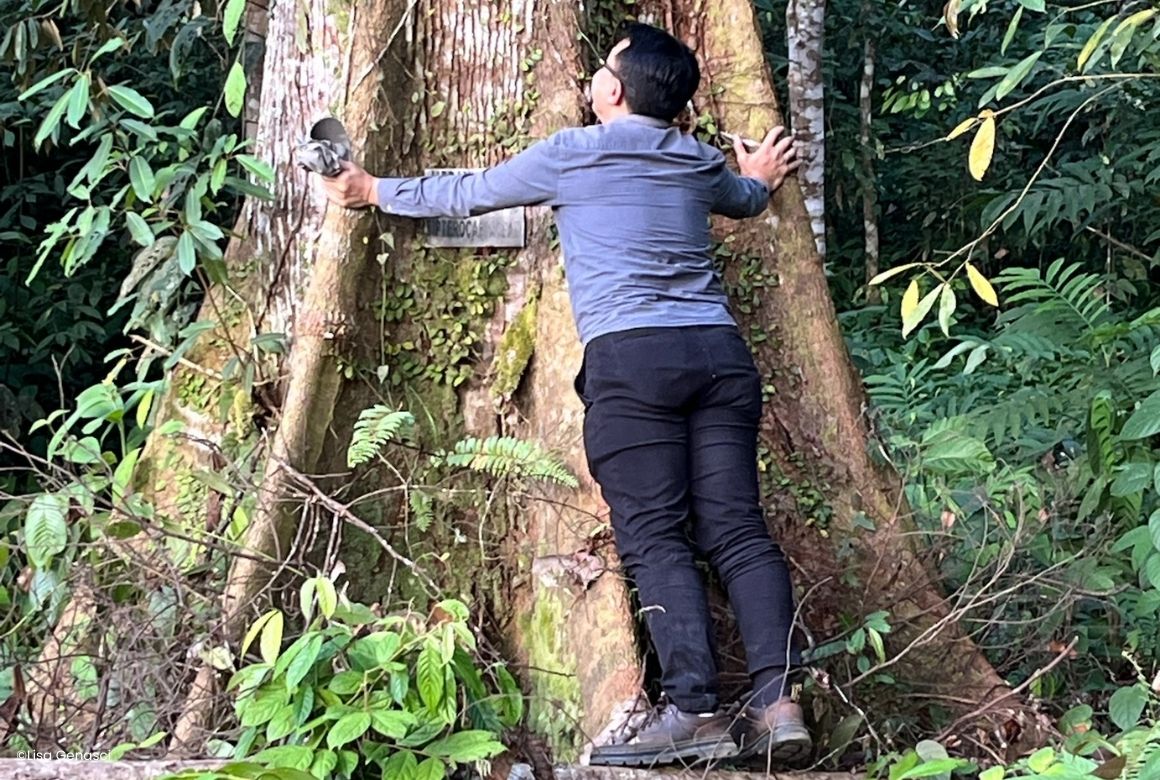
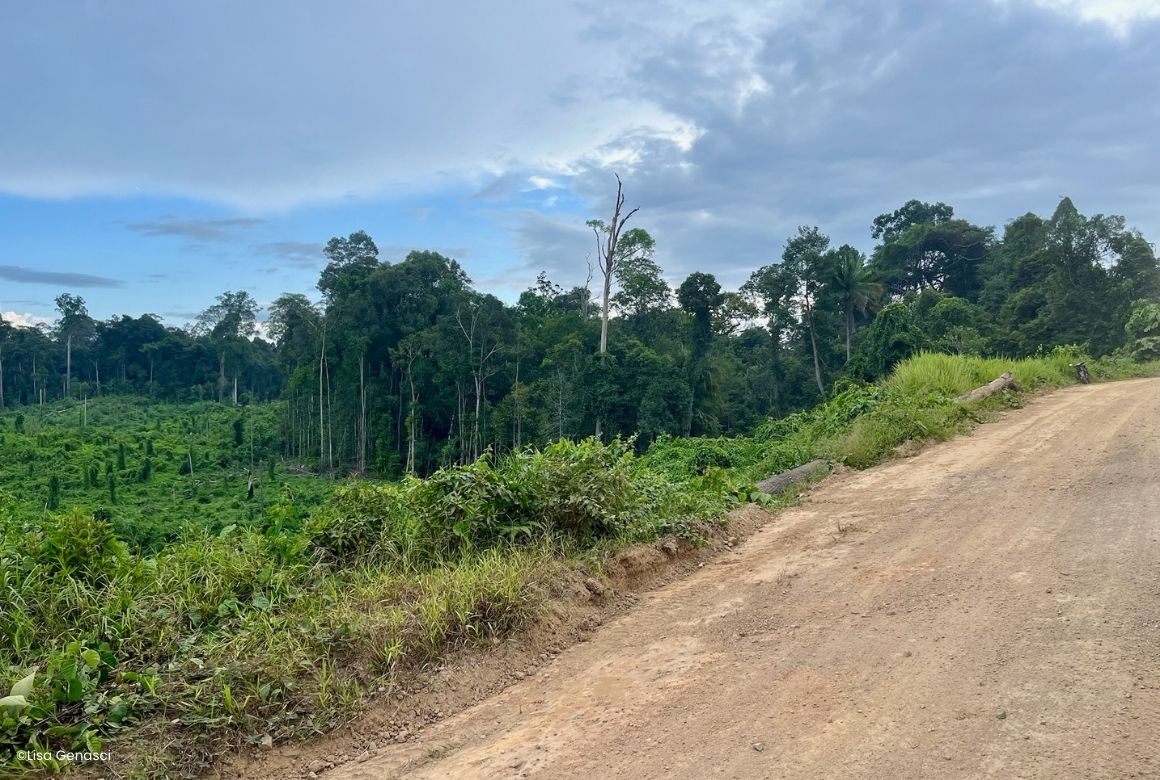
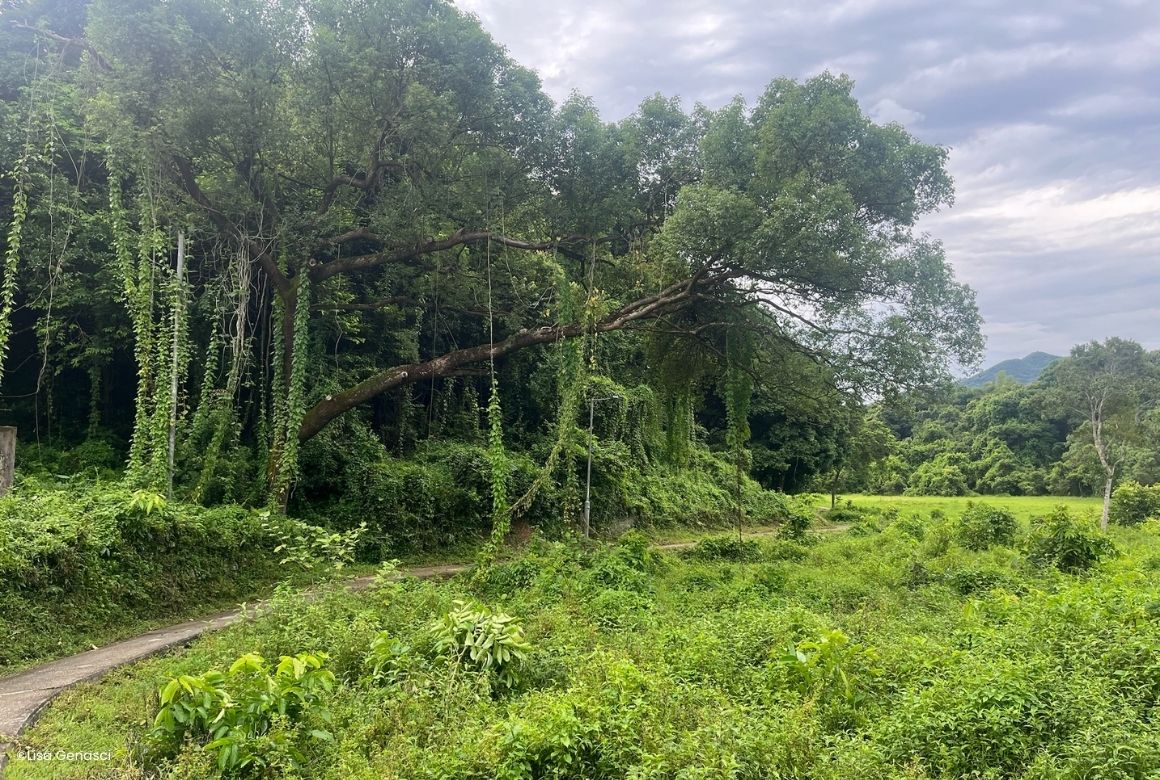
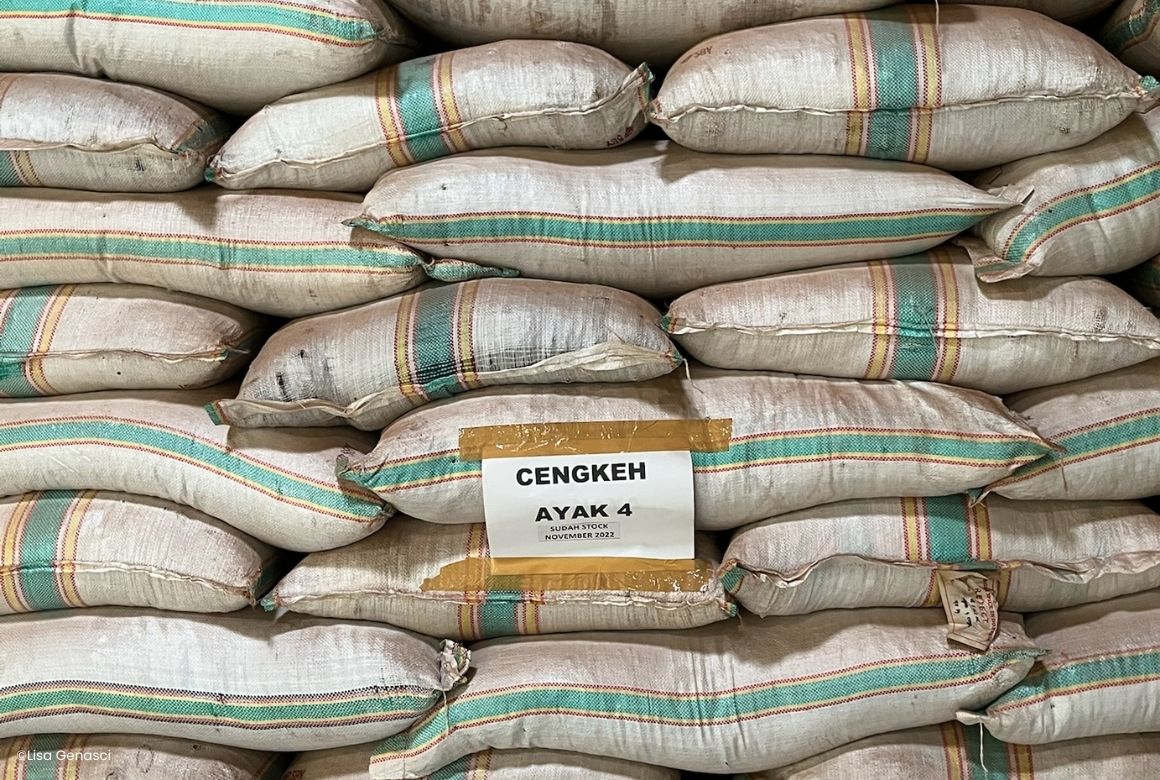
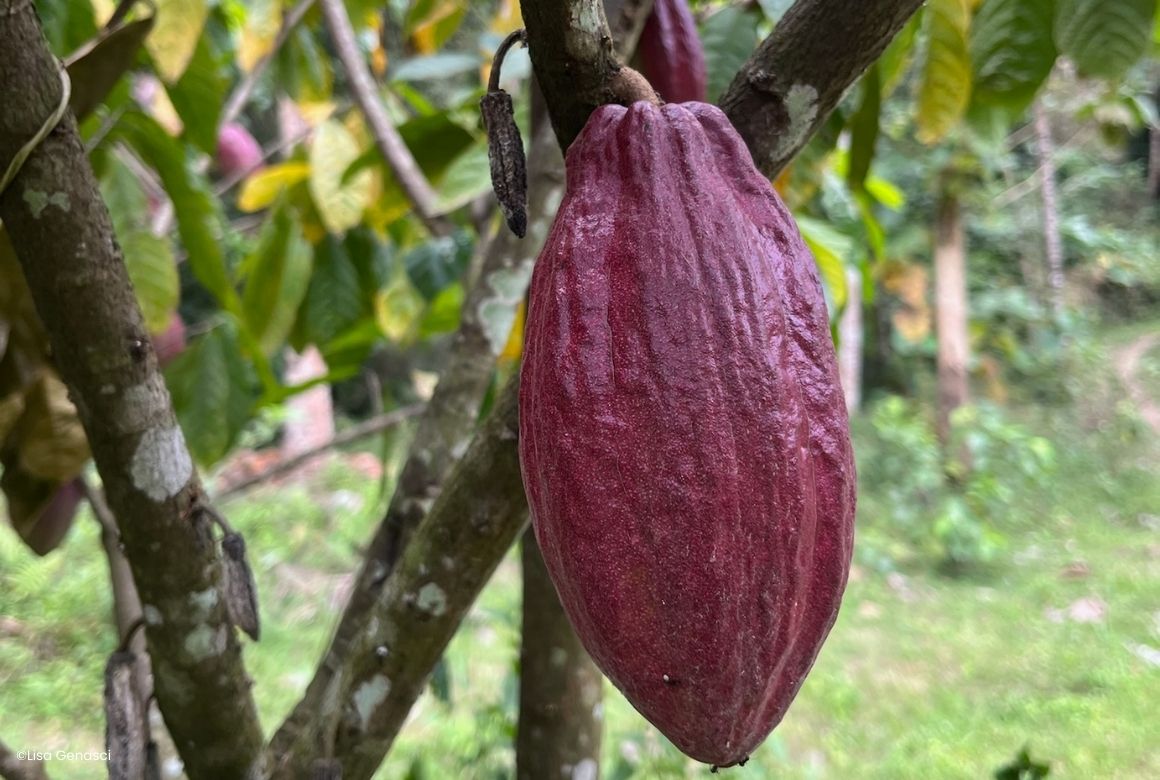
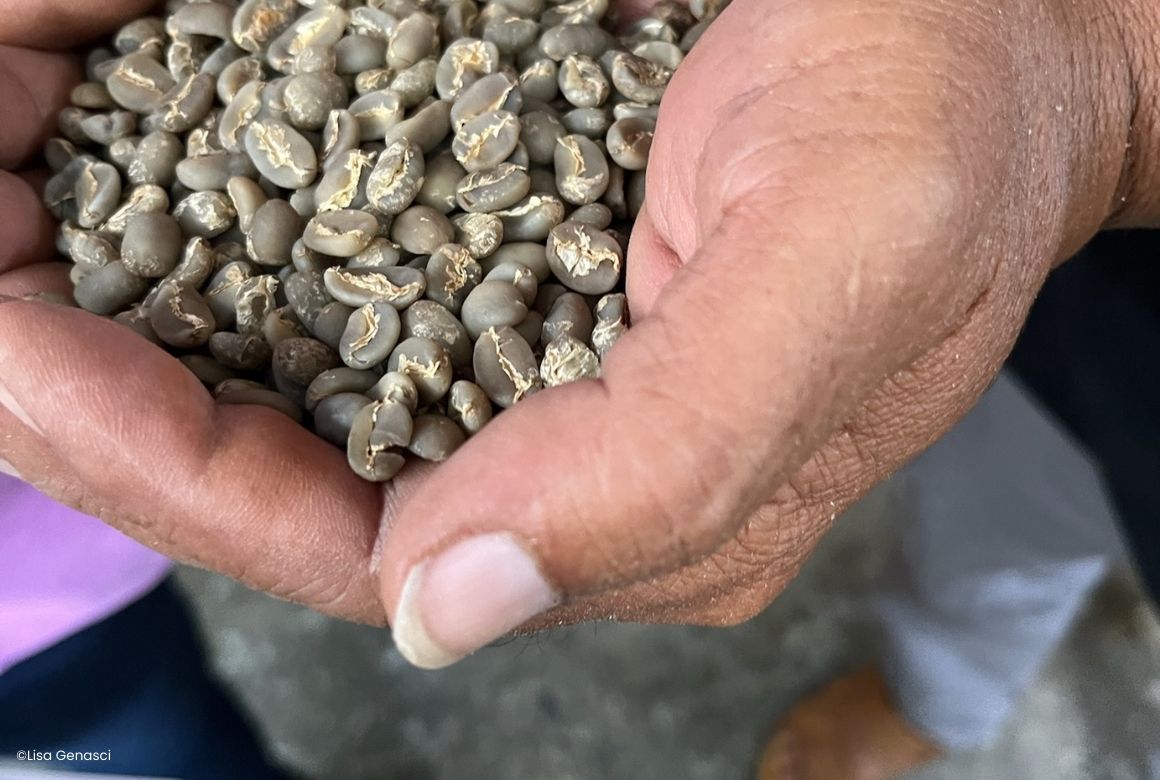
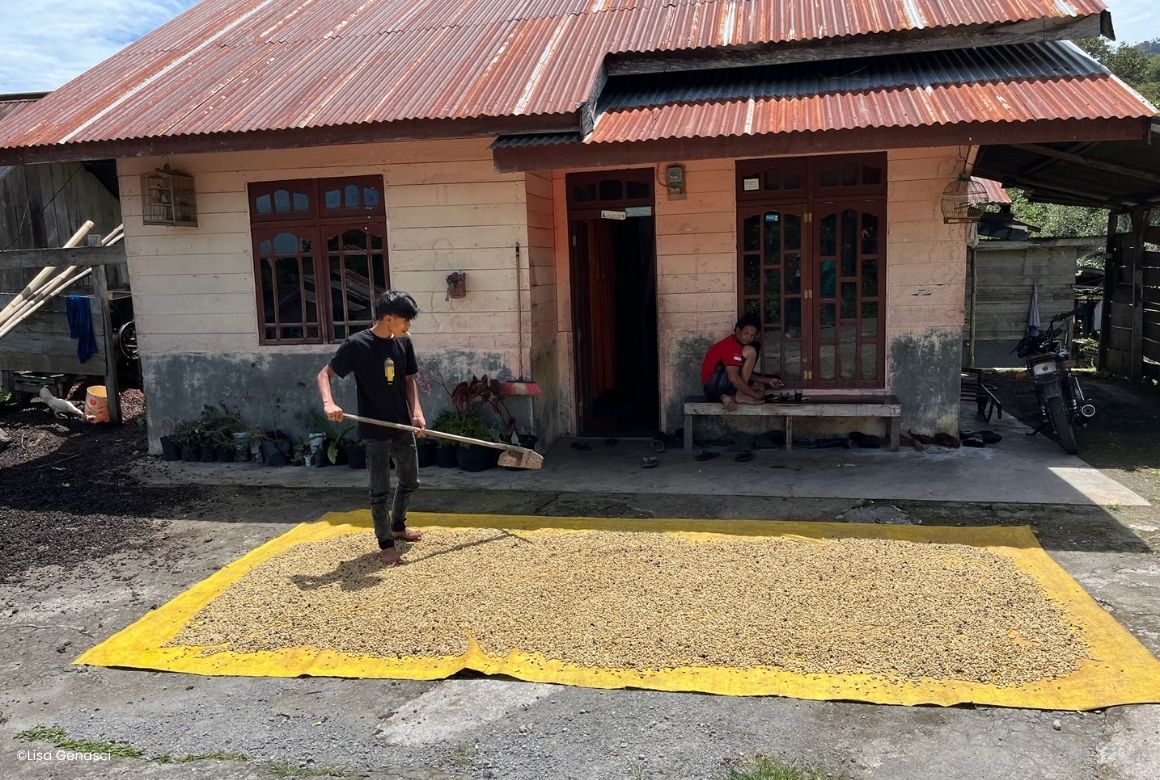
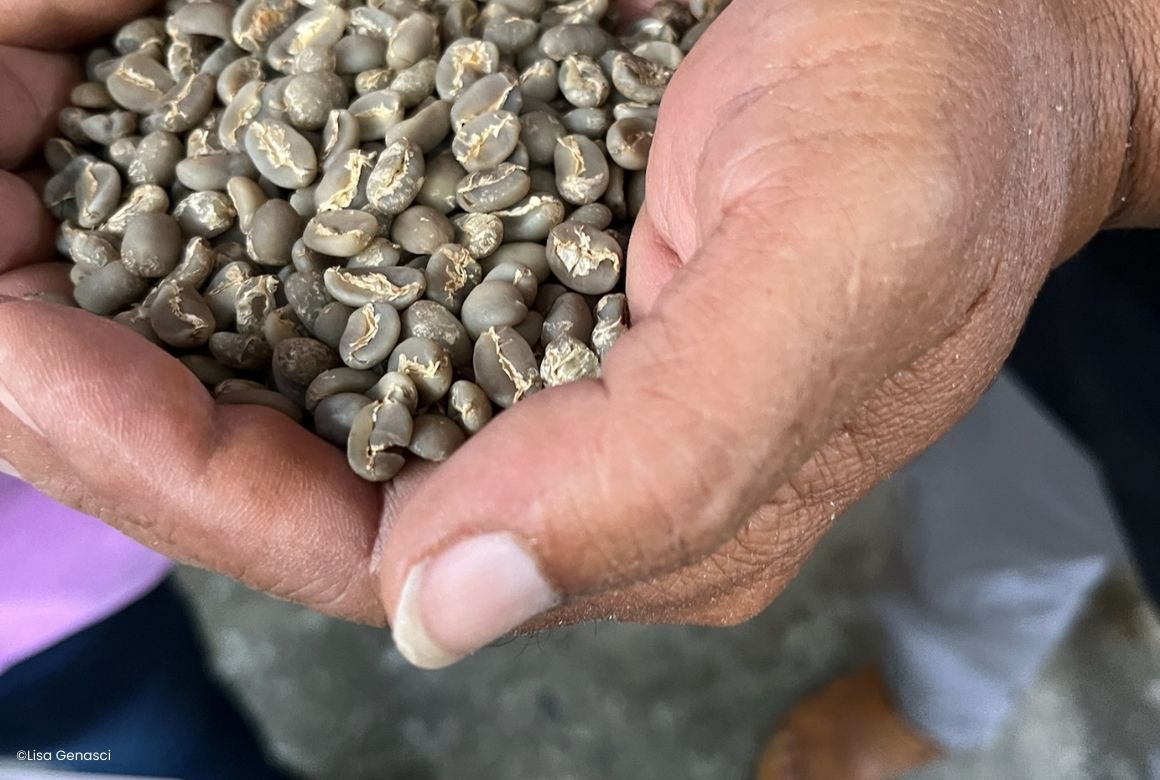
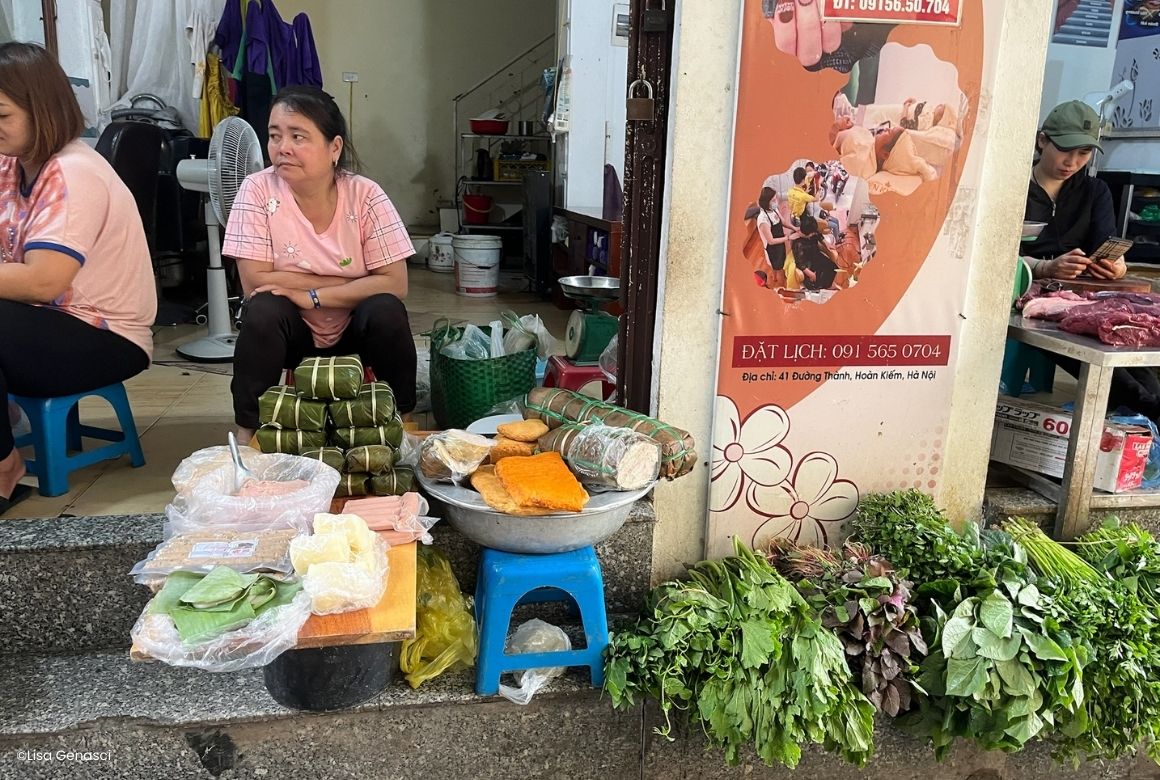
Photographers and photojournalists document the impacts of climate change, nature loss and unsustainable development—providing compelling images that inform and raise awareness. Browse our gallery and learn more below.