Shell Shock: Hong Kong’s Role in the Turtle Trade Crisis
June 22, 2026
Hong Kong Wildlife Trade Strives for Sustainability: Implementing CITES
February 10, 2026


Our response
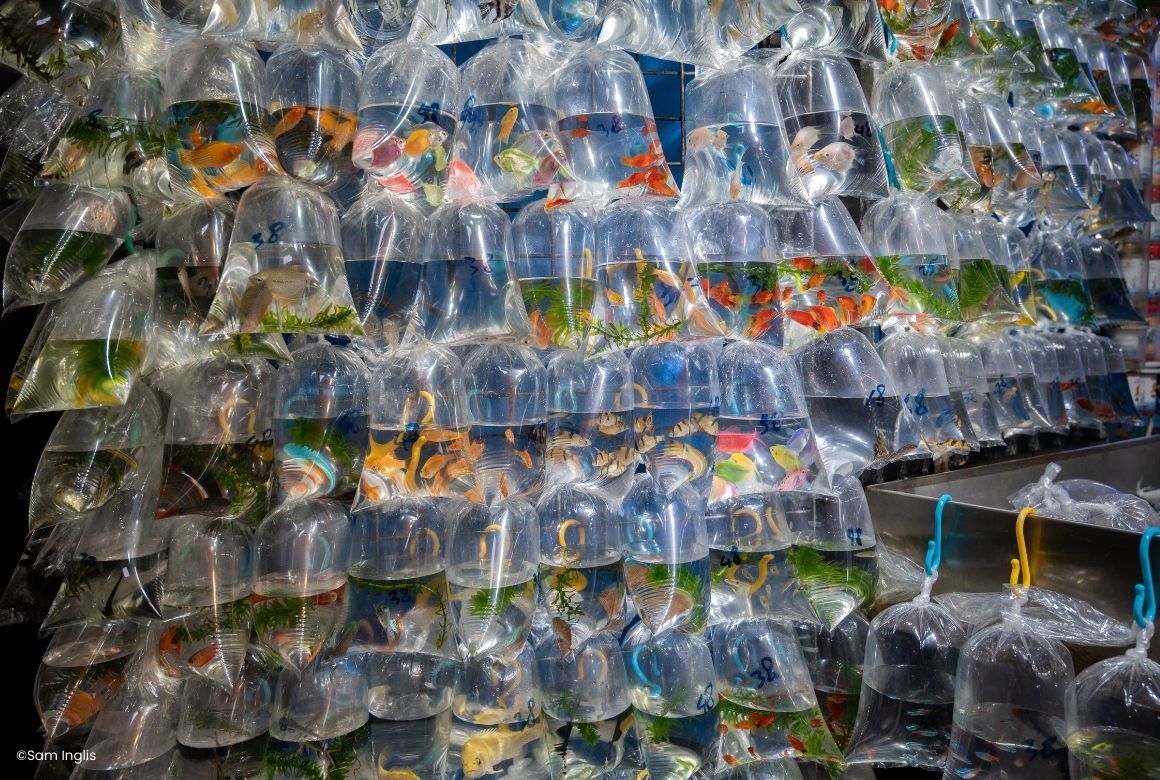
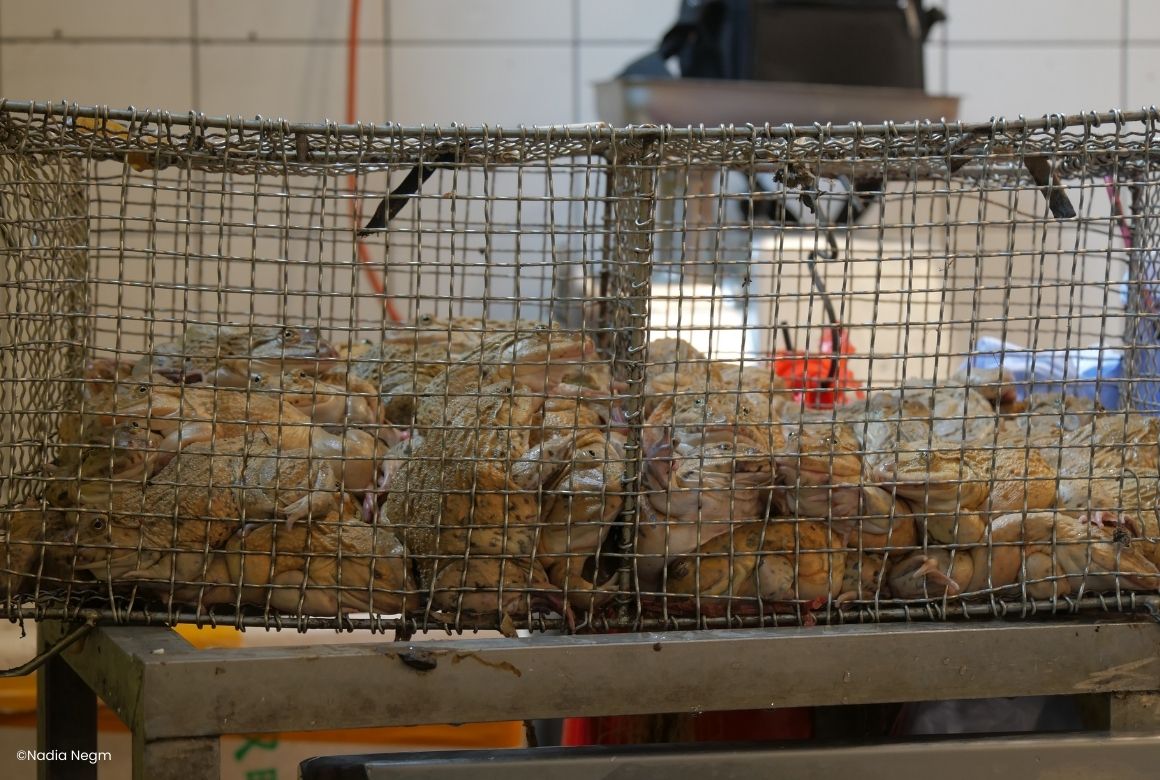
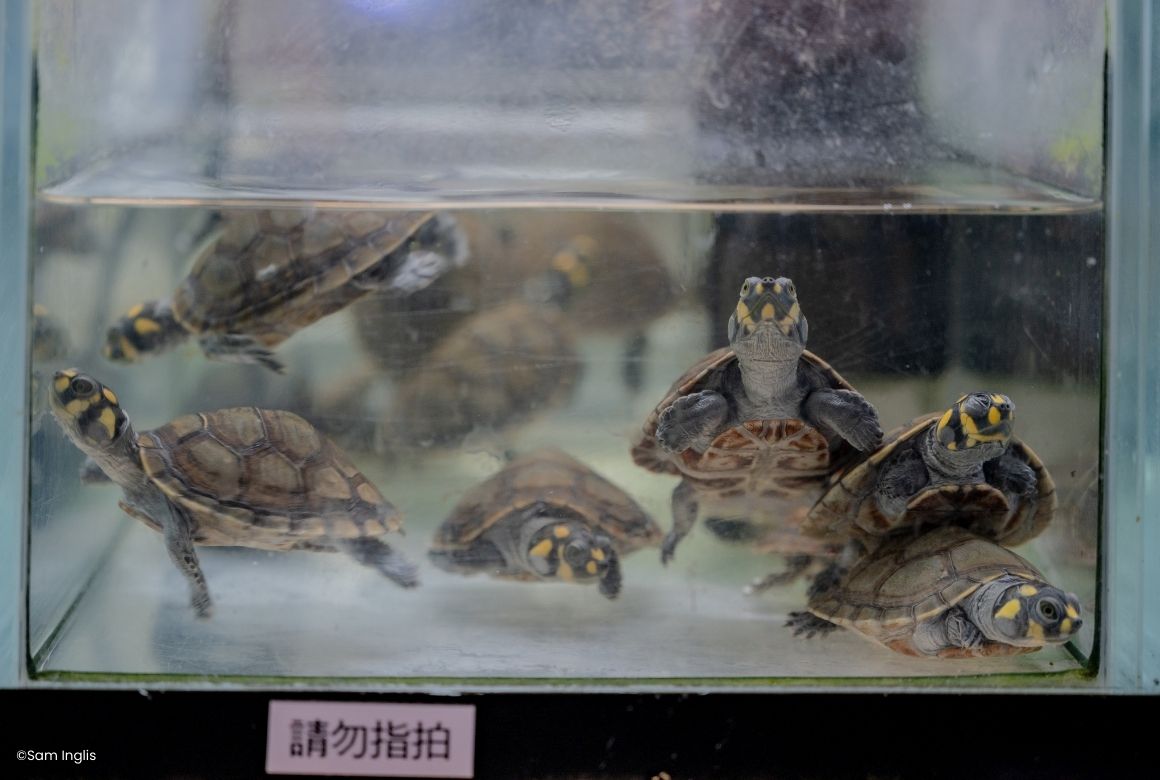
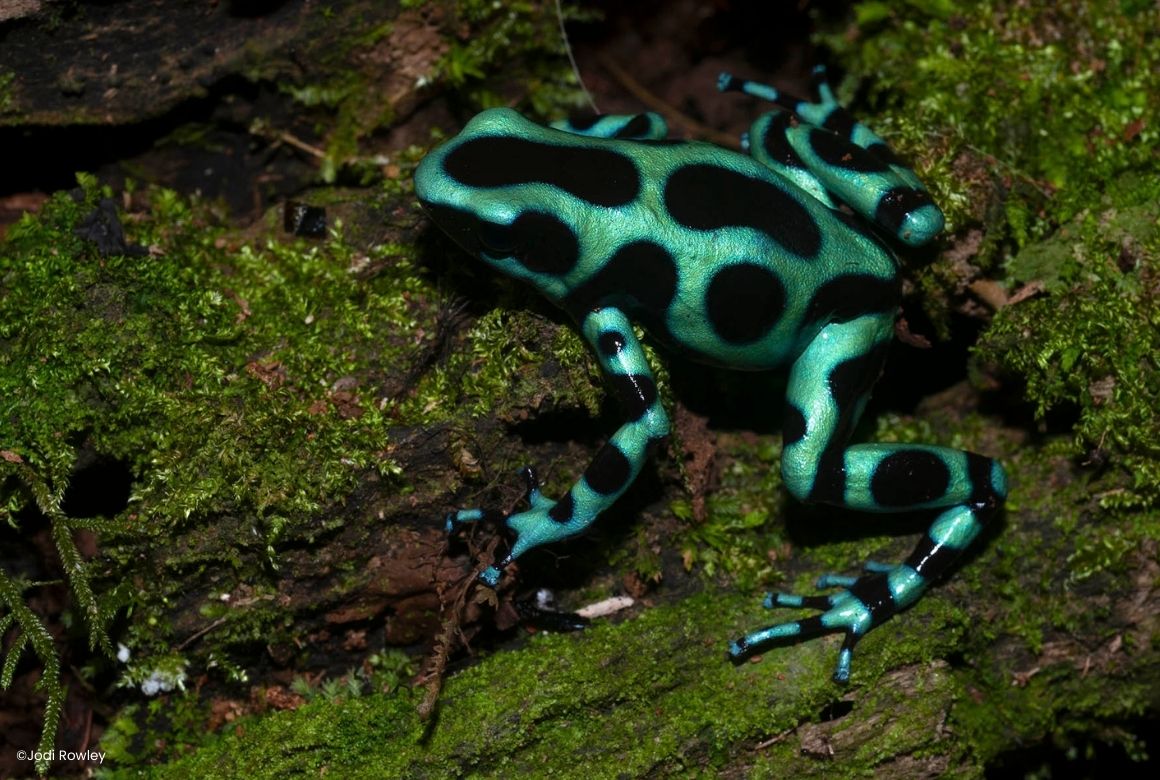
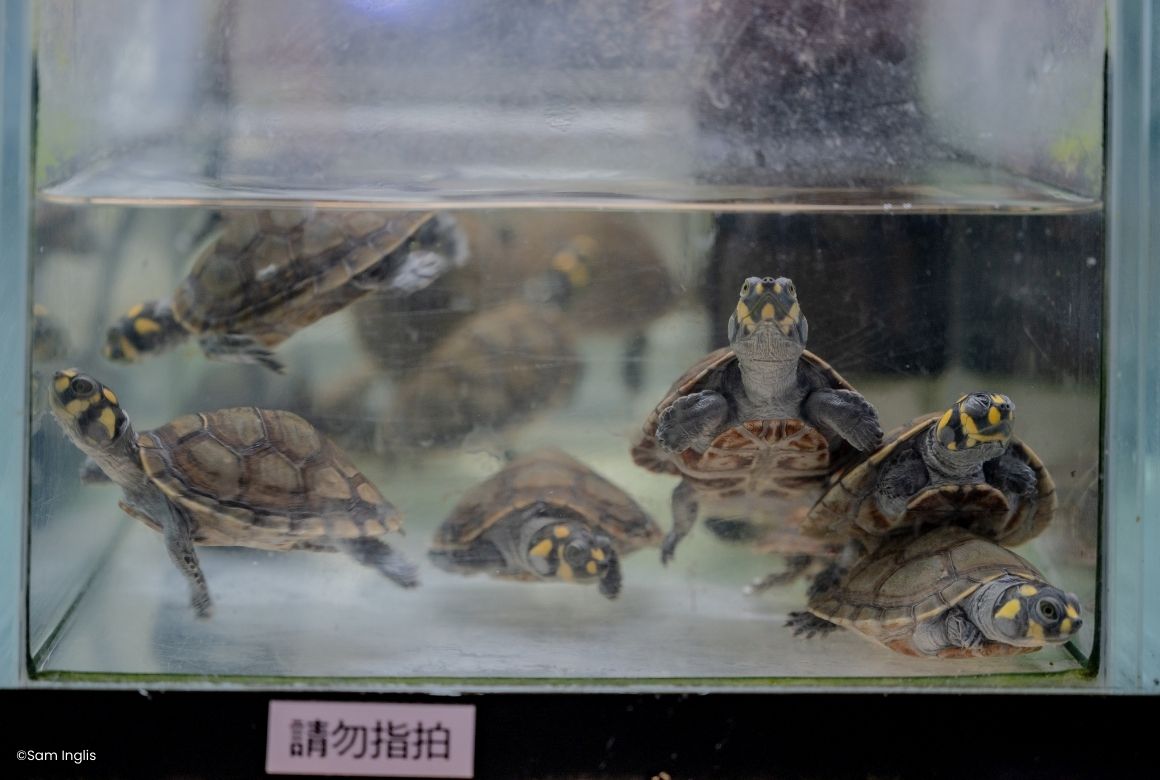
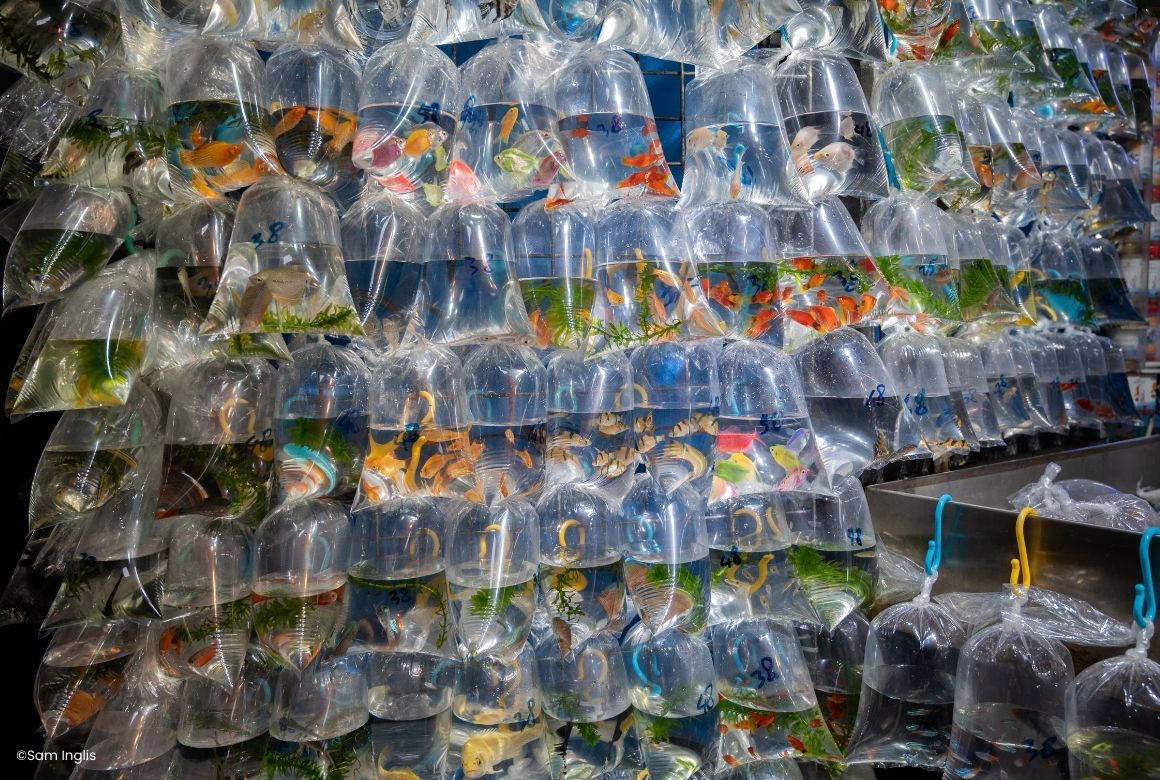
To better understand the issue and inform our strategy development, ADMCF conducted extensive in-house research, culminating in the 2022 report ‘Wild, Threatened, Farmed: Hong Kong’s Invisible Pets’. The report revealed the scale and nature of Hong Kong’s exotic pet trade, highlighting critical concerns related to biodiversity loss, animal health and welfare, public health, and working to address persistent gaps and regulatory improvements.
The report is the first step in developing a strategy to address this unsustainable trade in threatened species, which includes supporting policy changes to tackle persistent gaps in Hong Kong’s legal framework. Ongoing dialogues with Government and Legislative Council members, alongside a comprehensive legal review, aim to identify viable pathways to ensure trade is in suitable species, safe for humans and animals, and no longer contributing to global biodiversity decline.


Our response
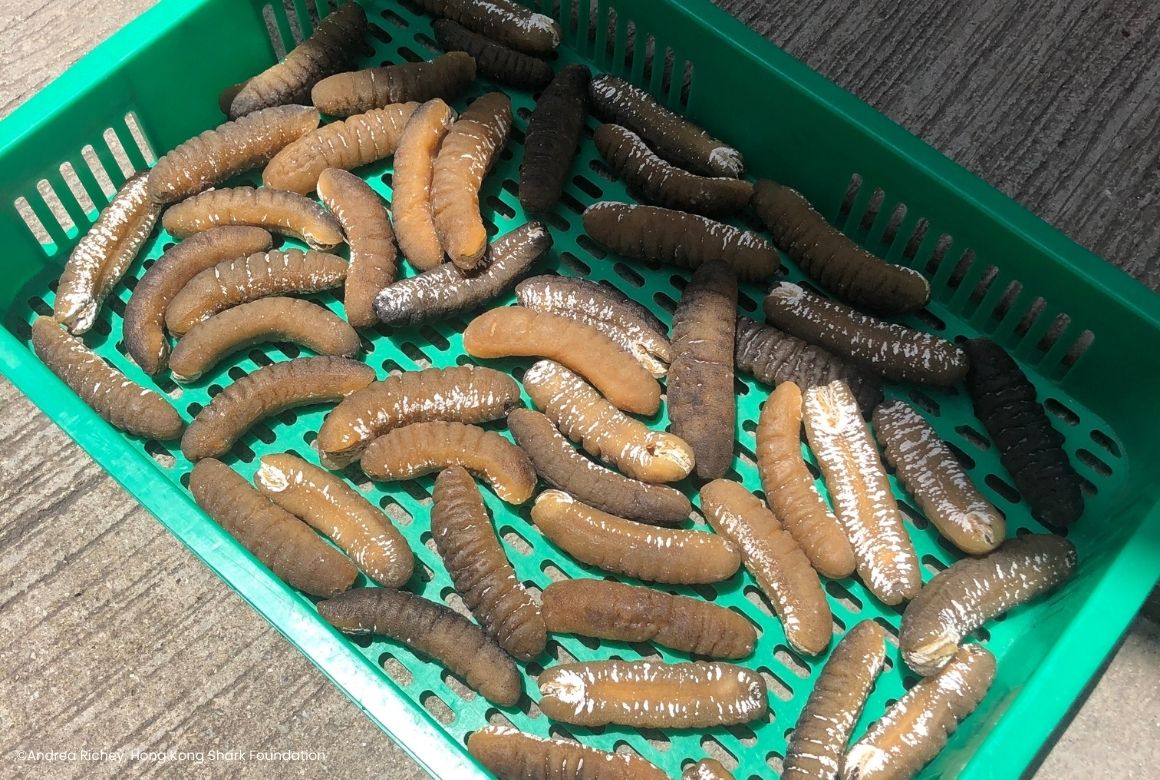
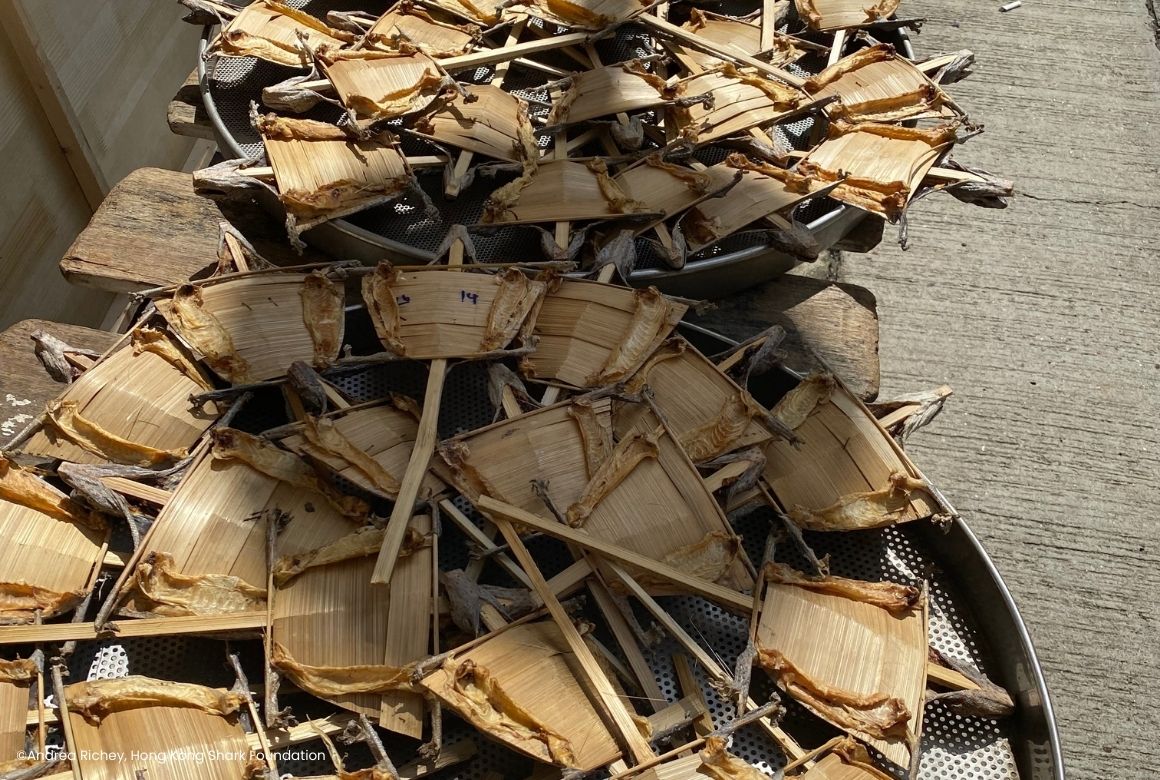
ADMCF supports and conducts research through its work with BLOOM HK to fill knowledge gaps that are crucial for driving conservation action. Originally focused on combating the unsustainable nature of the shark fin trade, this work has expanded to fish maw and sea cucumber. We have compiled and maintained decade-long datasets on the trade of these products into Hong Kong, tracking trends and identifying key players in an opaque sector. By combining comprehensive trade statistics with our research findings, we help develop targeted conservation strategies, such as prioritising at-risk species that are heavily traded for local and international regulatory action.
In 2023, we organised the first global online workshop on fish maw fisheries and trade, uniting experts from 20 jurisdictions to share cutting-edge insights and develop management recommendations. We have also joined partners in raising concerns within international fora including the Convention on International Trade in Endangered Species of Wild Fauna and Flora (CITES). Through ongoing research and outreach, we aim to shine a spotlight on these understudied yet critical mainstays of the dried seafood industry and improve regulation of trade.
Our response
ADMCF is addressing the illegal trade in Humphead wrasse (Cheilinus undulatus) through research, supporting stronger regulations and collaborating with international and national partners. By analysing trade data, reviewing policy, examining transportation routes and monitoring vessel movements, ADMCF is developing strategies to enhance enforcement and identify policy interventions in Hong Kong, and within CITES. These efforts aim to disrupt illegal supply chains, safeguard wild Humphead wrasse populations, and promote sustainable, traceable trade practices.
Our response
With many of these fins slipping under the radar, we believe enforcement can be strengthened by introducing wildlife shipment forfeiture measures similar to those used for drug seizures. This would allow entire shipments to be forfeited, even if not all contents are illegal, significantly increasing deterrence–sending a clear message that crime does not pay. We are currently working to determine the feasibility of such a change.

Our response
In 2020, ADMCF launched the Global Initiative to End Wildlife Crime (EWC) alongside partners such as the African Wildlife Foundation, Born Free Foundation, Freeland, Global Environmental Institute (GEI), the International Conservation Caucus Foundation (ICCF), and the Food and Land Use Coalition (represented by SYSTEMIQ). EWC is a global alliance of environmental, policy, legal, business, and public health experts and organisations from every continent, working to address critical gaps in international and national legal frameworks for combating wildlife crime and regulating wildlife trade. Hosted by ADMCF and chaired by John Scanlon AO (former CITES Secretary-General), EWC provides technical support to: establish a new protocol under the UN Convention against Transnational Organized Crime (UNTOC) to address wildlife trafficking; support UN resolutions on combating illicit wildlife trafficking; integrate public and animal health criteria into relevant international conventions, including through a robust Pandemic Agreement; and adopt national measures to minimise the risk of pathogen spillover at the source (primary prevention).





Our response
Given the near-universal adoption of CITES, efforts to improve traceability, strengthen regulation, enhance enforcement, and promote sustainability in the international wildlife trade must align with this critical framework. Civil society organisations (CSOs) play a critical role in the work of CITES, with the IUCN playing a leading role in its founding. Despite the impact and importance of Asian nations as both range states and demand centres, Asian CSOs have long been underrepresented in CITES proceedings.
ADMCF has been working to bridge this gap. Working alongside the Species Survival Network (SSN), we are driving conservation initiatives, improving oversight, and fostering better information-sharing between Asian stakeholders, the CITES Secretariat and Member States. As Asia hosts 38 of CITES’ 184 Member States and is one of the planet’s most biodiverse regions, we are dedicated to ensuring Asian perspectives are heard and integrated into CITES processes, helping to prevent unsustainable exploitation and protect the region’s rich natural heritage.

Our response
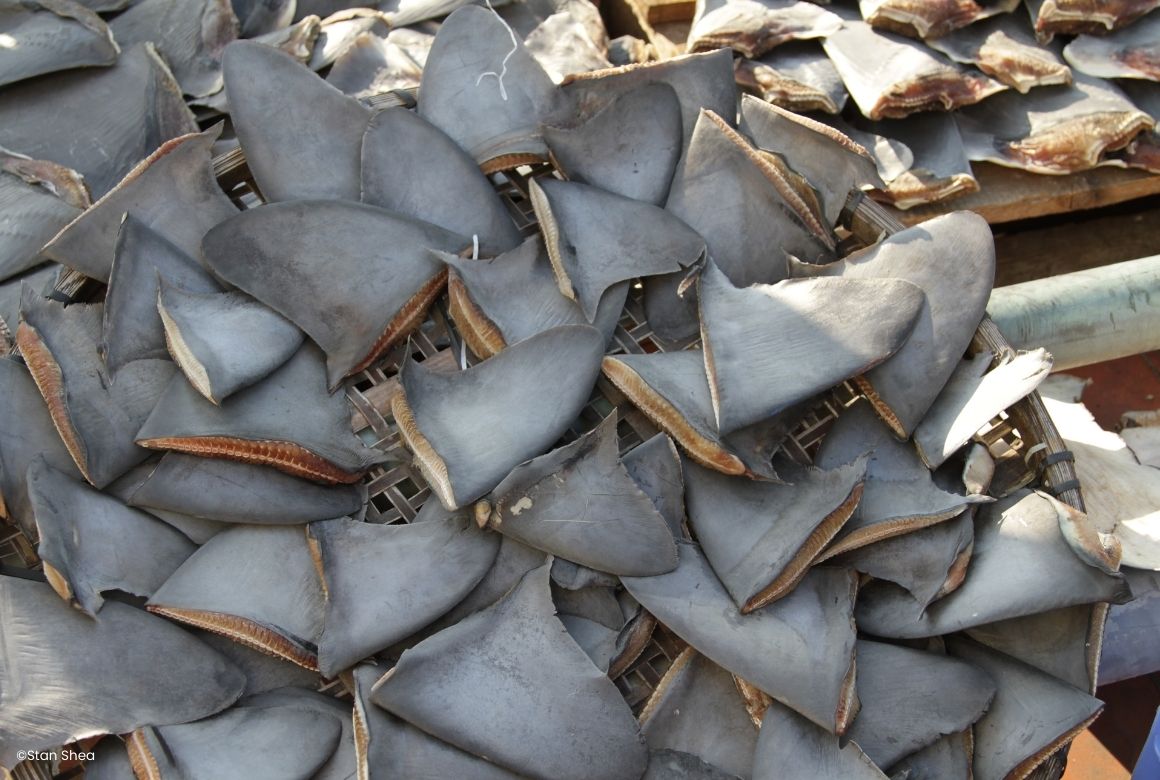
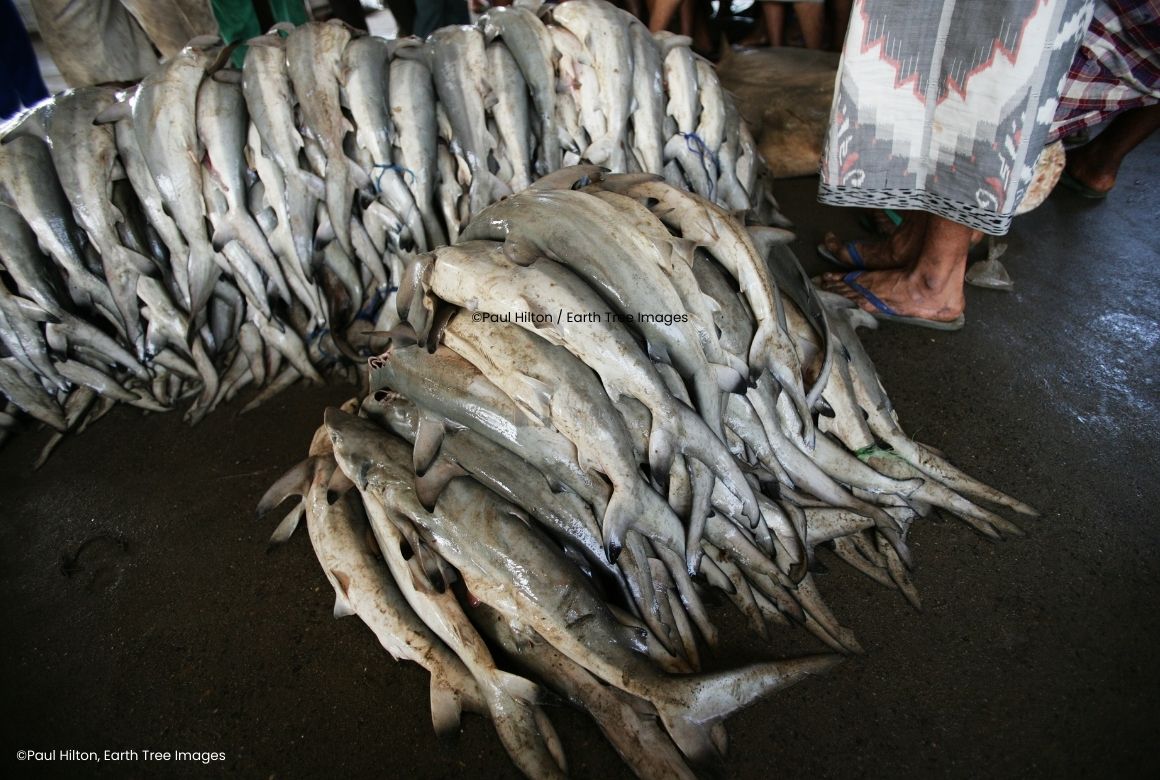
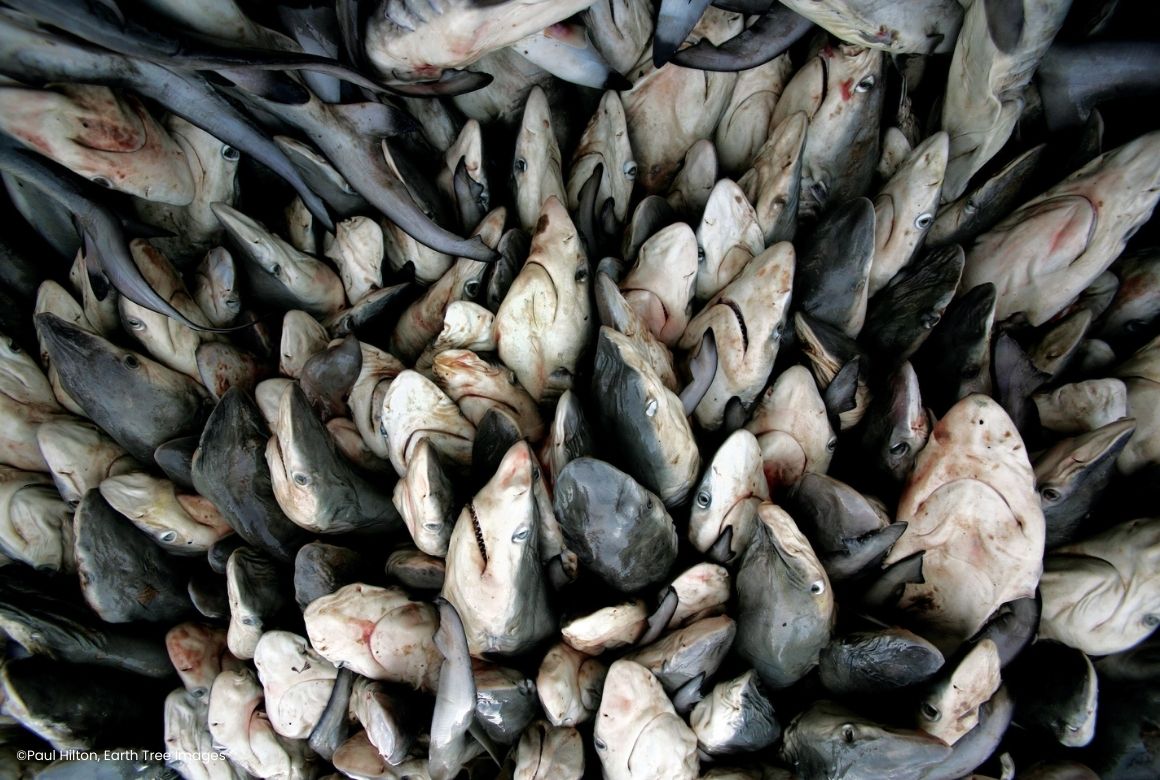
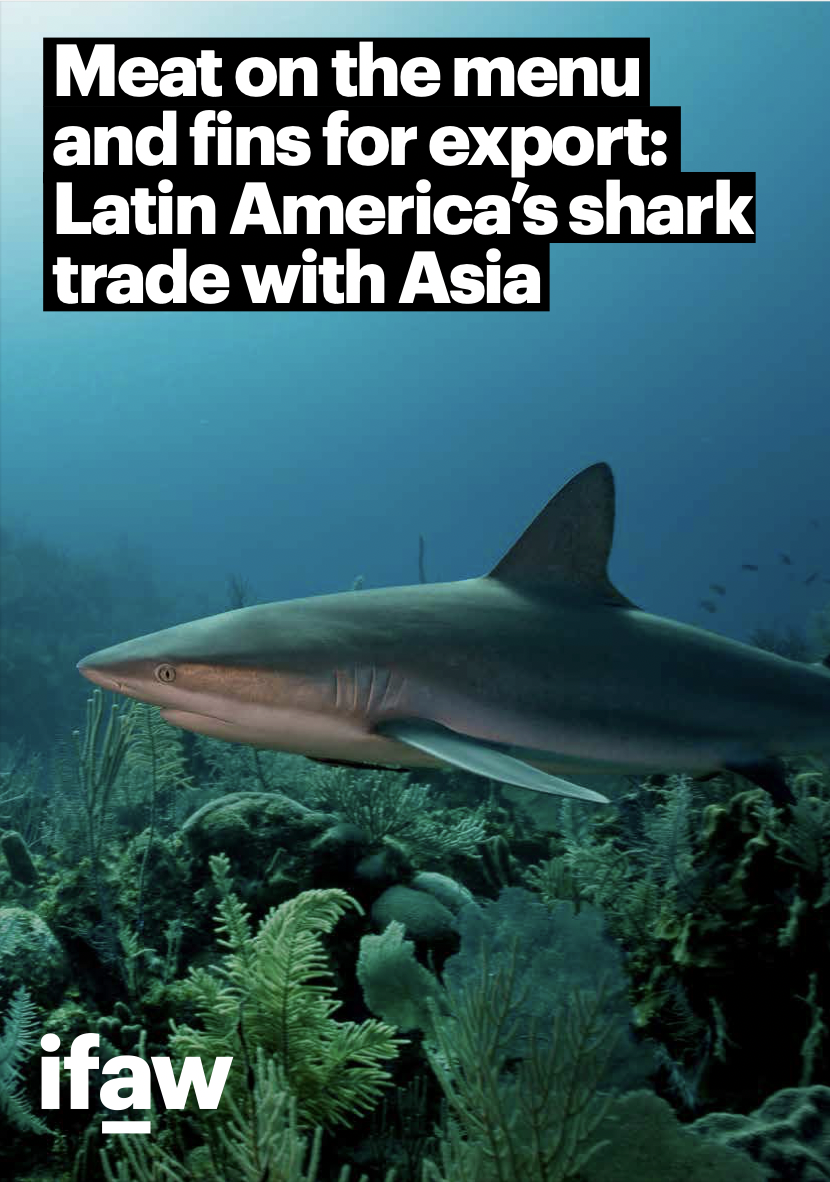
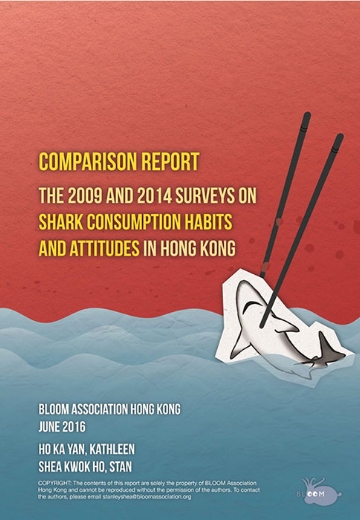
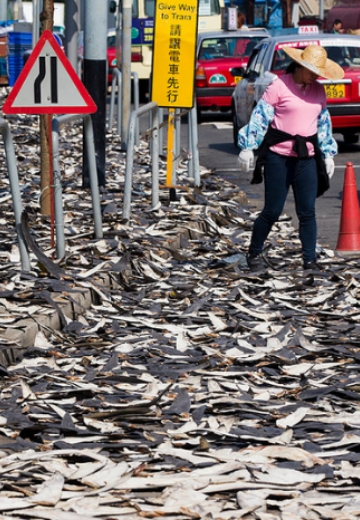
Exploring the regulatory gap in the trade of small fins, we part-funded research that sampled approximately 4,000 small fins in Hong Kong. Our findings revealed that 75% of these fins came from small shark species, such as the Milk shark, and 58% were found to be threatened with extinction.
Using these research findings, we continue to focus on identifying the species most at risk and developing tools for better species identification and enforcement strategies. Noting that many of these species had not been included in previous surveys of shark fins in Hong Kong, which focused primarily on larger species, the research highlighted a gap in CITES regulations, with 19 threatened species—mostly from the Triakidae family—being traded without oversight. In response, we are working to ensure that these species are included in CITES regulations.
Our response
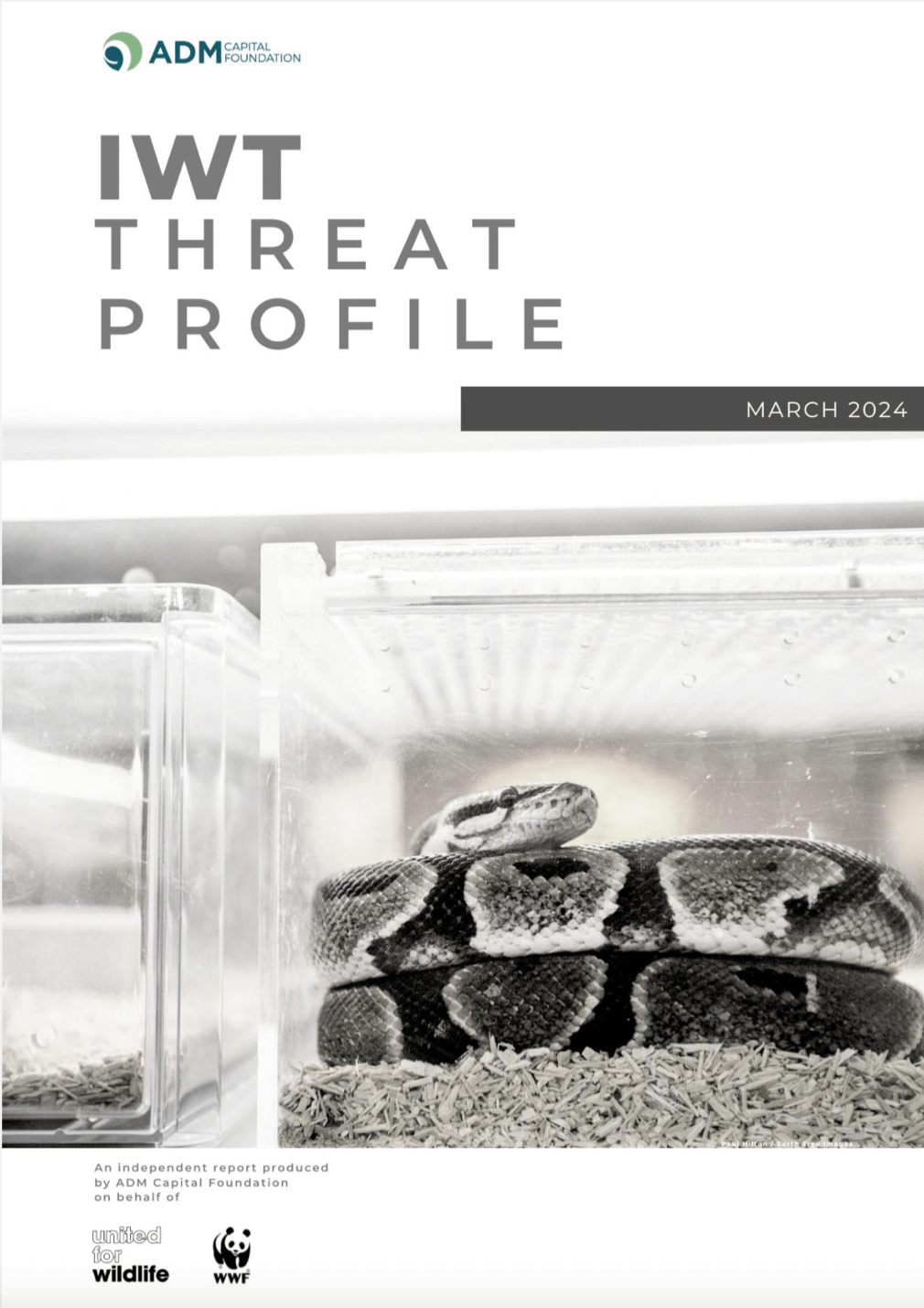
We engage with the financial sector and regulators to enhance the consideration and application of Cap. 455, the Organized and Serious Crimes Ordinance (OSCO), in wildlife trafficking cases. We work to raise awareness within the sector and relevant regulatory bodies to improve the detection rate of these offences, increase the filing of transaction reports, and emphasize risks and enforcement measures. We have shared insights with industry associations, including ACAMS, GCFFC, United for Wildlife Financial Taskforce, and the Wolfsberg Group. Additionally, we co-develop resources like the IWT Threat Profile for Hong Kong and utilize insights from the WiPS Database and the Seizure to Sentencing (S2S) initiative.
Since 2023, we have been co-developing with AML Analytics and KPMG an innovative red flag-testing solution and risk model for financial institutions in Hong Kong and Asia more broadly, to assist in their detection of wildlife-related financial crime.

Our response
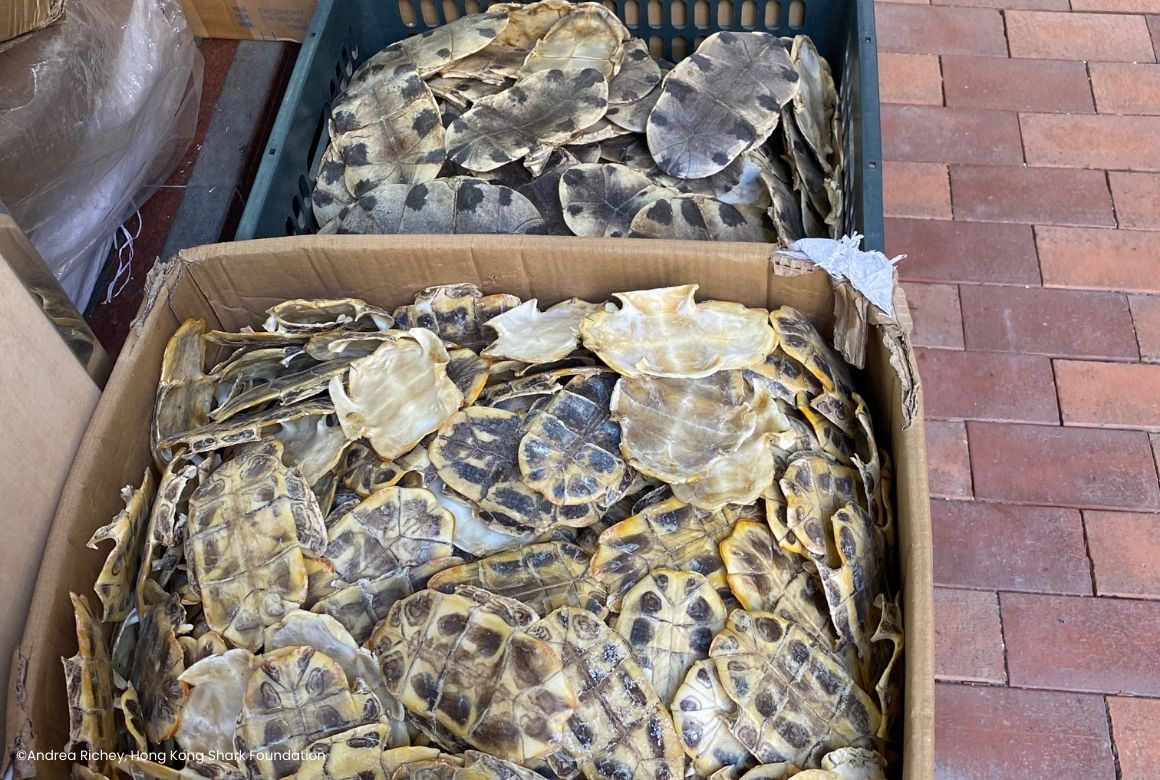
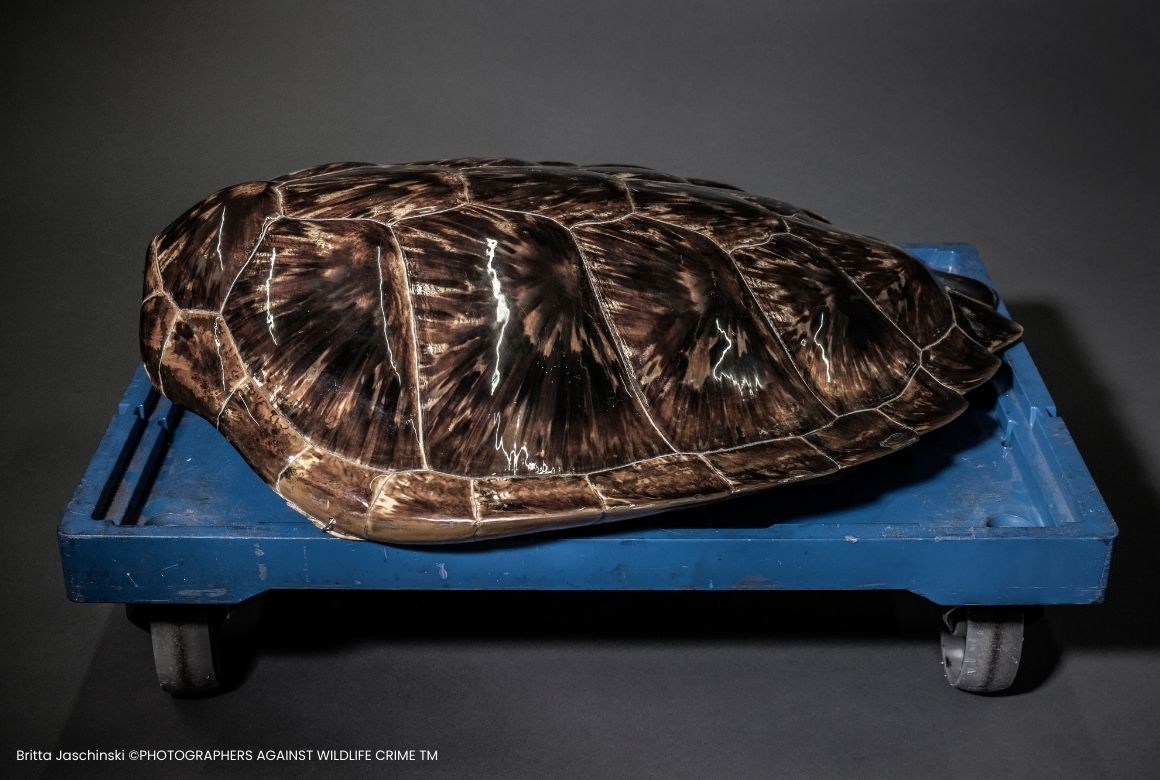
Recognising the urgent need for action, ADMCF is working with local experts who are monitoring freshwater turtle populations, monitoring poaching hotspots and tracking online trade. Together, we are promoting stronger responses from law enforcement, the conservation authorities and lawmakers to address this pervasive issue. By sharing insights from court observations, footage of hunting gangs in action and advocating for increased police engagement, we aim to keep all stakeholders informed and mobilised to combat poaching effectively.

Our response
ADMCF has actively supported the Hong Kong Government and local lawmakers in strengthening the city’s wildlife trade regulation and enforcement. We have united civil society through coalitions, such as the Hong Kong Wildlife Trade Working Group, to support Government and legislator-led reforms including the 2018 increase in penalties for wildlife-related offences, the ivory ban, and the 2021 amendment to classify wildlife crimes as organised and serious offences.
Since the amendment was enacted, seizure values in Hong Kong have surged, reaching HKD1.6 billion (USD206 million) in 2023, alongside increased recognition of wildlife trafficking syndicate involvement. We continue to collaborate closely with local and international enforcement agencies, promoting deterrent sentencing and supporting efforts to ensure that wildlife trade in the city is legal, safe, and sustainable, contributing to global biodiversity protection.
Our response
Over the past decade, ADMCF has built an extensive repository of data on wildlife crimes in Hong Kong. Initially developed for our Trading in Extinction report series, the database now documents tens of thousands of data points relating to more than 800 wildlife seizures since 2013, offering unparalleled insights into the nature of wildlife trafficking taking place in the city. This initiative is further supported by our Seizure to Sentencing (S2S) initiative, integrating insights from our observations of cases as they progress through Hong Kong’s legal system.
Our response
Since 2016, we have attended wildlife crime hearings at the Magistrates and District Courts to understand how Hong Kong’s criminal justice system addresses these offences in practice. Over the years, we have gained unique insights into the application of wildlife trafficking laws, the impact of legislative amendments, the evolution of judicial awareness, and law enforcement approaches. These insights inform our work with law enforcement, academics, NGOs, and private sector partners, contributing to initiatives like the Species Victim Impact Statements (SVIS) and collaborations with the IWT Data Working Group.
2020-2021
Our response
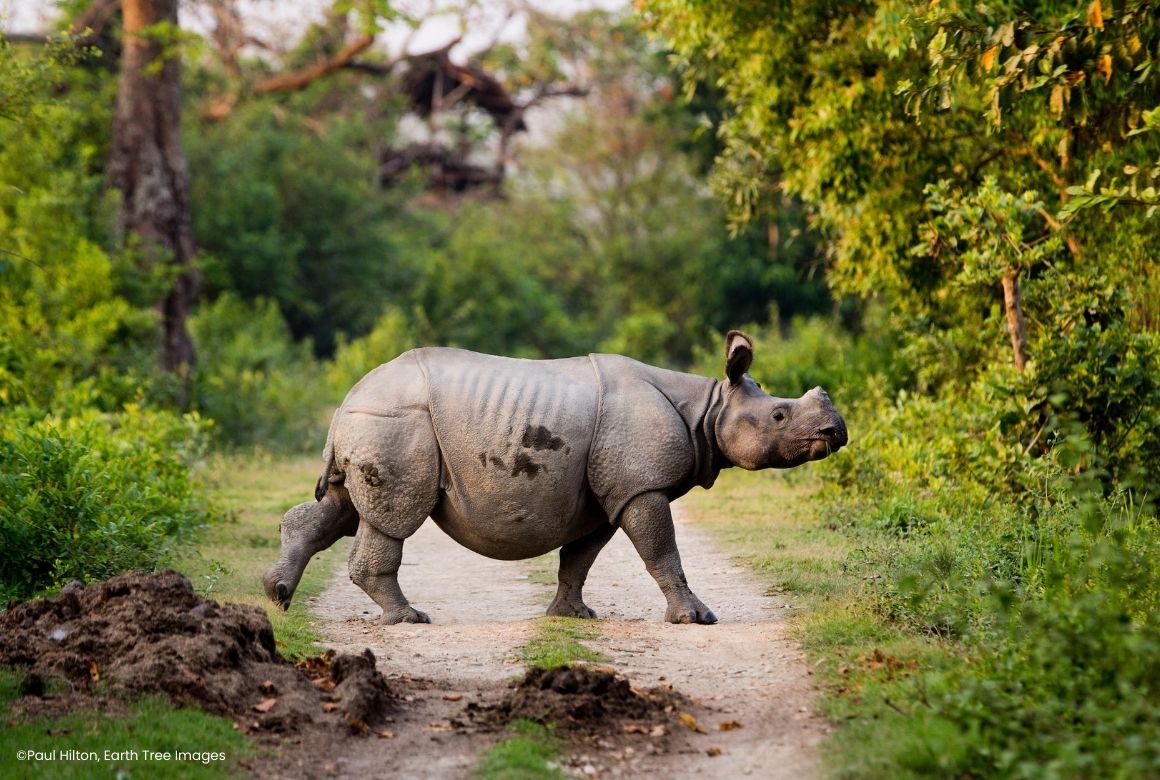
ADMCF and A.L.A.N launched the “Break the Chain” campaign, an innovative city-wide mural initiative that utilized Augmented Reality (AR) to bring street art of trafficked animals to life. The project highlighted critically endangered species such as rhinos, pangolins and sharks, using Instagram filters to engage the public and build emotional connections with the cause. The campaign aimed to raise awareness about the biodiversity at risk due to the illegal wildlife trade and to garner public support for a Members’ Bill under consideration by the Hong Kong government. This Bill sought to incorporate wildlife crime offences into Hong Kong’s Organised and Serious Crimes Ordinance (OSCO), providing law enforcement with stronger powers to tackle wildlife traffickers and deter such crimes.
Update – August 18, 2021: The Members’ Bill had its first reading in March 2021 and passed its second and third readings in August 2021. It was successfully incorporated into law, with Hong Kong lawmakers voting in favour of treating wildlife crimes as serious and organised crimes. This landmark decision demonstrated Hong Kong’s global leadership in combating wildlife trafficking and signalled a firm stance against wildlife criminals exploiting the city. The passage of the Bill was a significant achievement, made possible by the dedication of the Wildlife Trade Working Group and the foresight of Ms. Quat.


2019-2020
Our response
ADMCF partnered up with an international network of investigative journalists to tackle wildlife trafficking, with a specific focus on pangolins. The initiative, called The Pangolin Reports, aims to investigate and report on the entire trafficking chain—from poaching in source countries across Asia and Africa, to Hong Kong as a key transit hub and onto final destination countries like China, Vietnam, and Taiwan. The effort seeks to document the poaching, smuggling and consumption of pangolins, drawing global attention to the crisis and its far-reaching consequences.
Through this coordinated approach, the Global Environmental Reporting Collective is producing a multimedia series to bring the issue into the spotlight. This initiative has the potential to shift public and political attitudes toward wildlife trafficking, and if successful, could be adapted to address broader wildlife trade challenges worldwide.

2012-2012
Our response
ADMCF supported Fran Lambrick’s powerful documentary about Chut Wutty, a celebrated Cambodian forest activist who was murdered while fighting against illegal logging in the Prey Lang forest. The documentary not only chronicles Wutty’s life and legacy but also shines a spotlight on the ongoing battle of Prey Lang activists to protect Cambodia’s precious natural resources from industrial exploitation. The film aimed to raise awareness about the risks faced by environmental defenders and the importance of supporting their efforts to safeguard the environment for future generations.
2007-2009
Our response
ADMCF assisted in the establishment of a trust fund to support the conservation efforts of Fauna and Flora International (FFI) and Conservation International (CI) in the Cardamom Highlands. The trust fund aimed to secure a sustainable budget for managing the area’s conservation activities, including policy enforcement, monitoring, and law enforcement, with disbursements linked to measurable conservation targets. Although FFI later decided not to continue its protection efforts in the Cardamom wildlife sanctuaries, the Global Conservation Fund (GCF) and CI took forward the research and fund design, leading to the successful establishment of the Cardamoms Trust Fund in 2015.
2016-2019
Our response
Legal Seminar 1.0 ‘Wildlife Crime: What more can Hong Kong do?’
In March 2016, ADMCF and the Law Faculty of the University of Hong Kong, hosted a legal seminar that highlighted and examined Hong Kong’s role as a major conduit for trade in threatened species. Expert international and local panelists including the HKSAR Government Undersecretary for the Environment, John M Sellar, Valmik Thapar, a High Court Judge and representatives from Hong Kong’s enforcement agencies (Customs & Excise and Agricultural fisheries and Conservation departments) identified the challenges and opportunities Hong Kong must address, if it is to play an effective role in the growing international effort to combat wildlife crime.
Legal Seminar 2.0. and Training: ‘Tipping the Scales against Hong Kong’s Illegal Wildlife Trade’:
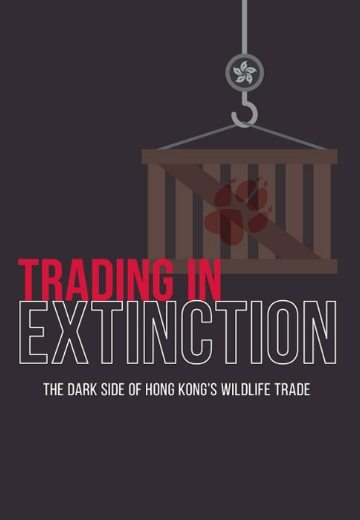
In January 2019, to coincide with the release of the report ‘Trading in Extinction’, ADMCF held a legal seminar in Association with Denis Chang’s Chambers, 23 Essex Street Chambers, Blackstone Chambers and the Centre for Comparative and Public Law of the University of Hong Kong. The seminar, gathered data, views and opinions from leading wildlife experts, investigators, government representatives, lawmakers and legal professionals that highlighted the urgency and continued need to combat the illegal wildlife trade. In doing so it examined the evolving situation in Hong Kong, as well as the implications of Hong Kong’s recent (2018) legislative amendments and what more needs to be done if the city is to respond effectively to its role in the global extinction crisis.
The opportunity was also taken for QC Mark Fenhalls of 23 Essex Street Chambers, to present on the prosecution challenge to the enforcement authorities, the Department of Justice and the judiciary via the Judicial Training Institute.

2013-2022
Our response
In 2013, SupportHK, an initiative of the ADMCF, was launched to address Hong Kong’s environmental challenges by creating the city’s first dedicated environmental petition platform. The platform allowed people from all walks of life to sign and start petitions, giving a collective voice to tackle pressing environmental issues. By uniting individuals to share ideas and support one another, the platform empowered citizens to drive meaningful change and work towards a better environment for all.
Since its launch in 2013 to the end of 2022, SupportHK hosted 144 petitions. Urban planning was the most popular concern representing 60% of total petitions, with ‘opposition to the East Lantau Metropolis’ obtaining the largest number of signatures (7,947).


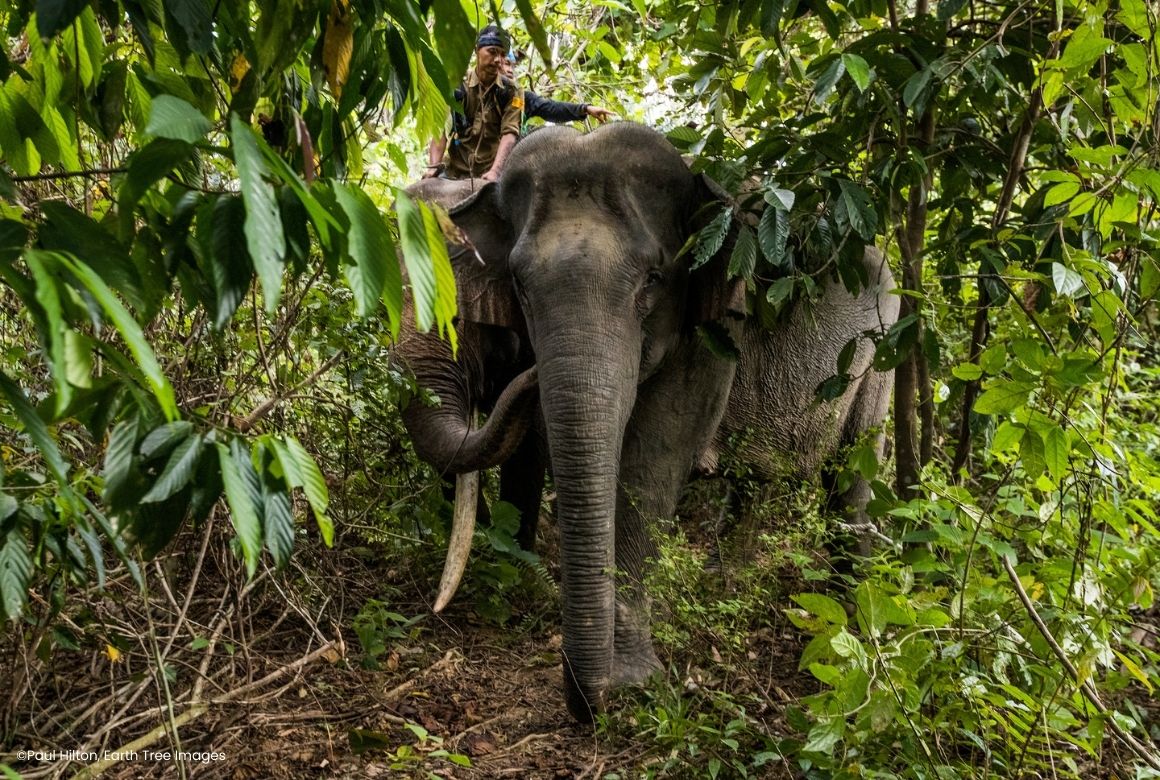
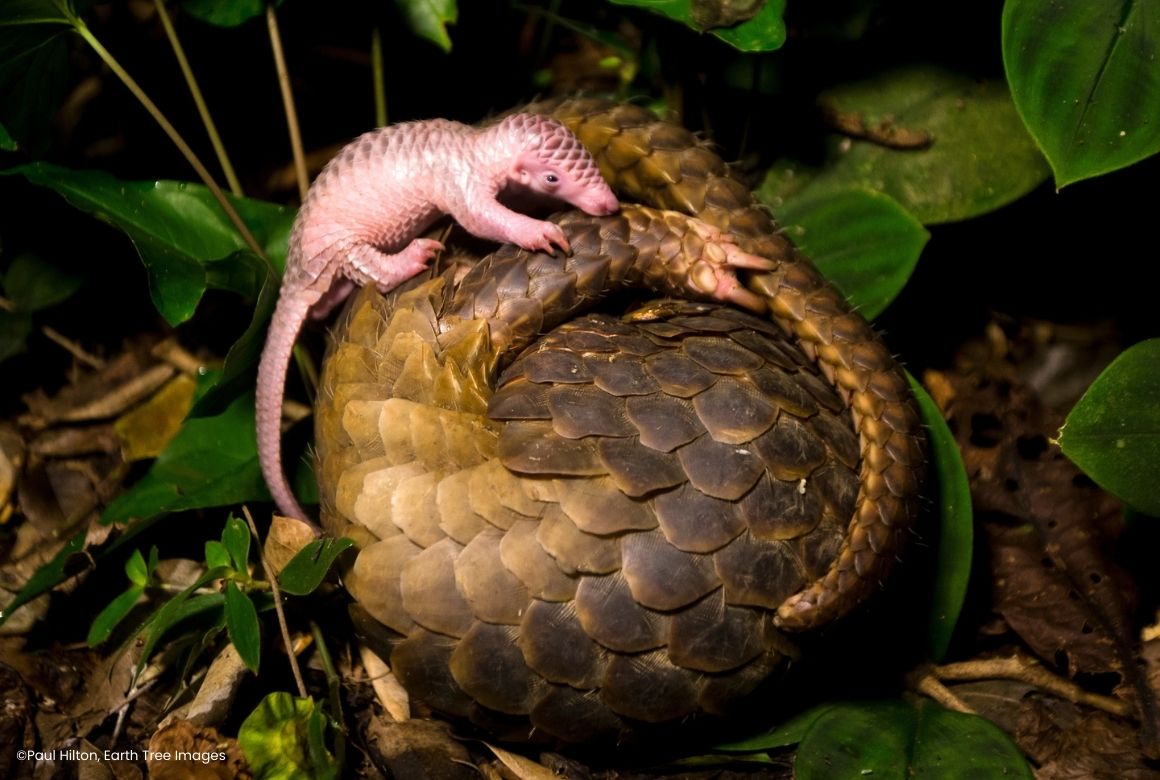
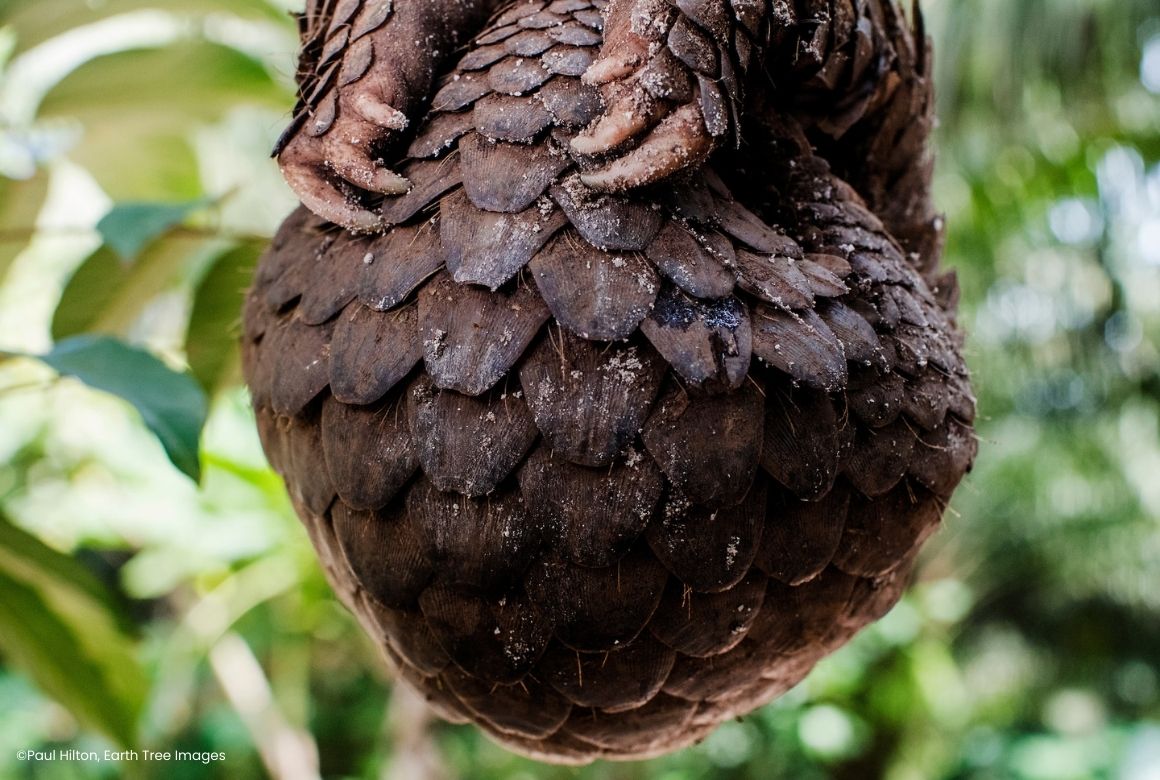
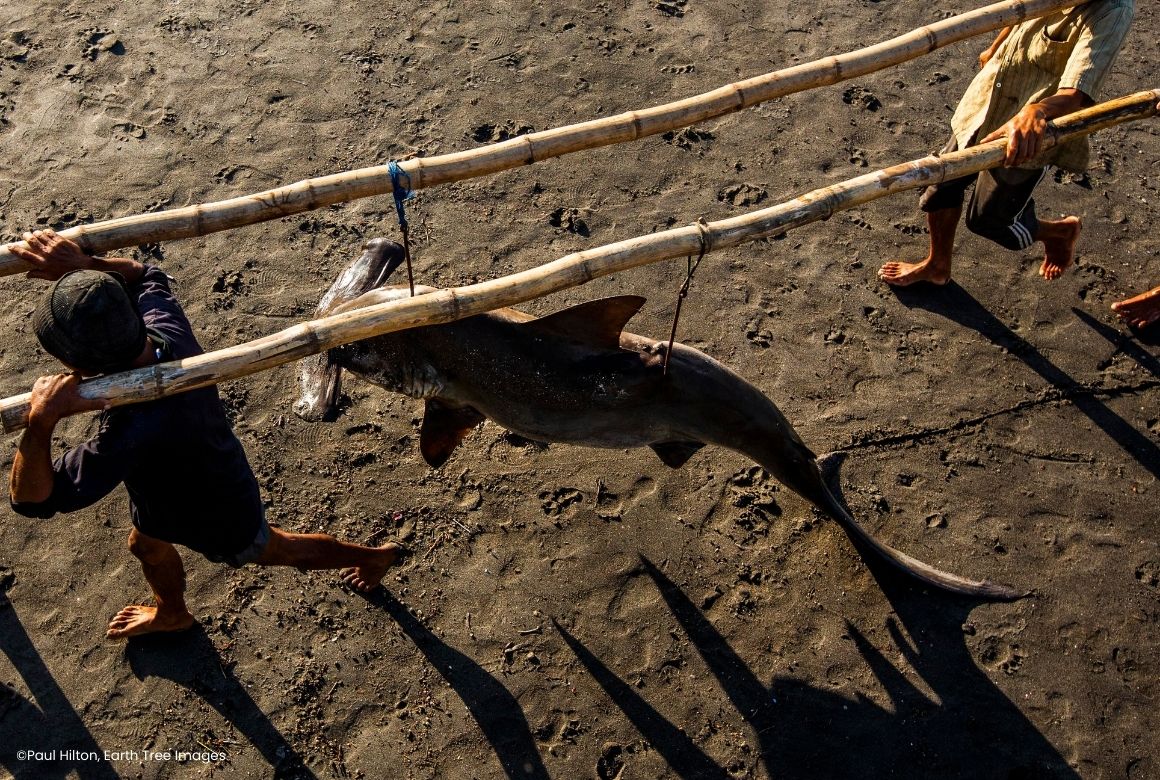
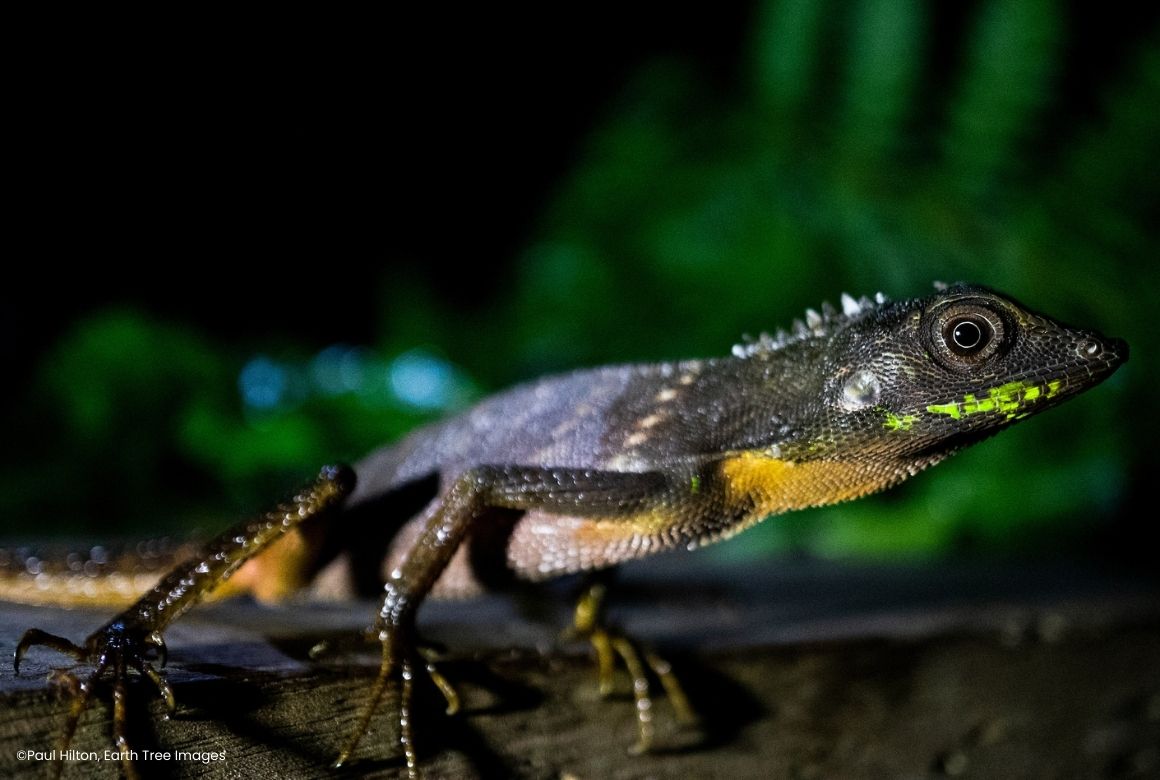
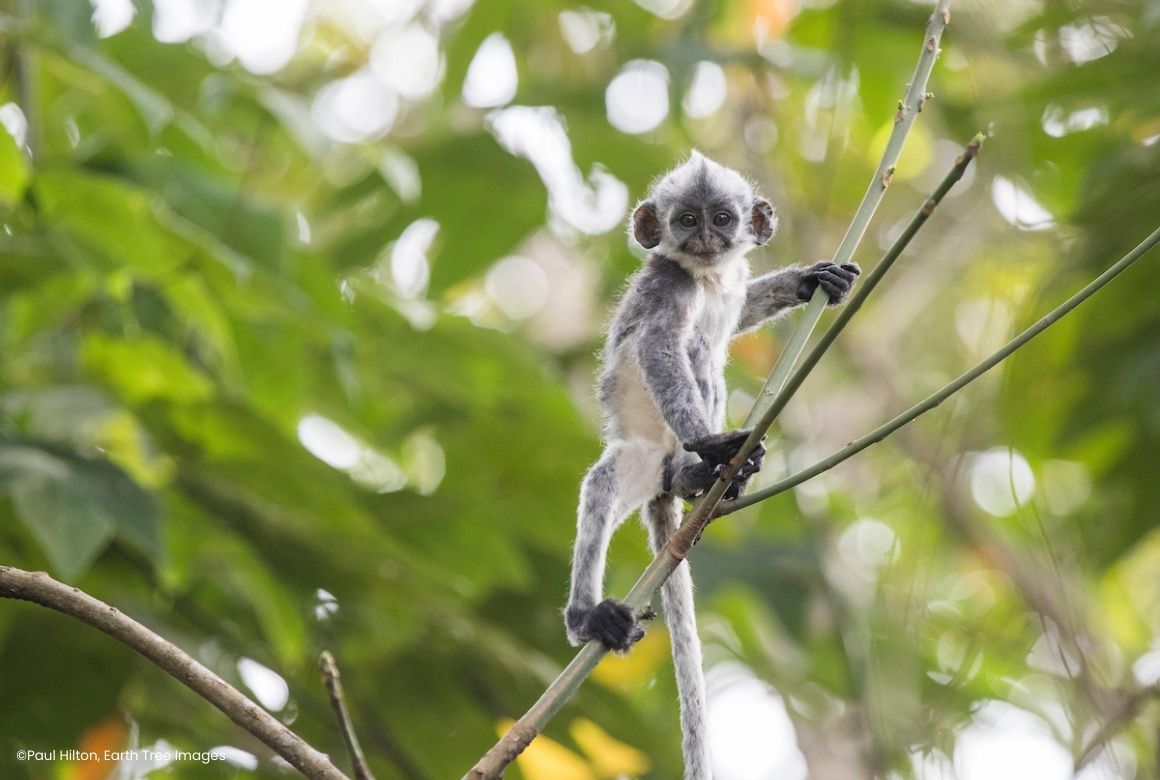
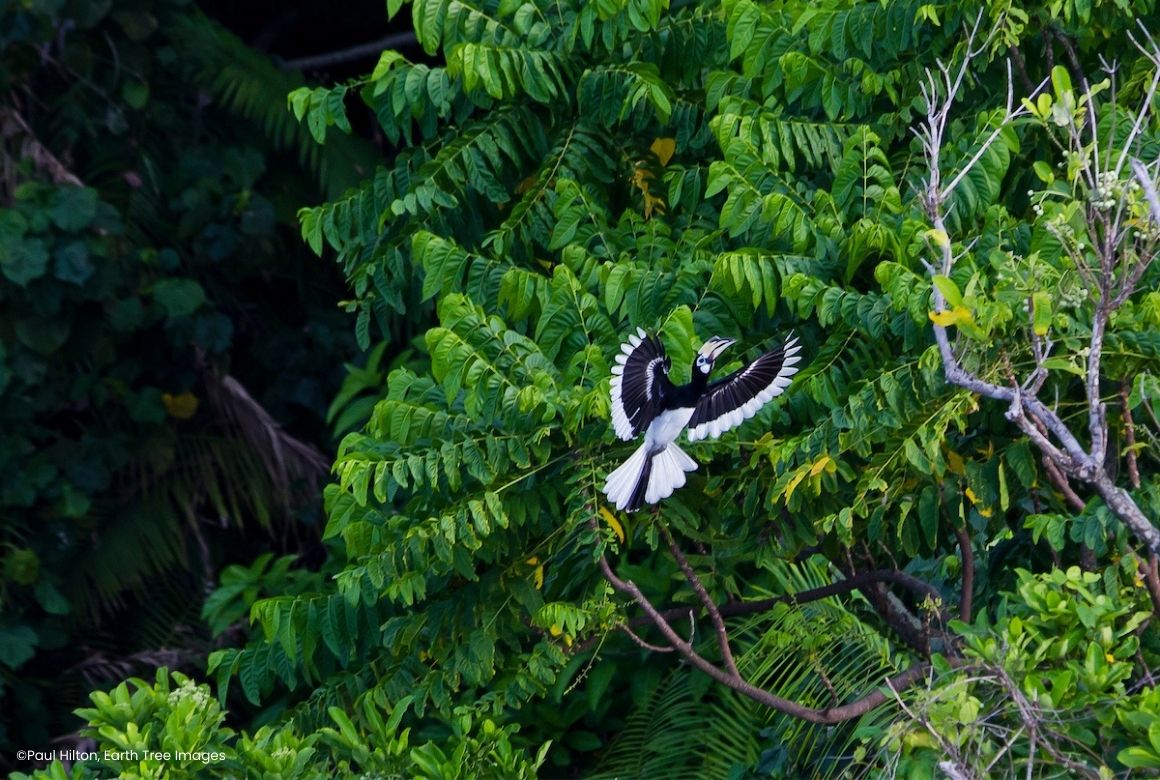
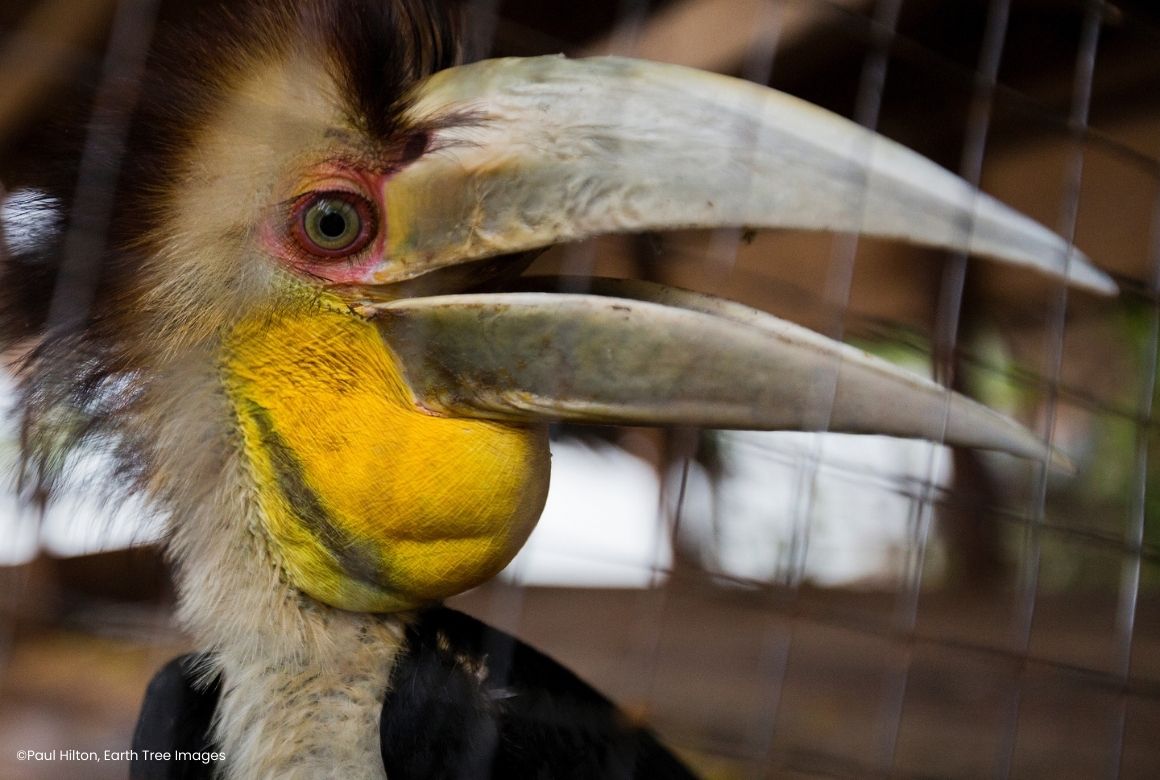
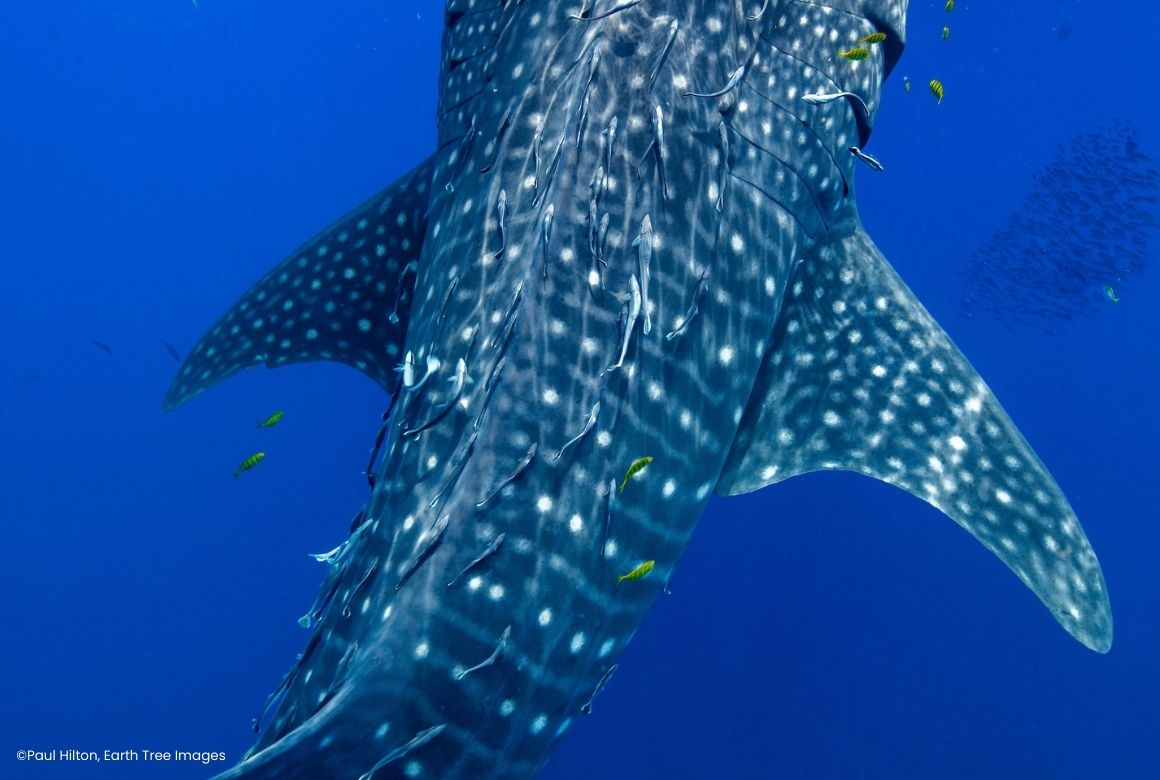
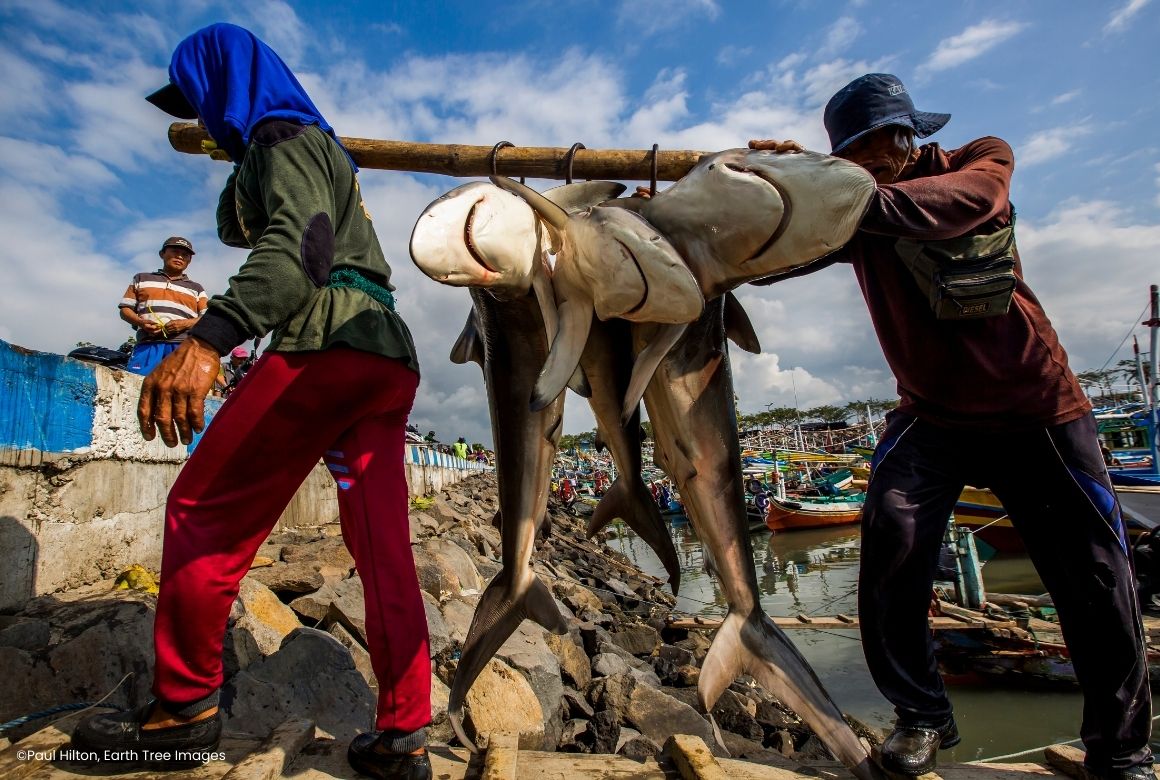
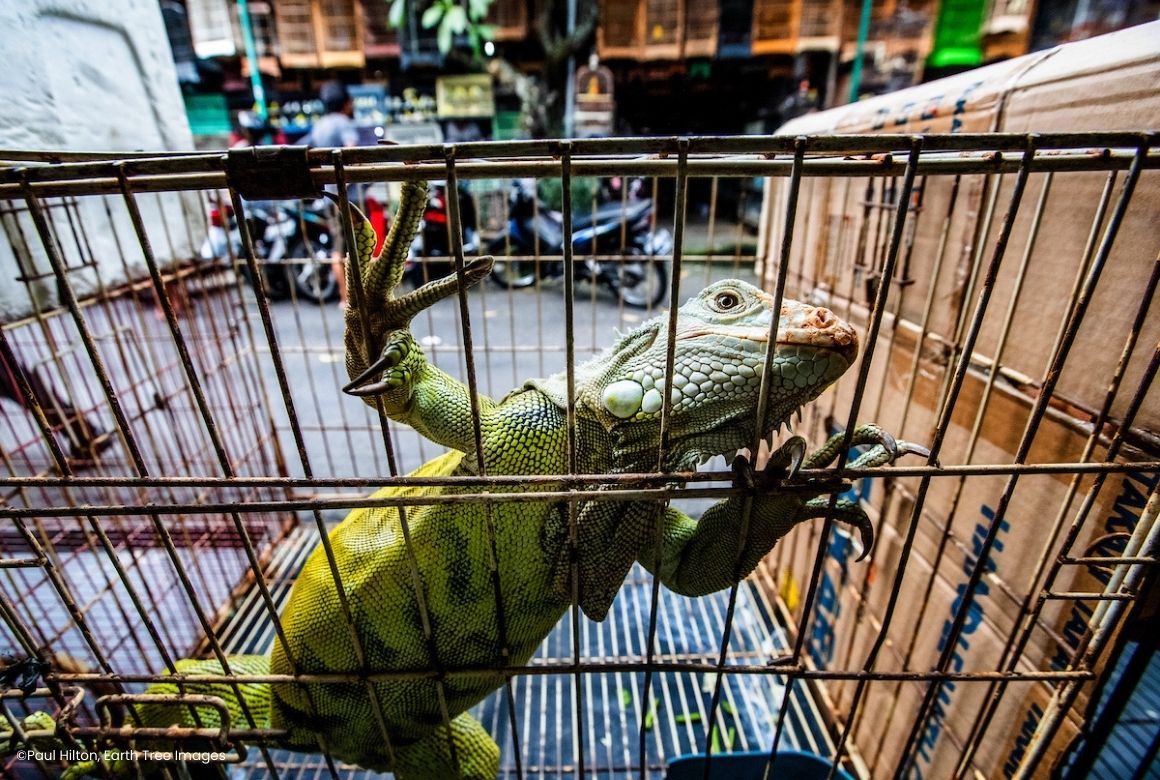
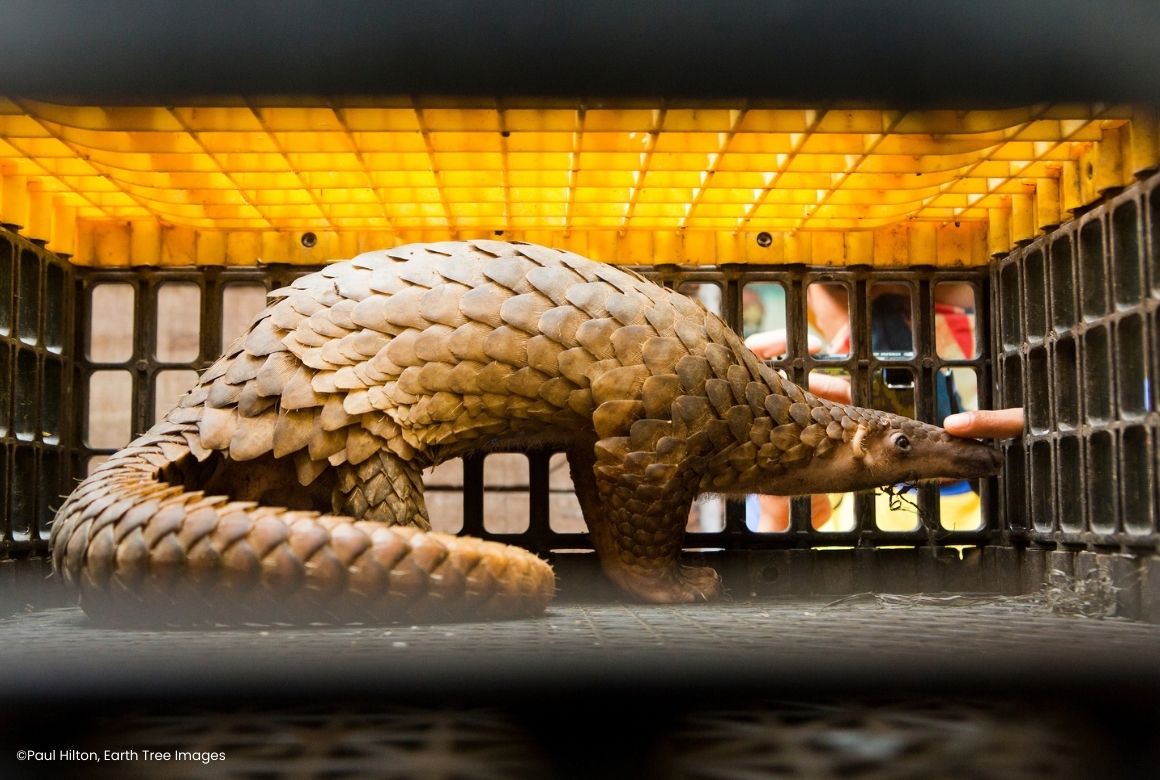
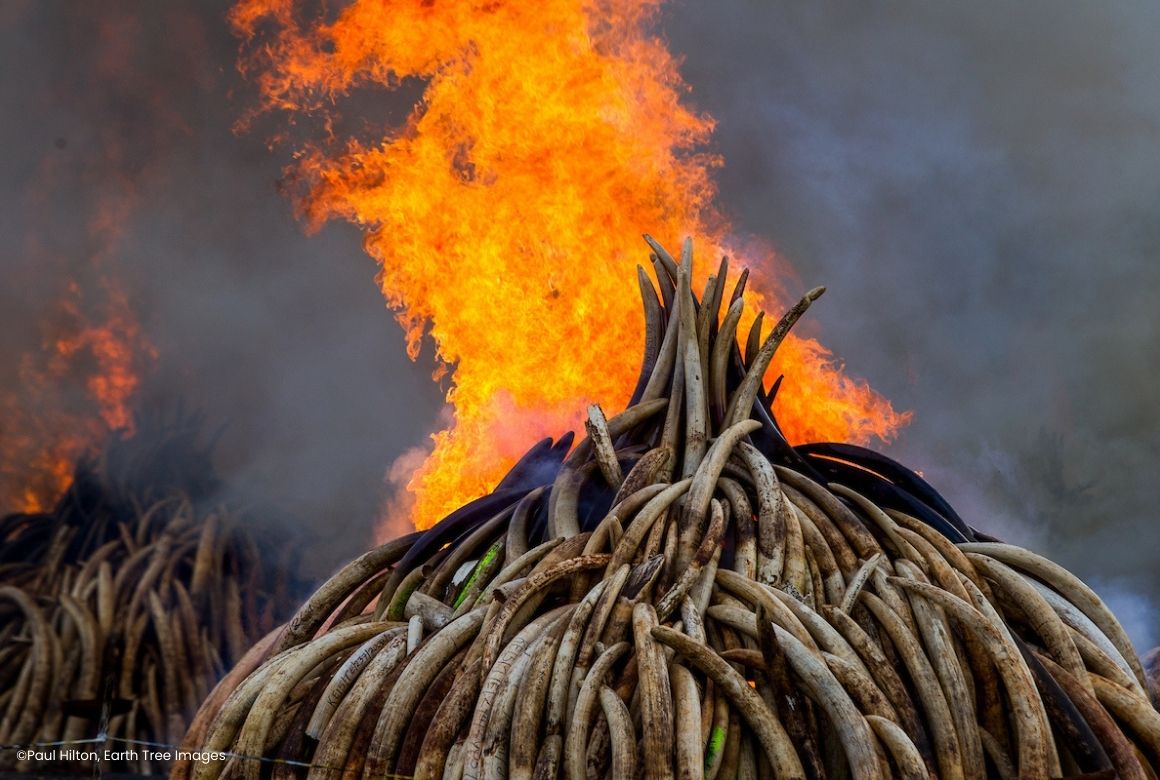
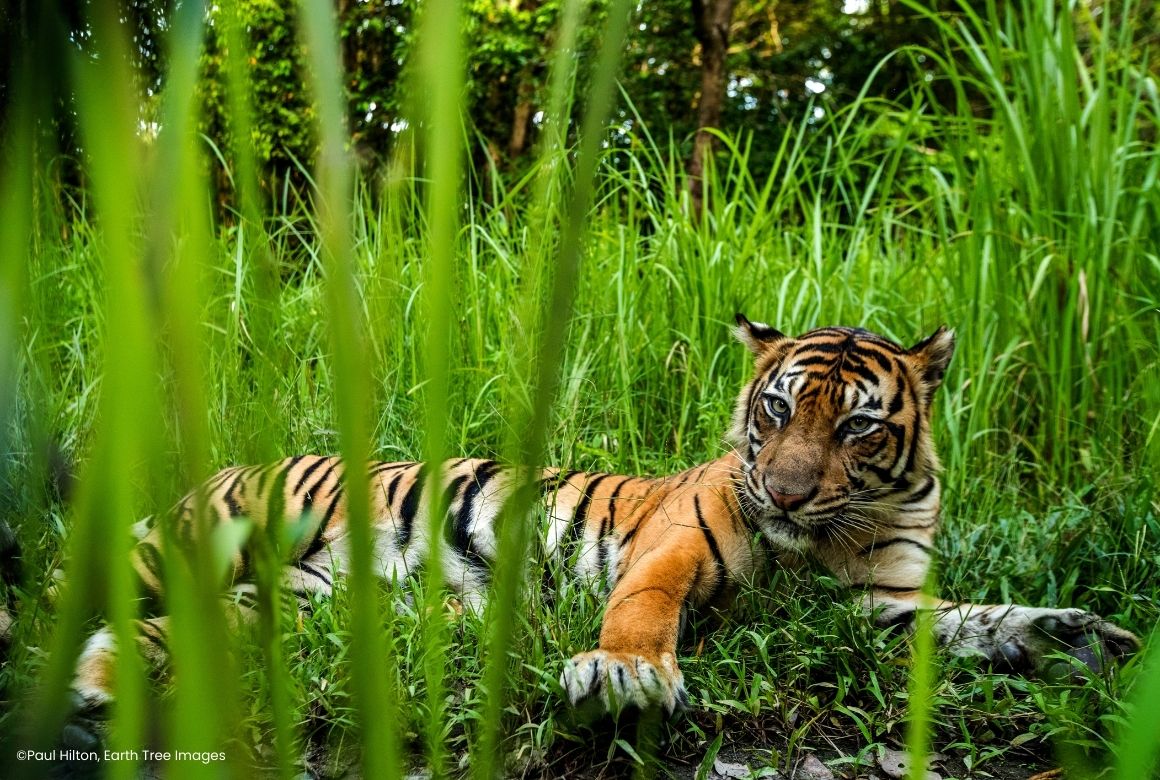
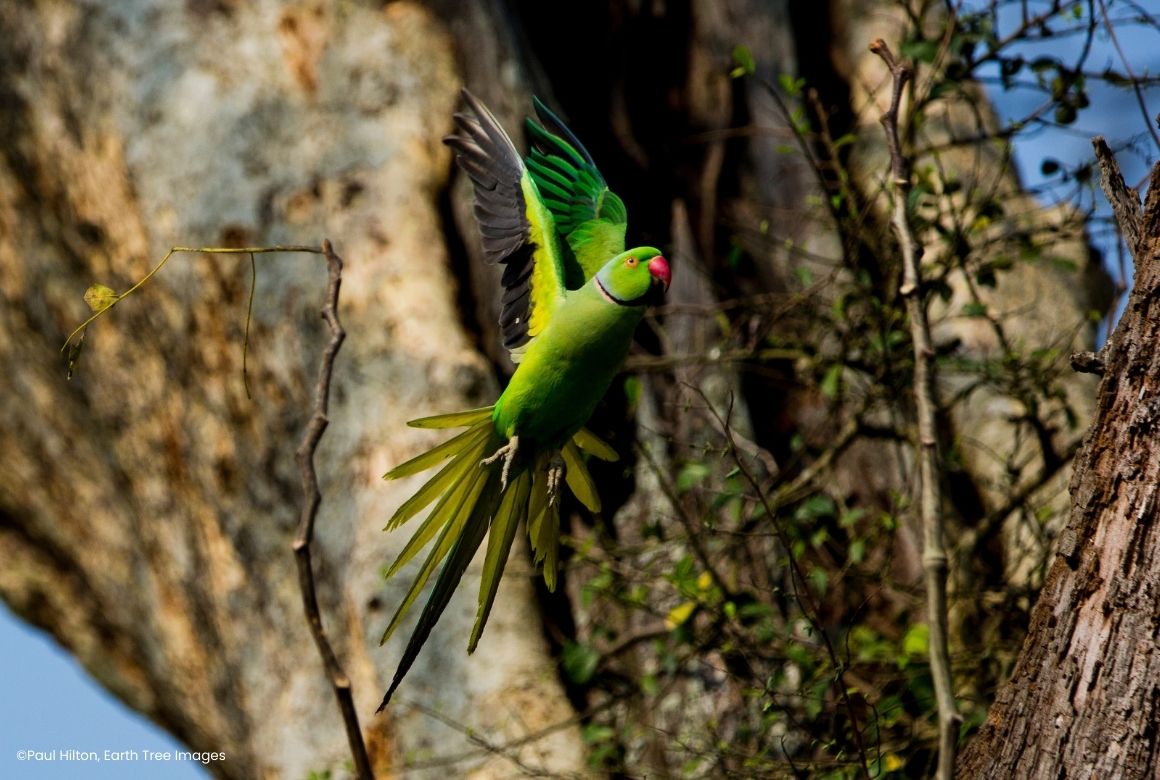
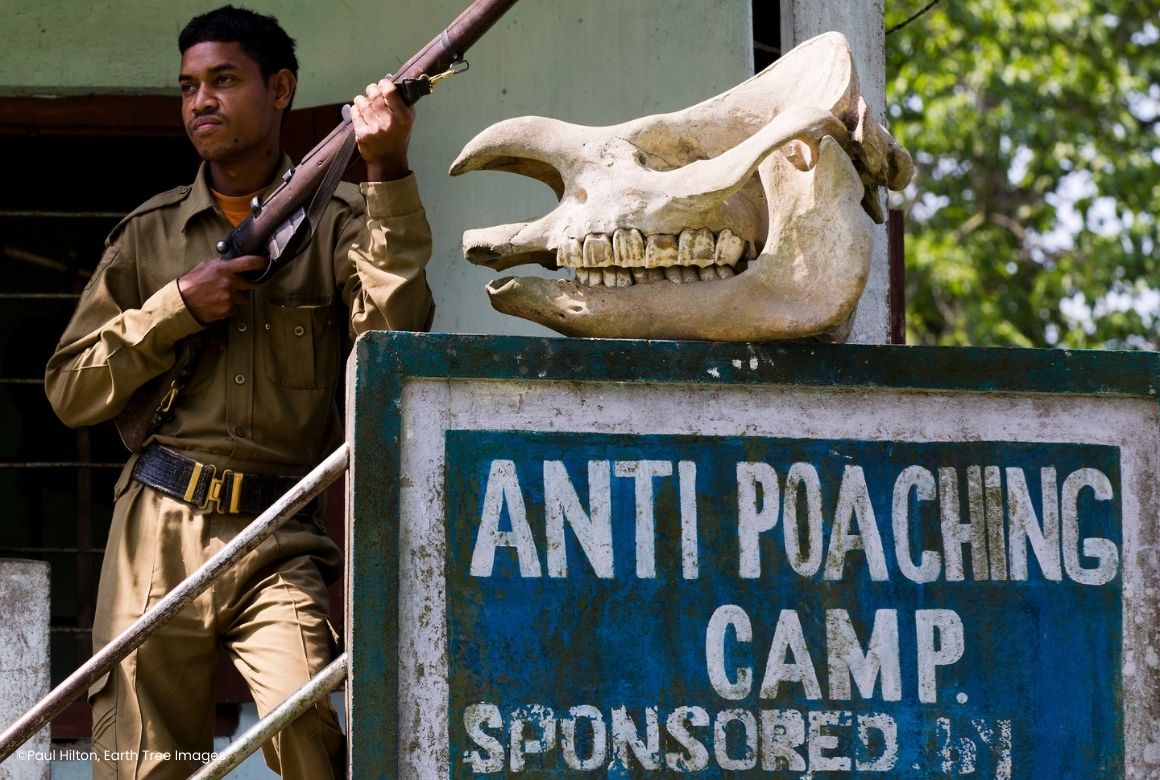
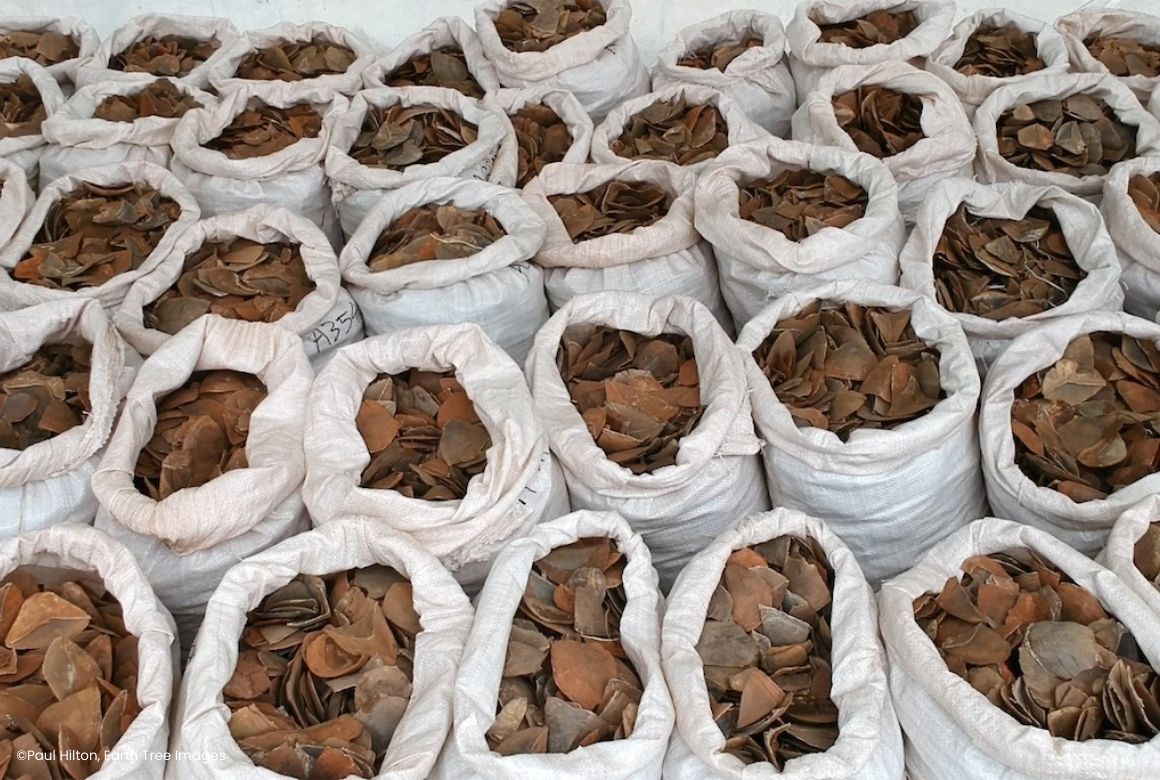
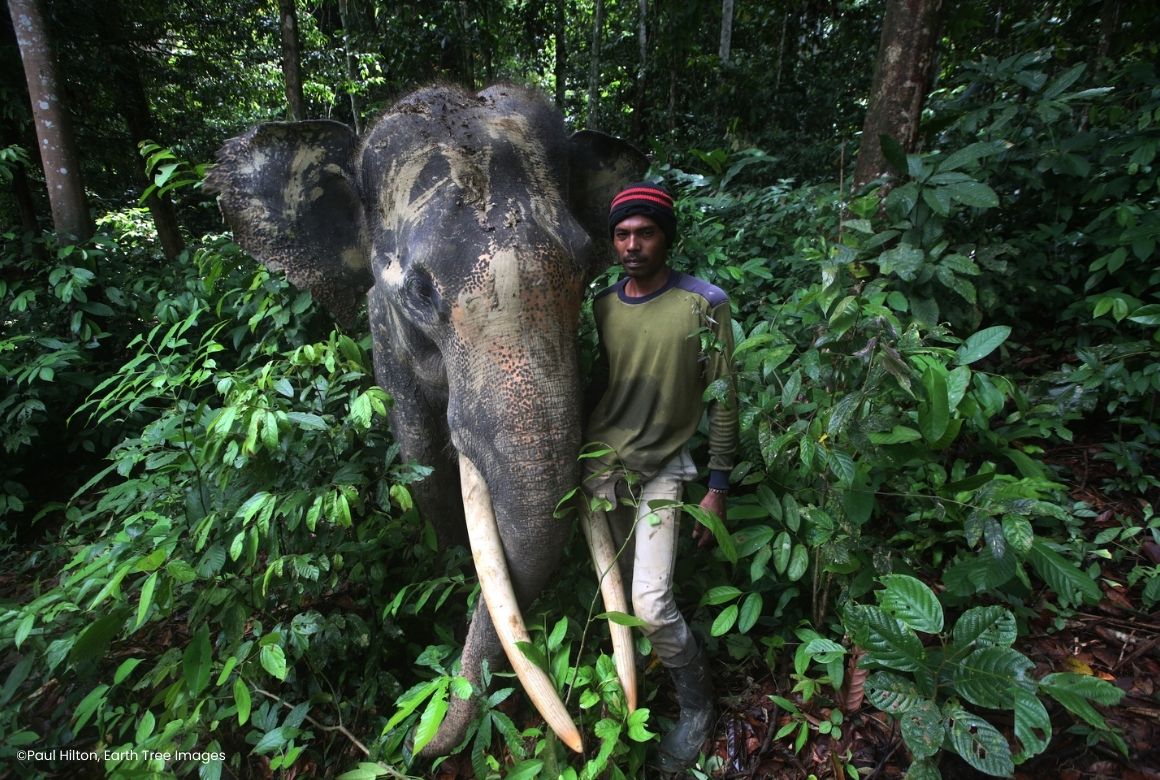
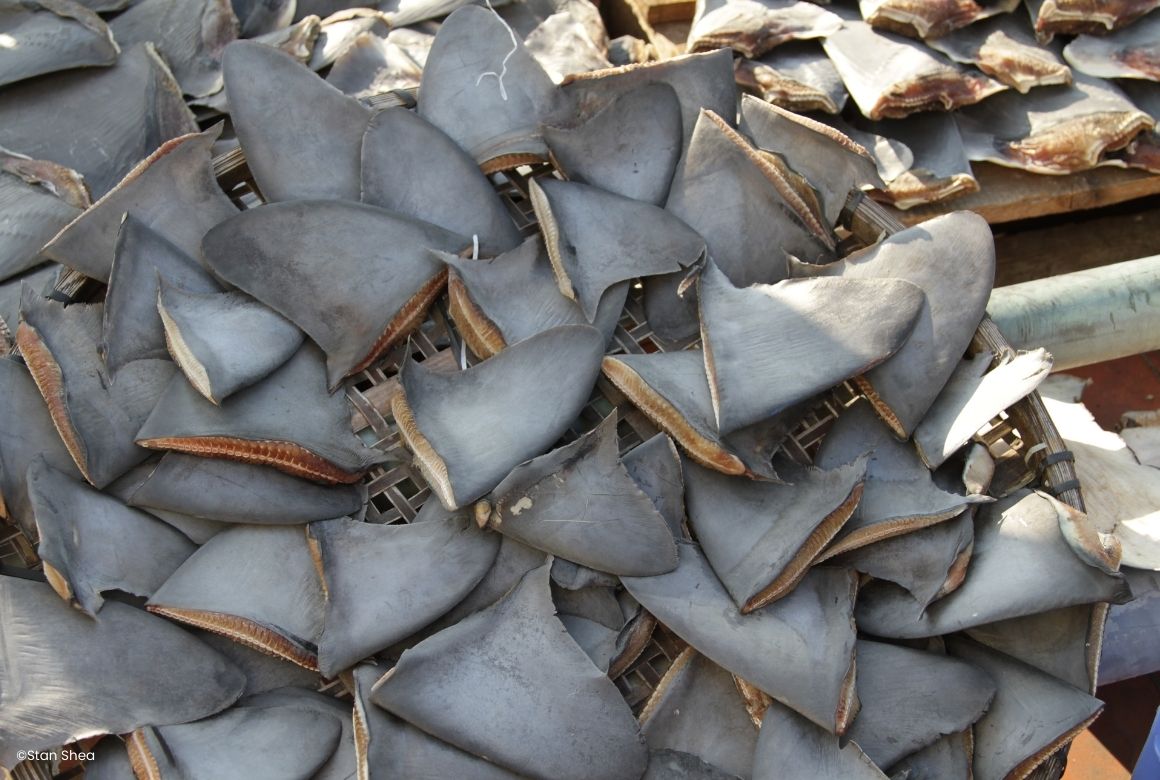
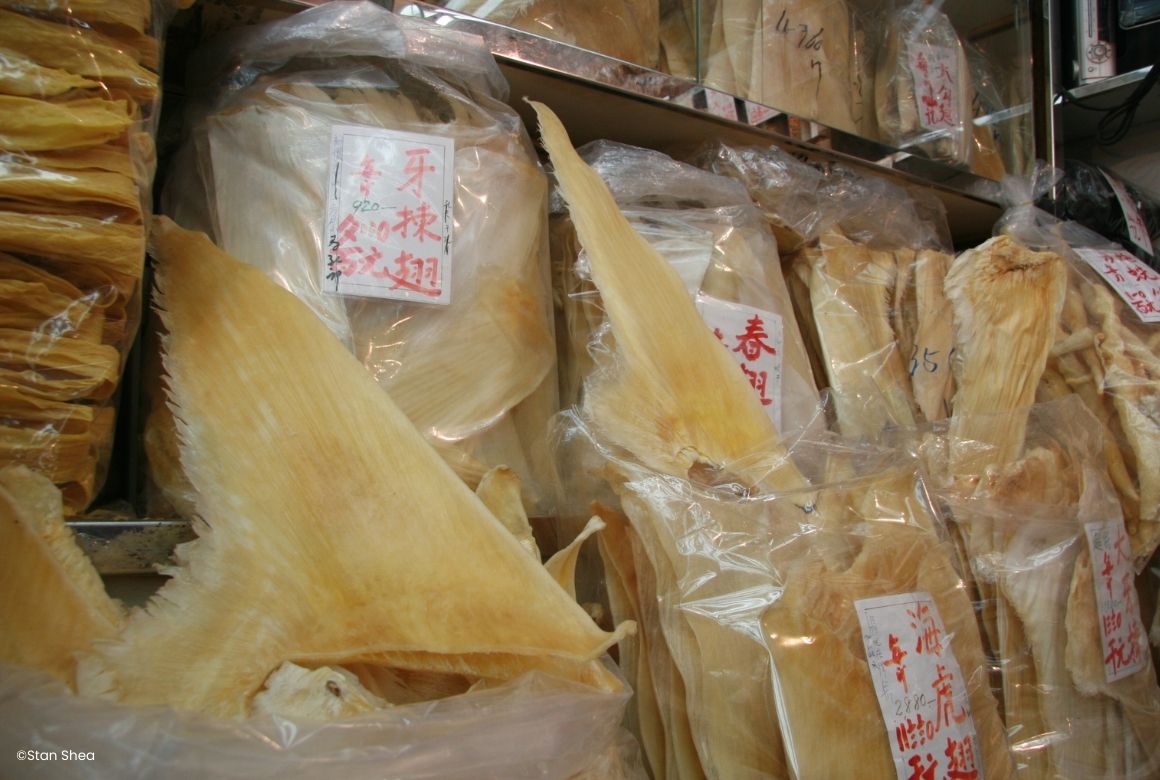
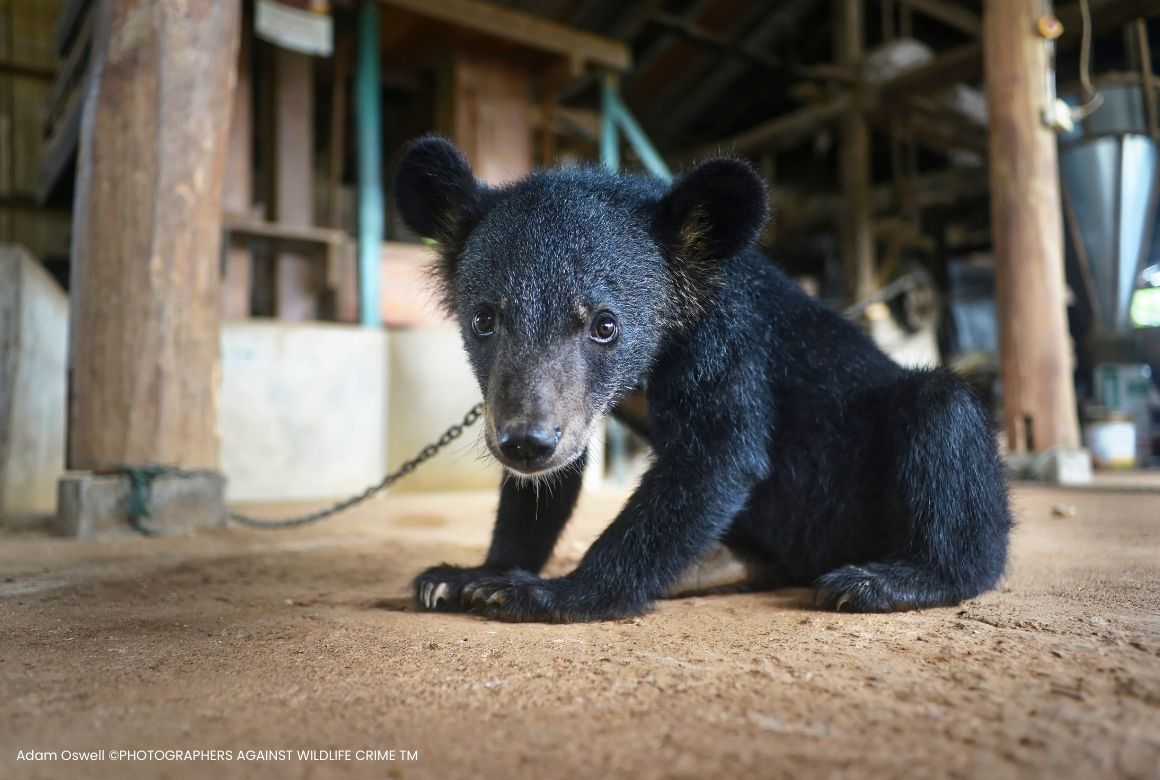
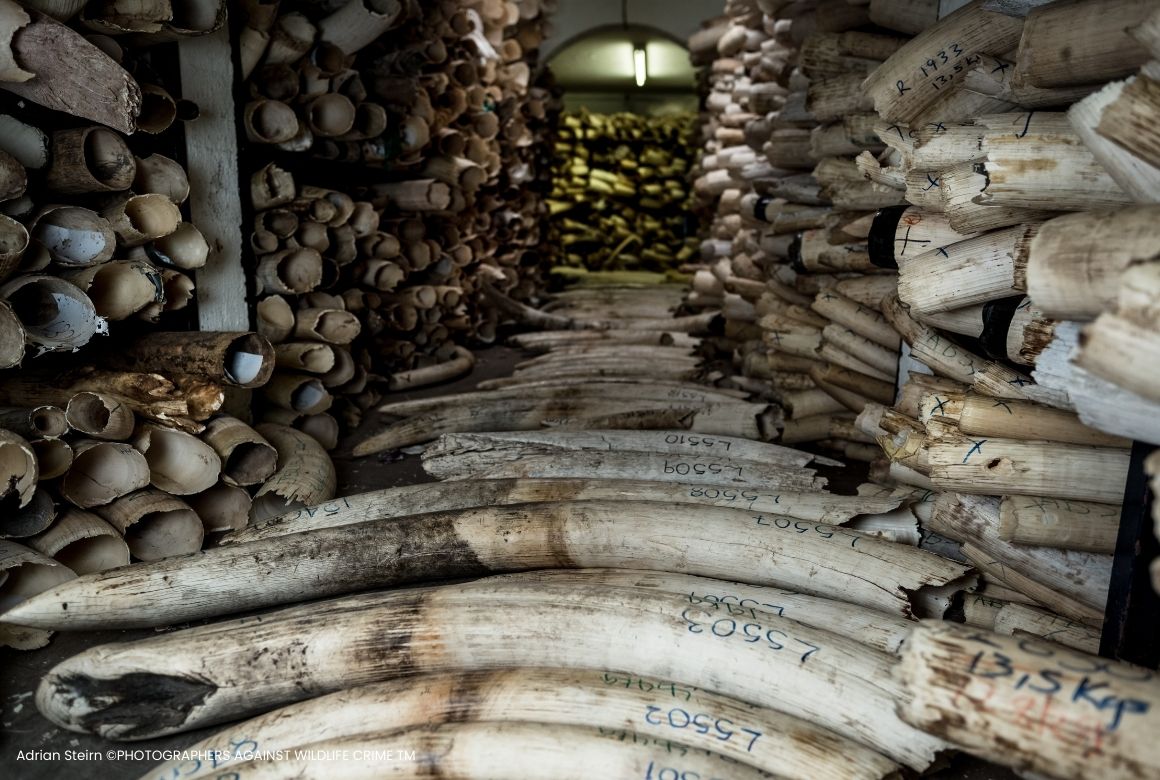
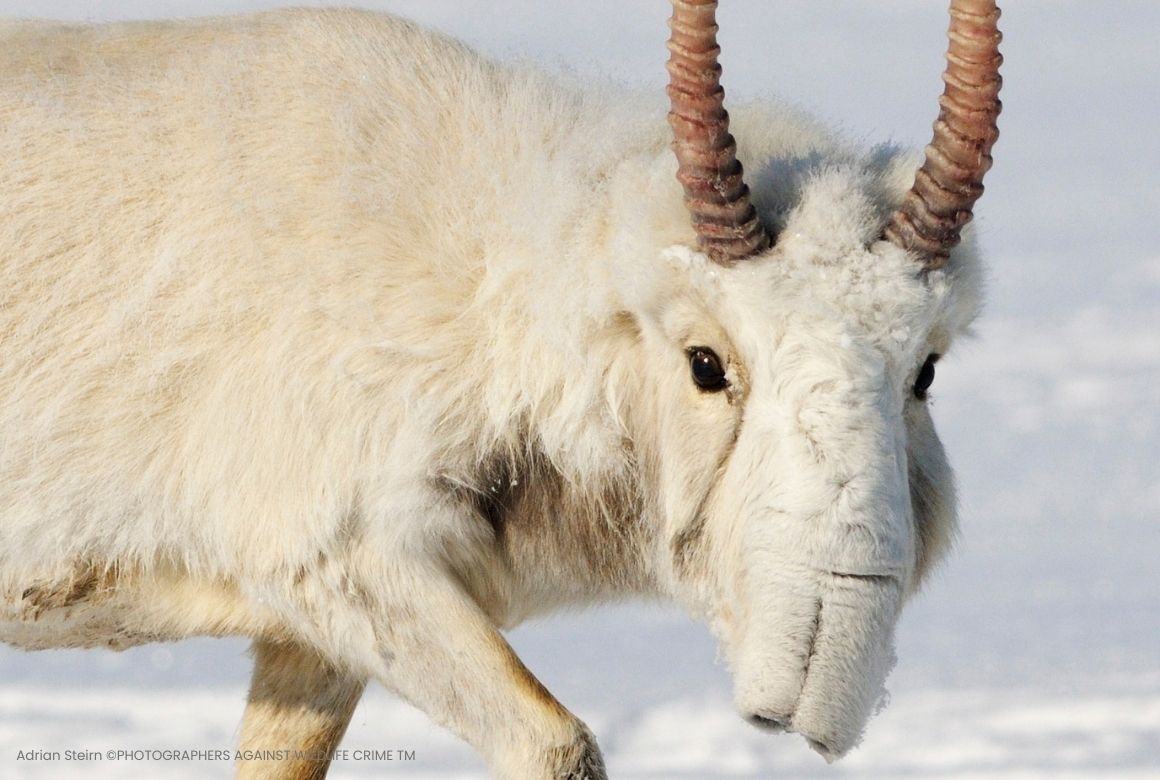
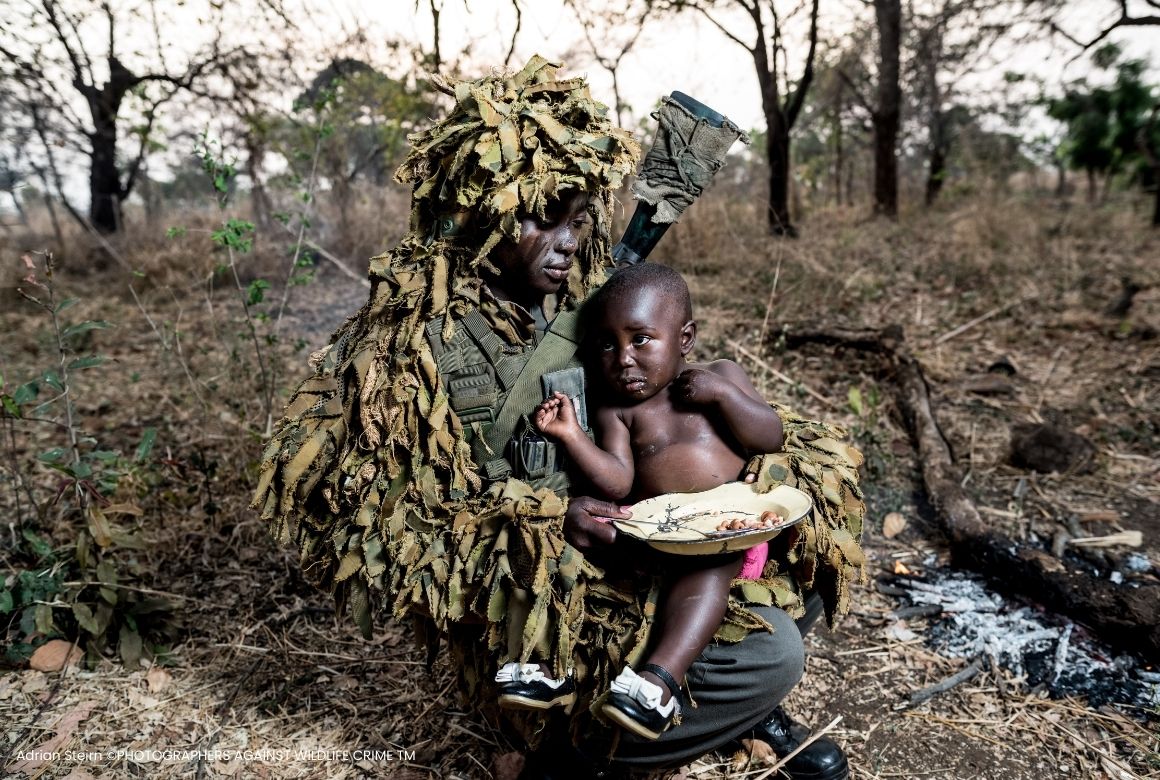
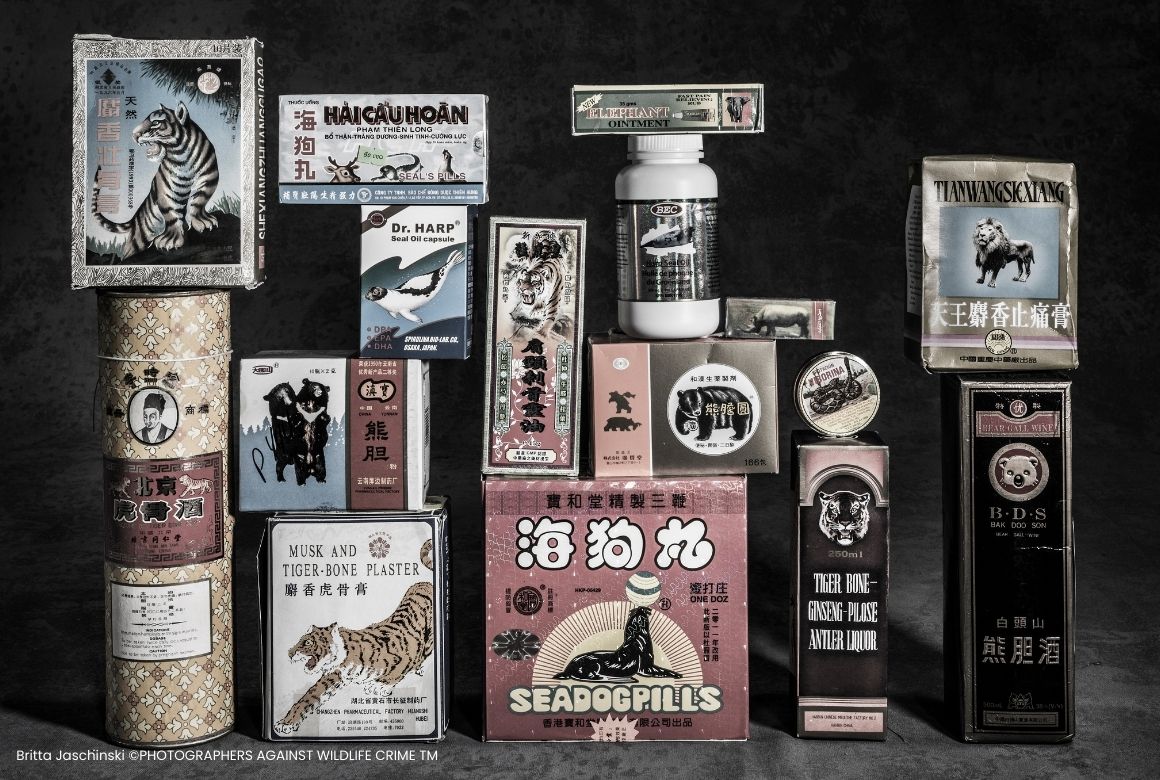
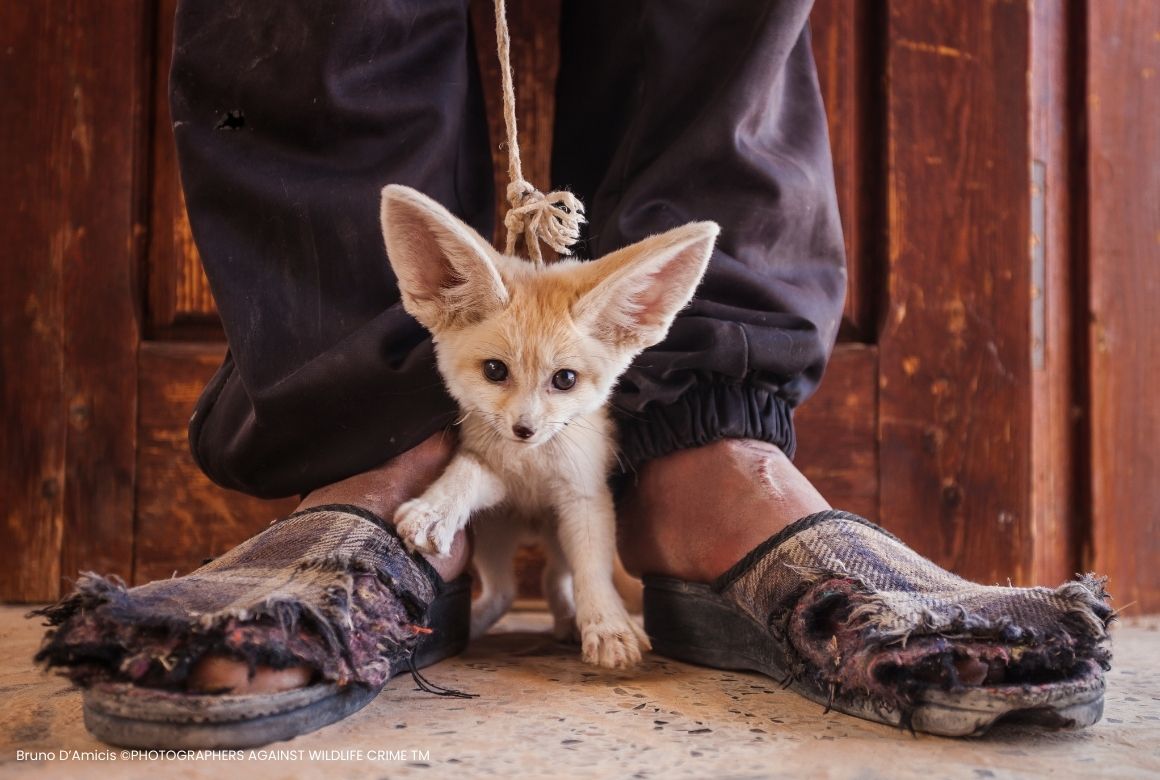
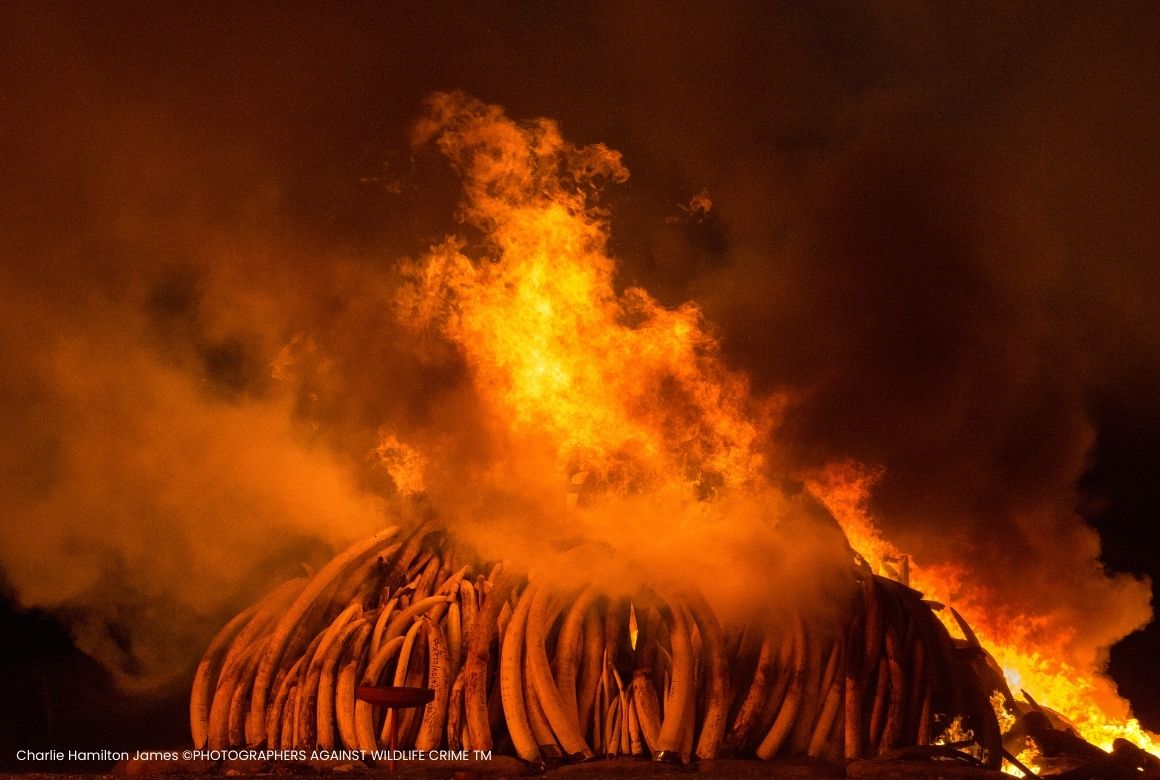
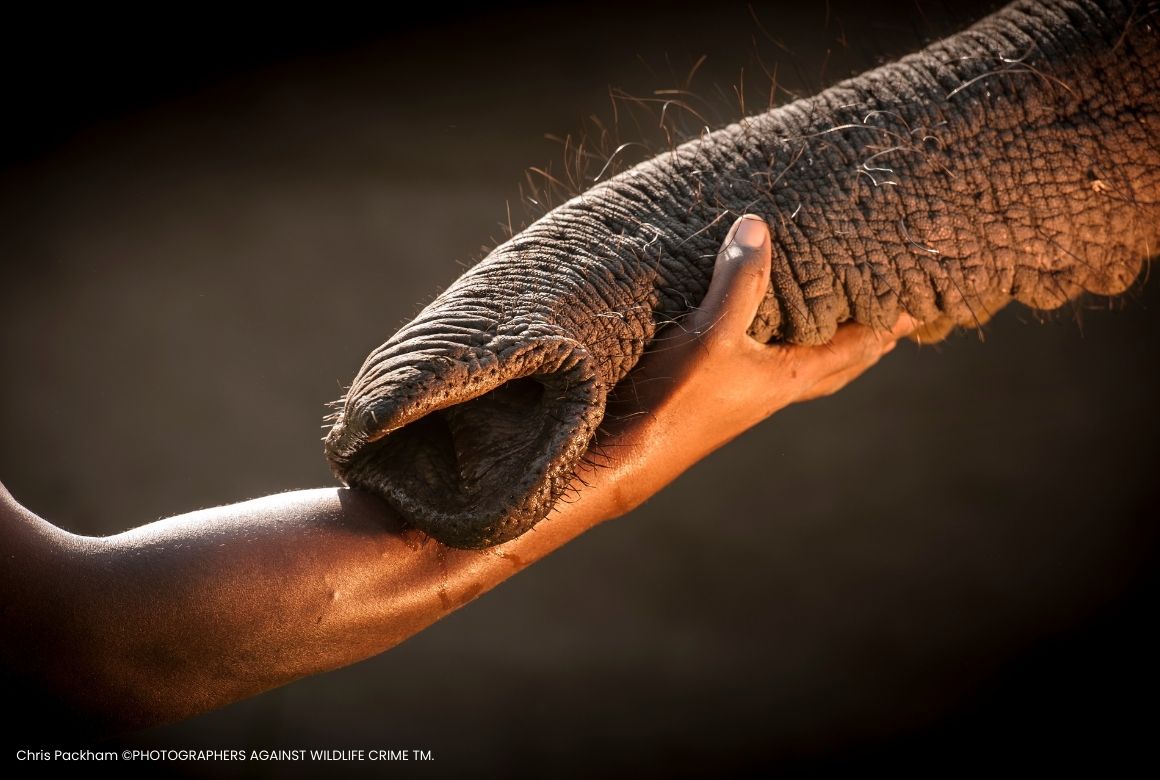
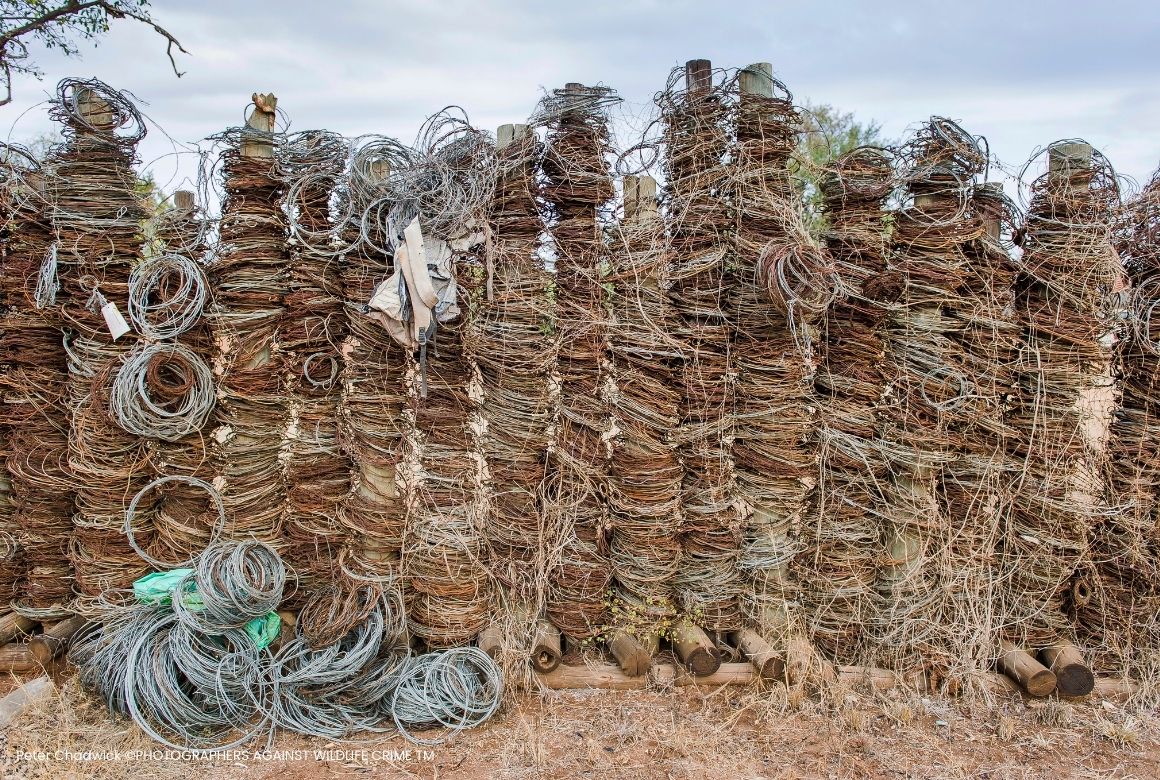
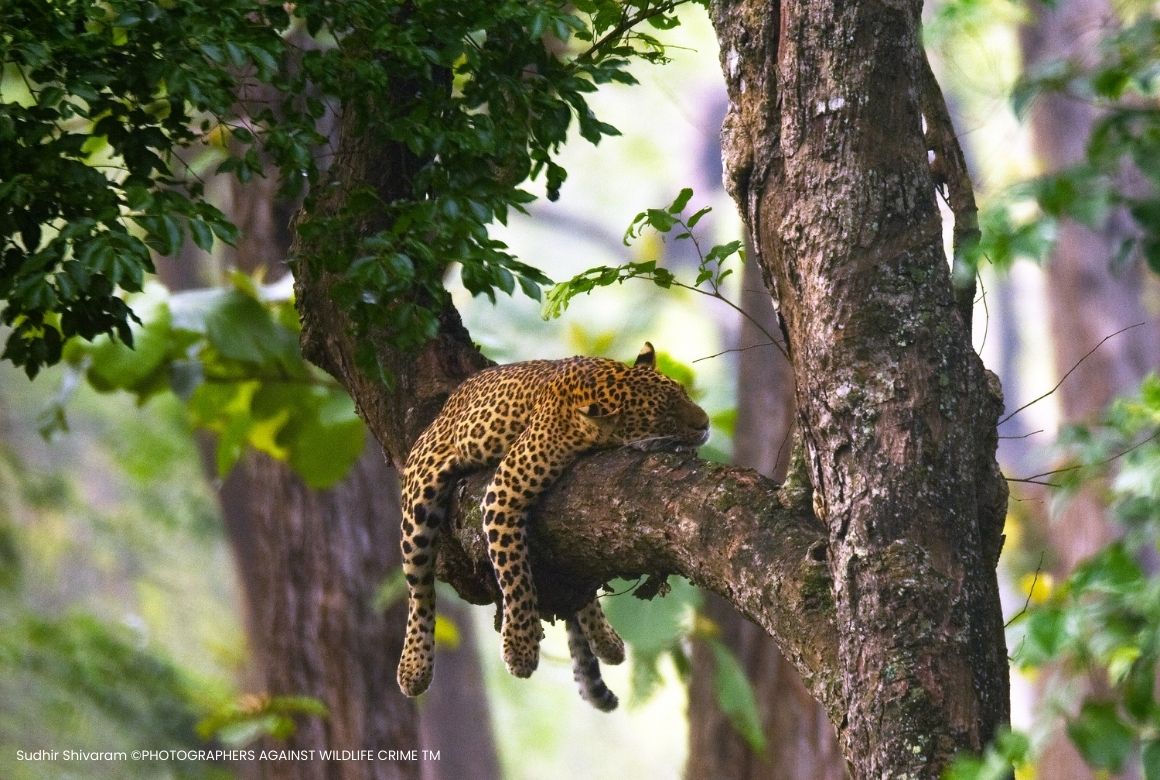
Photographers and photojournalists document the wildlife trade, wildlife crime and biodiversity loss—providing compelling images that inform and raise awareness. Browse our gallery and learn more below.