
Hong Kong shark fin seizures indicate urgent need for CITES uplisting of shark species
There has been a marked uptick in Hong Kong shark fin seizures in the last two years, despite a continued downward trend in imports. Small fins under the size of 10cm have also been showing up in large numbers at local markets, indicating potential obstacles in the enforcement of trade regulations.
Ahead of the 20th Conference of the Parties (CoP20) which kicks off on November 24 in Uzbekistan, proposals are on the table to elevate two commercially-traded shark species to CITES Appendix I. This listing is the highest level of control reserved for species considered at the brink of extinction. Inclusion in the list essentially means a ban on trade of such species. While their current lower listing in Appendix II initially showed signs of helping to curb trade in Hong Kong, recent data indicates that the detrimental fin economy is still very much alive as shark populations continue to suffer.
Sharks on the brink

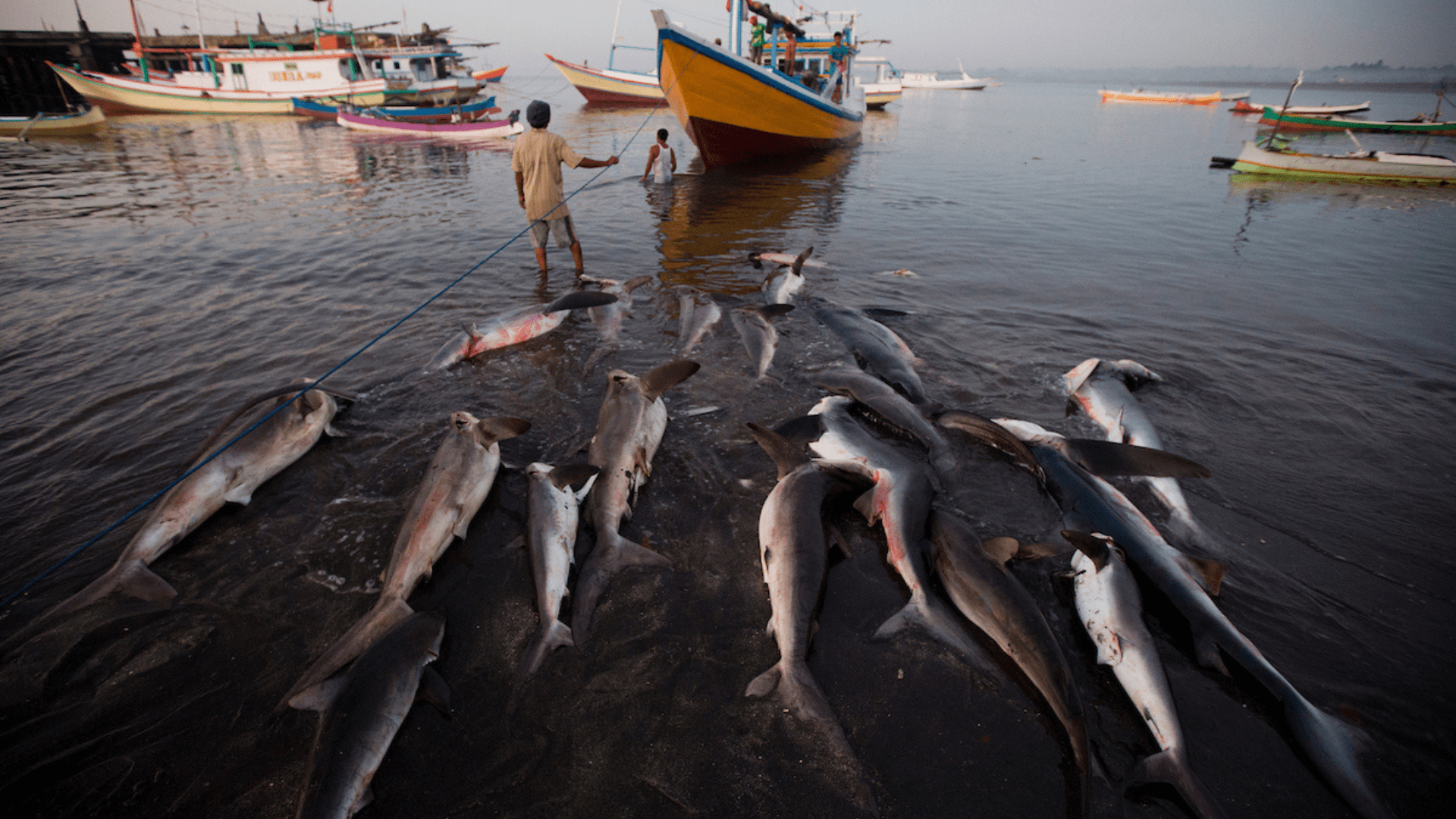
Sharks are severely overexploited for both their meat and fins, while they are also one of the most vulnerable marine animals susceptible to bycatch. The highly prized fins are still in major demand in East Asia, leading to unsustainable fishing and trading practices. Estimates suggest that between 63 million and 273 million sharks are killed globally each year, with the true figure likely around 100 million.
The ecological consequences of such losses are stark. Since 1970, populations of oceanic sharks and rays have declined by approximately 71%, largely due to an eighteen-fold increase in fishing pressure. As apex predators, sharks regulate prey populations and maintain balance across marine food webs. Their depletion has triggered trophic cascades, with knock-on effects for fisheries, biodiversity and even human health in some regions.
One example of this is in False Bay, South Africa, where the loss of great white sharks (Carcharodon carcharias) as the apex predator has led to an abundance of seals and sevengill sharks. This in turn has caused a decline in the small fish these species prey upon. The wider implications fall on the fishermen who target these small fish, and on the tourist industry that relies on sightings of great white sharks for its income.
Regulating a shark fin capital
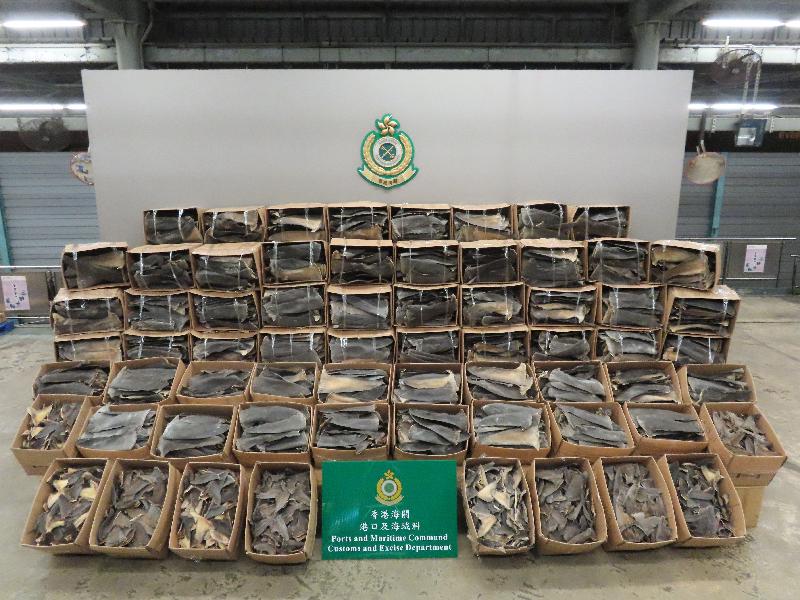
Hong Kong has long been recognised as the world’s largest trading hub for shark fins, handling around 50% of global imports from over 120 countries and territories. Imported fins typically arrive unprocessed with the skin on, and are then processed in Hong Kong before being re-exported to markets such as Mainland China, Taiwan and Vietnam.
In December 2023, the city updated its regulations to incorporate two entire major shark families—requiem (Carcharhinidae) and hammerhead (Sphyrnidae)—into its controlled species list, aligning domestic law with amendments to CITES. This move brought over 90% of the fins in trade under regulation. The majority of shark species are listed on Appendix II of CITES, which means proof from the exporter is required showing exports are not detrimental to wild populations (a “non-detriment finding” or NDF must be provided). The government of the exporting country then issues an export permit on the basis of the NDF, which is what Hong Kong needs to provide legitimacy for its imports. A listing under Appendix I, however, would ban all commercial international trade in said species.
Read more about CITES-listed species directly sourced from Hong Kong’s dried shark fin market.
Rising seizures despite falling imports
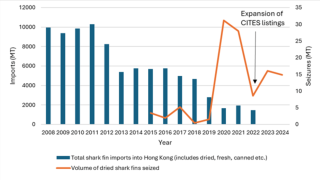
Hong Kong shark fin seizures have increased in recent years, despite overall import volumes declining (Figure 1). For instance, in May 2020, customs intercepted 26 tonnes of fins in shipments from Ecuador. More recently, in January 2024, officials discovered 7.9 tonnes of dried shark fins on board a fishing vessel in Hong Kong waters.
Several factors may help explain this apparent contradiction. Improved detection technology and training have made customs officers more adept at recognising fins from protected species, meaning illegal fins are more likely to be intercepted at the border. In addition, intelligence-led profiling has enhanced the ability to flag suspicious shipments as they enter Hong Kong.
The expansion of CITES listings outlined above has also reduced loopholes by bringing the majority of species in the trade under regulation and thereby leaving smugglers with fewer opportunities to conceal illicit cargo, making it more likely they will be caught.
However, it is also possible that the illegal activity itself is increasing. Seizures usually represent only a fraction of total contraband, so a rise in interceptions could reflect broader growth in black-market trade. In reality, the trend is likely driven by a combination of these factors.
A path forward through CITES
While CITES Appendix II listings have been a significant step in curbing unsustainable trade, they have not prevented alarming population declines in high-risk species such as whale sharks and oceanic whitetip sharks. In many countries, enforcement can be patchy and ineffective.
Attention is now turning to CoP20 in Uzbekistan at the end of this year. Proposals are on the table to elevate oceanic whitetips and whale sharks to Appendix I as their current Appendix II listing is proving insufficient in preventing alarming population declines. It is hoped that an Appendix I listing will help stabilise global populations in these species.
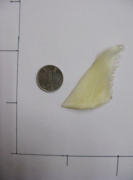
Other overlooked categories are also coming under scrutiny. Recent surveys of Hong Kong markets have revealed large numbers of small fins under 10cm (Figure 2), large volumes of which have been included in the seizures tracked in Figure 1. These fins are too small for customs to be able to visually identify and so they must rely on DNA testing. Through such testing, both juveniles of larger, CITES-listed species such as hammerheads and smaller coastal shark species that have not fallen under regulation have been identified.
These smaller shark species are being proposed for listing under Appendix II. If adopted, these new listings could bring almost all of the global fin trade under CITES oversight. This would be an excellent step in the right direction for the conservation of these species. Learning from whale sharks and oceanic whitetip sharks, however, it is also imperative that if these smaller species are listed, governments use the opportunity to ramp up enforcement to ensure these species never have to be moved to Appendix I, thereby banning their international trade. Given its importance in global trade, Hong Kong can take the lead.

Latest Updates


